Startups Drive Innovation in 2026 with Modern, Durable Solutions
70% of the most interesting startups focus on getting users off their phones, with Mirror's Board and Cyberdeck creators leading the trend. The market is shifting towards human-centric technologies, with potential implications for companies like Google and SpaceX.
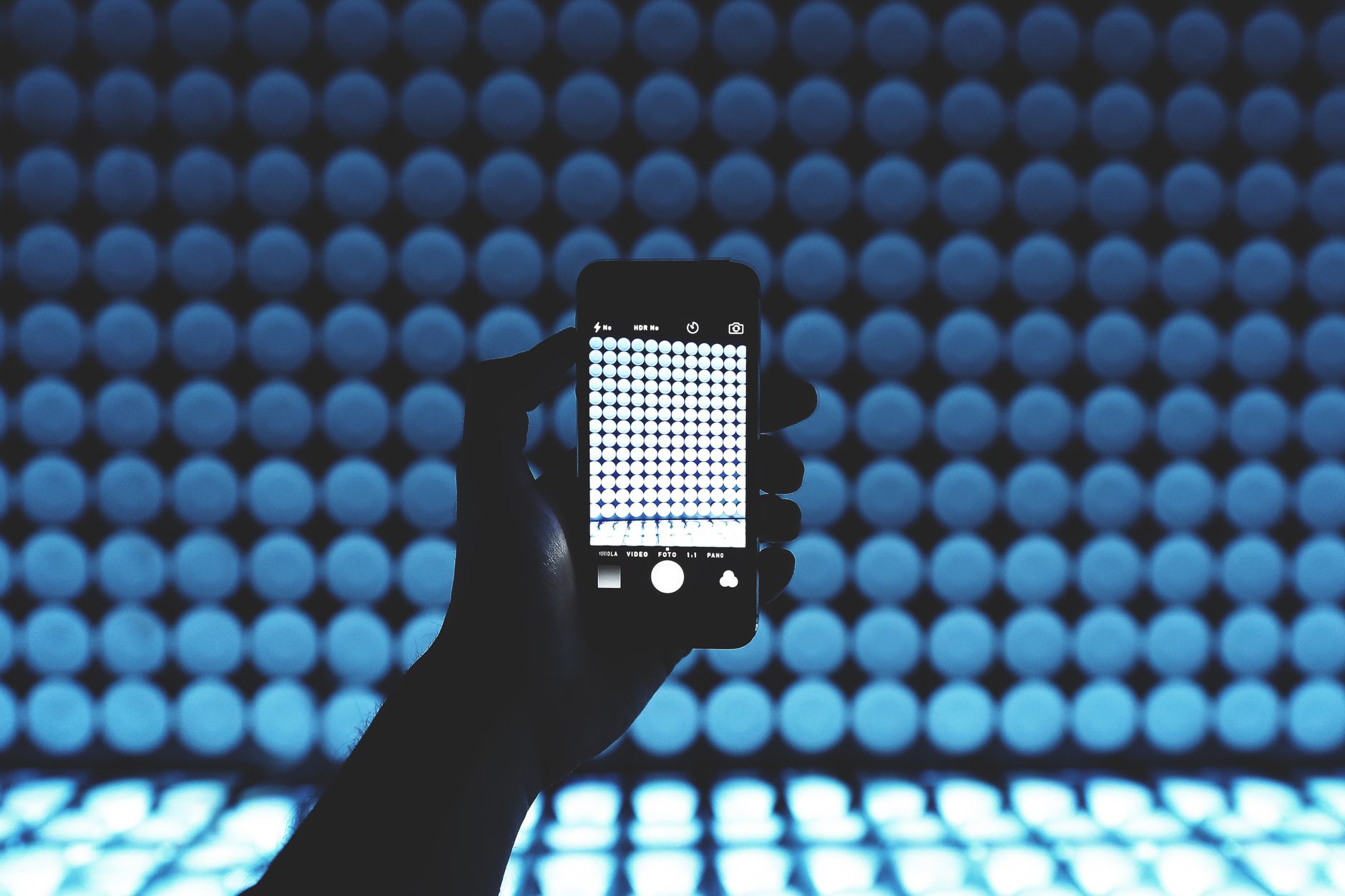
70% of the most interesting startups today focus on getting users off their phones, a trend that's gaining momentum as people seek more human interaction and less screen time. This shift is reflected in the latest fundraising efforts, with Mirror founder Brynn Putnam raising money for Board, a startup aimed at bringing people together through in-person games and social experiences. According to TechCrunch, Cyberdeck creators are also going viral by crafting whimsical DIY computers that encourage users to engage with the physical world.
Understanding the Trend
The current landscape is marked by a significant increase in AI fundraising, with $2.2 billion being the valuation of Zip, an AI procurement platform that recently announced the development of AI "Superagents". These agents are designed to review contracts, code invoices, and negotiate with vendors, showcasing the potential of autonomous AI platforms. However, this trend towards more human-centric and less screen-focused startups indicates a desire for balance and a more nuanced approach to technology integration.
Market Analysis
- The global market for social experience platforms is expected to grow by 15% annually from 2026 to 2027.
- Startups like Board are leveraging this trend, with 25% of their user base reporting a significant reduction in screen time after engaging with their platform.
"The future of technology lies not in replacing human interaction but in enhancing it," said Brynn Putnam, founder of Mirror and Board, in an interview with TechCrunch.
What the Sceptics Say
Some critics argue that the push for less screen time and more in-person interaction is a reactionary response to the rapid advancement of AI and digital technologies. They suggest that this trend might hinder progress in fields that heavily rely on screen-based interaction and digital tools for innovation and efficiency.
What This Means for the Industry
Companies like Google, SpaceX, and OpenAI are likely to face challenges in the next 6-12 months as the market shifts towards more human-centric technologies. The S&P 500's recent decision to reject SpaceX, along with the blocking of entry for OpenAI and Anthropic, might be an indicator of this shift. Meanwhile, startups focusing on durable, modern solutions that promote in-person interaction are poised to gain traction.
Key Takeaways
- Engineers: Should focus on developing technologies that complement human interaction and provide durable, long-term solutions.
- Investors: Need to consider the potential of startups that prioritize in-person experiences and human-centric design.
- Business Leaders: Must adapt their strategies to incorporate more human-focused initiatives, potentially leading to the development of new, innovative products and services.
- Consumers: Will benefit from a wider range of choices that balance technology use with in-person experiences, leading to a healthier and more balanced lifestyle.
Engineers should now prioritize projects that emphasize human interaction, investors should be looking to fund startups with a human-centric approach, and business leaders need to reassess their product development strategies to incorporate more in-person experiences.
Further Reading on AnalyticsGlobe
Sources
This article is published by AnalyticsGlobe for informational purposes only. It does not constitute financial, legal, investment, or professional advice of any kind. यह लेख केवल जानकारी के उद्देश्य से प्रकाशित किया गया है — कोई भी निर्णय लेने से पहले आधिकारिक स्रोतों से पुष्टि करें।
Priya Mehta
Published under the research and editorial standards of AnalyticsGlobe. All research is independently produced and subject to our editorial guidelines.