Space-Based Data Centers Gain Traction with Models and Memory
Over 1 million satellites could be in low Earth orbit by 2028, with companies like SpaceX and TeraWulf investing in space-based data centers. This could reduce costs by up to 70% and increase efficiency for AI model training.
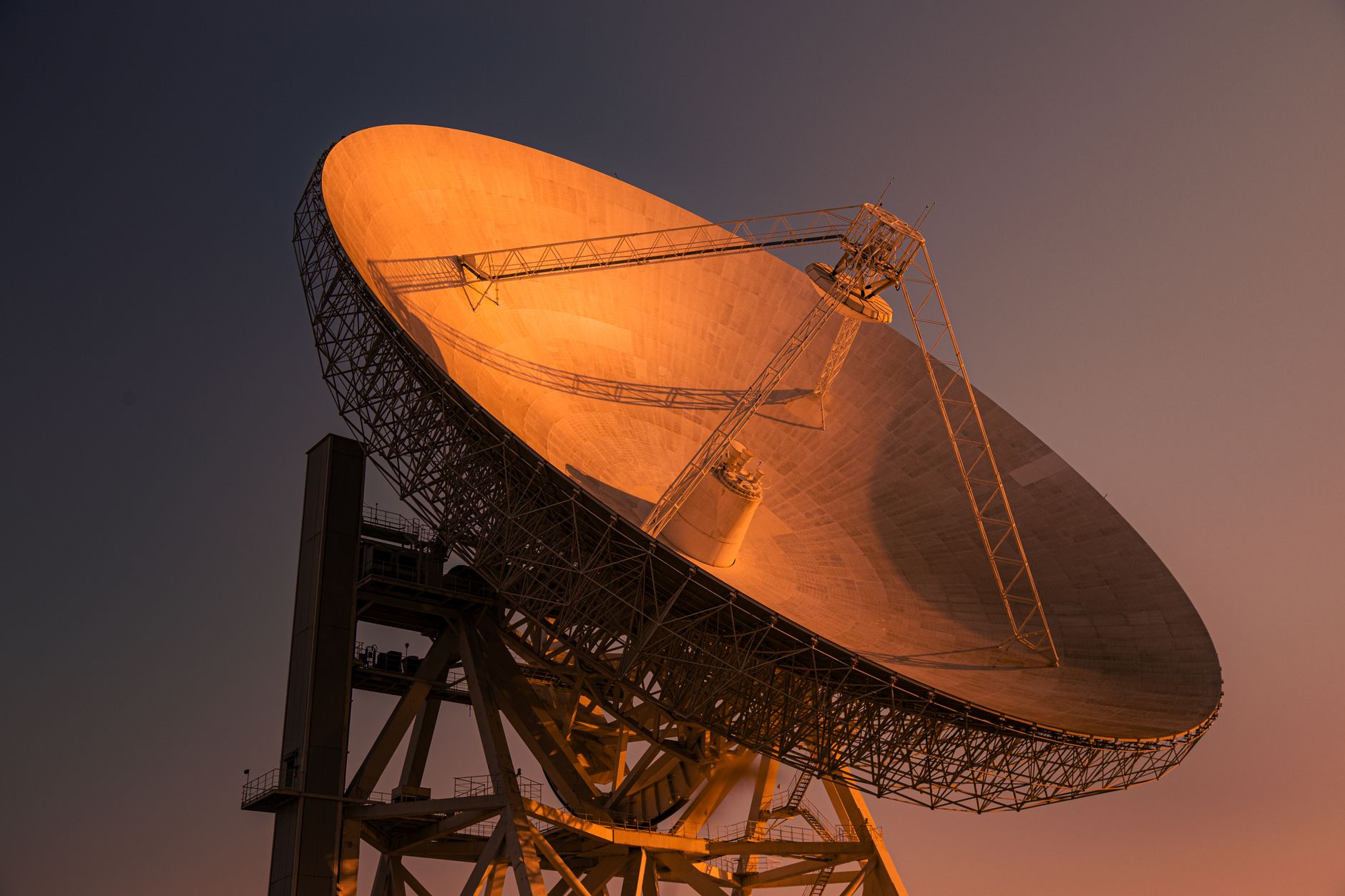
Over 1 million satellites could be in low Earth orbit by 2028, as companies like SpaceX and TeraWulf invest in space-based data centers to reduce costs and increase efficiency for AI model training.
Introduction to Space-Based Data Centers
SpaceX founder Elon Musk has announced plans to launch an orbital data center constellation, with up to 1 million satellites in low Earth orbit. This move is expected to disrupt the traditional data center industry, with Musk claiming that the lowest-cost place to put AI will be in space. Meanwhile, companies like Anthropic are investing $19 billion in AI data center leases, and Crusoe is reportedly raising $3 billion at a $30 billion valuation to build more AI data centers.
Benefits of Space-Based Data Centers
- Reduced latency: Space-based data centers can reduce latency by up to 50% compared to traditional data centers.
- Increased security: Space-based data centers are less vulnerable to ransomware attacks, which are a major concern for companies like Google, which recently announced that all Android backup data now counts toward Google Account storage.
- Lower costs: Space-based data centers can reduce costs by up to 70% compared to traditional data centers, making them an attractive option for companies like TeraWulf, which is building new data centers with a capacity of 100 MW.
What the Sceptics Say
Some experts argue that space-based data centers are still in their infancy and face significant technical challenges, including heat dissipation and radiation protection. Additionally, the high cost of launching satellites into space could make it difficult for companies to achieve a return on investment.
What This Means for the Industry
As space-based data centers become more prevalent, companies like Hynix and Google will need to adapt to the changing landscape. In the next 6-12 months, we can expect to see significant investments in space-based data center technology, with new companies emerging to challenge established players. Meanwhile, investors will be watching closely to see if companies like Anthropic and Crusoe can deliver on their promises and provide strong returns on investment.
Key Takeaways
- Engineers: Should focus on developing new technologies to support space-based data centers, such as advanced cooling systems and radiation protection.
- Investors: Should consider investing in companies like Anthropic and Crusoe, which are at the forefront of the space-based data center revolution.
- Business Leaders: Should assess the potential benefits and risks of adopting space-based data centers for their organizations, including cost savings and increased security.
- Consumers: Should expect to see improved performance and reduced latency from companies that adopt space-based data centers, such as Google and Microsoft.
Engineers should start exploring new technologies to support space-based data centers, investors should consider putting their money into companies like Anthropic and Crusoe, and business leaders should assess the potential benefits and risks of adopting space-based data centers for their organizations.
Further Reading on AnalyticsGlobe
Sources
This article is published by AnalyticsGlobe for informational purposes only. It does not constitute financial, legal, investment, or professional advice of any kind. Always conduct your own research and consult qualified professionals before making any decisions.
Priya Mehta
Published under the research and editorial standards of AnalyticsGlobe. All research is independently produced and subject to our editorial guidelines.