Space-Based Data Centers Gain Momentum in 2026 with AI Development
SpaceX plans to launch 1 million satellites for space-based data centers, with the goal of providing a cost-effective alternative to traditional data centers, and companies like Crusoe Inc. are raising funds to support this development.
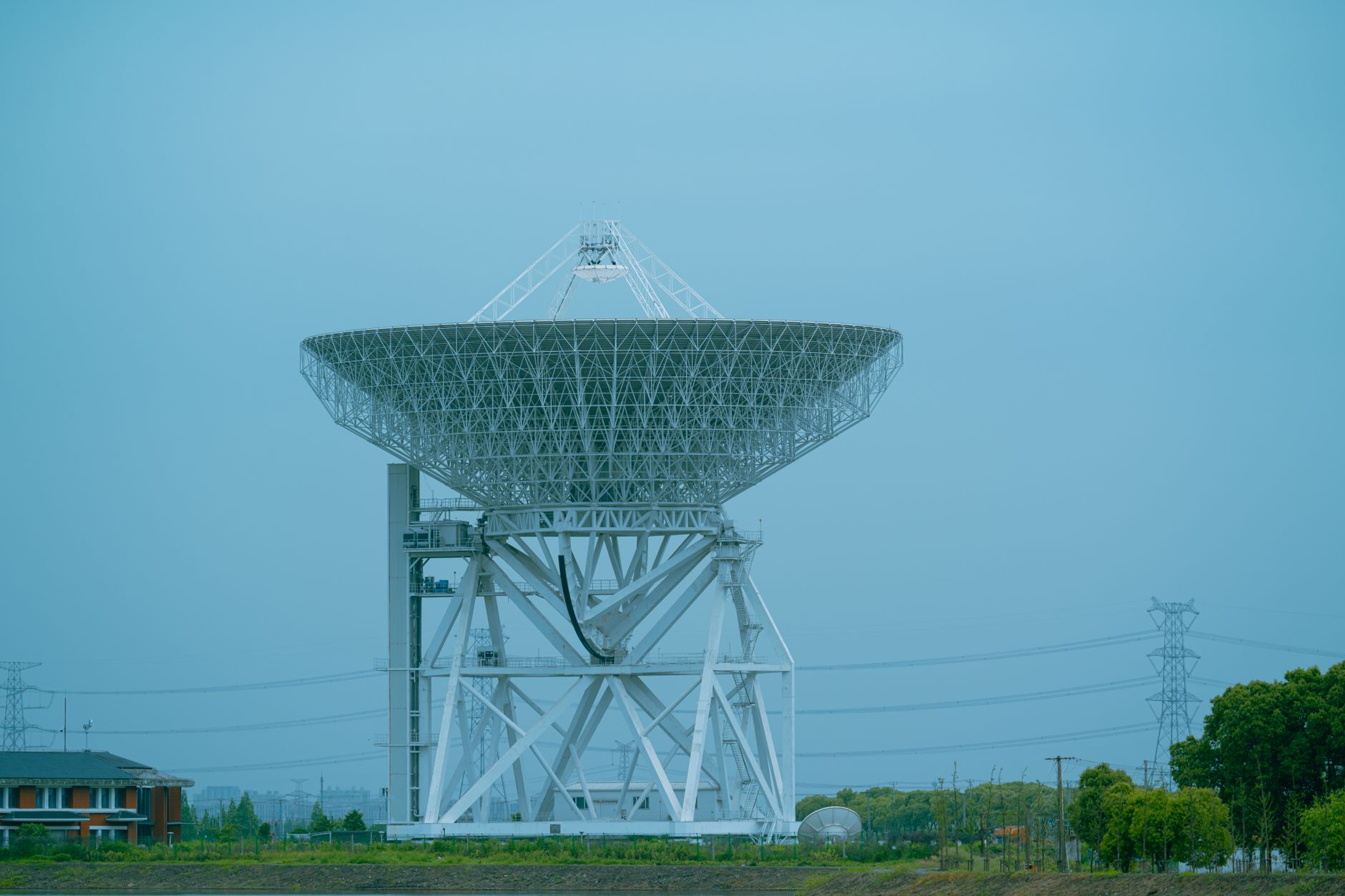
1 million satellites are planned for low Earth orbit to support space-based data centers, as announced by SpaceX, with the goal of providing a cost-effective alternative to traditional data centers.
Introduction to Space-Based Data Centers
SpaceX founder Elon Musk stated that the lowest-cost place to put AI will be in space, and this could become a reality within the next two to three years. This development is crucial, given the increasing demand for data storage and processing power. According to a report by MarketsandMarkets, the global data center market is expected to grow from $214.8 billion in 2022 to $343.6 billion by 2027, at a Compound Annual Growth Rate (CAGR) of 10.1% during the forecast period.
Related Developments in AI and Data Centers
- Data center builder Crusoe Inc. is reportedly raising a $3 billion funding round at a $30 billion valuation, as per a report by SiliconANGLE.
- Researchers have been working on improving the accuracy of 3D-printed metamaterials, which could lead to significant advancements in various fields, including data center development, as reported by TechXplore.
What the Sceptics Say
Some critics argue that the development of space-based data centers is still in its infancy and that the costs and technical challenges associated with launching and maintaining such infrastructure are significant. For instance, the cost of launching a single satellite into orbit can range from $50 million to $500 million, depending on the size and complexity of the satellite. Additionally, there are concerns about the environmental impact of space debris and the potential risks associated with the increased reliance on space-based infrastructure.
What This Means for the Industry
Companies like SpaceX, Amazon, and Google are likely to play a significant role in the development of space-based data centers. In the next 6-12 months, we can expect to see significant advancements in this field, with potential partnerships and collaborations between these companies and other industry players. For example, SpaceX's Starlink constellation could provide the necessary infrastructure for space-based data centers, while Amazon's experience in cloud computing could help drive the development of space-based data center services.
Key Takeaways
- Engineers: Focus on developing technologies that can support the growth of space-based data centers, such as advanced materials and more efficient cooling systems.
- Investors: Consider investing in companies that are involved in the development of space-based data centers, such as SpaceX and Crusoe Inc.
- Business Leaders: Explore the potential benefits of using space-based data centers for your business, including reduced costs and increased efficiency.
- Consumers: Be prepared for the potential impact of space-based data centers on the environment and the potential risks associated with increased reliance on space-based infrastructure.
Further Reading on AnalyticsGlobe
Sources
- IEEE Spectrum: The Space-based Data Center Hype Machine Is Already in Orbit
- SiliconANGLE: AI data center builder Crusoe reportedly raising $3B at $30B valuation
- TechXplore: Blame the model, not the machine—better data helps 3D-printed metamaterials match predictions
Engineers should focus on developing technologies that support space-based data centers, while investors should consider investing in companies like SpaceX and Crusoe Inc. Business leaders should explore the benefits of using space-based data centers, and consumers should be aware of the potential environmental impact and risks associated with increased reliance on space-based infrastructure.
Investors should act now to capitalize on the growth potential of space-based data centers, and business leaders should start exploring the opportunities and challenges associated with this emerging technology. Engineers should begin developing the necessary technologies to support the growth of space-based data centers, and consumers should stay informed about the developments in this field to make informed decisions.
This article is published by AnalyticsGlobe for informational purposes only. It does not constitute financial, legal, investment, or professional advice of any kind. Always conduct your own research and consult qualified professionals before making any decisions.
Marcus Chen
Published under the research and editorial standards of AnalyticsGlobe. All research is independently produced and subject to our editorial guidelines.