Google's AI Health Coach Takes on Human Doctors with $99 Tracker
Google's AI health coach takes on human doctors with a $99 tracker, sparking debate about AI in healthcare. The market for health tracking devices is expected to grow by 15% annually.
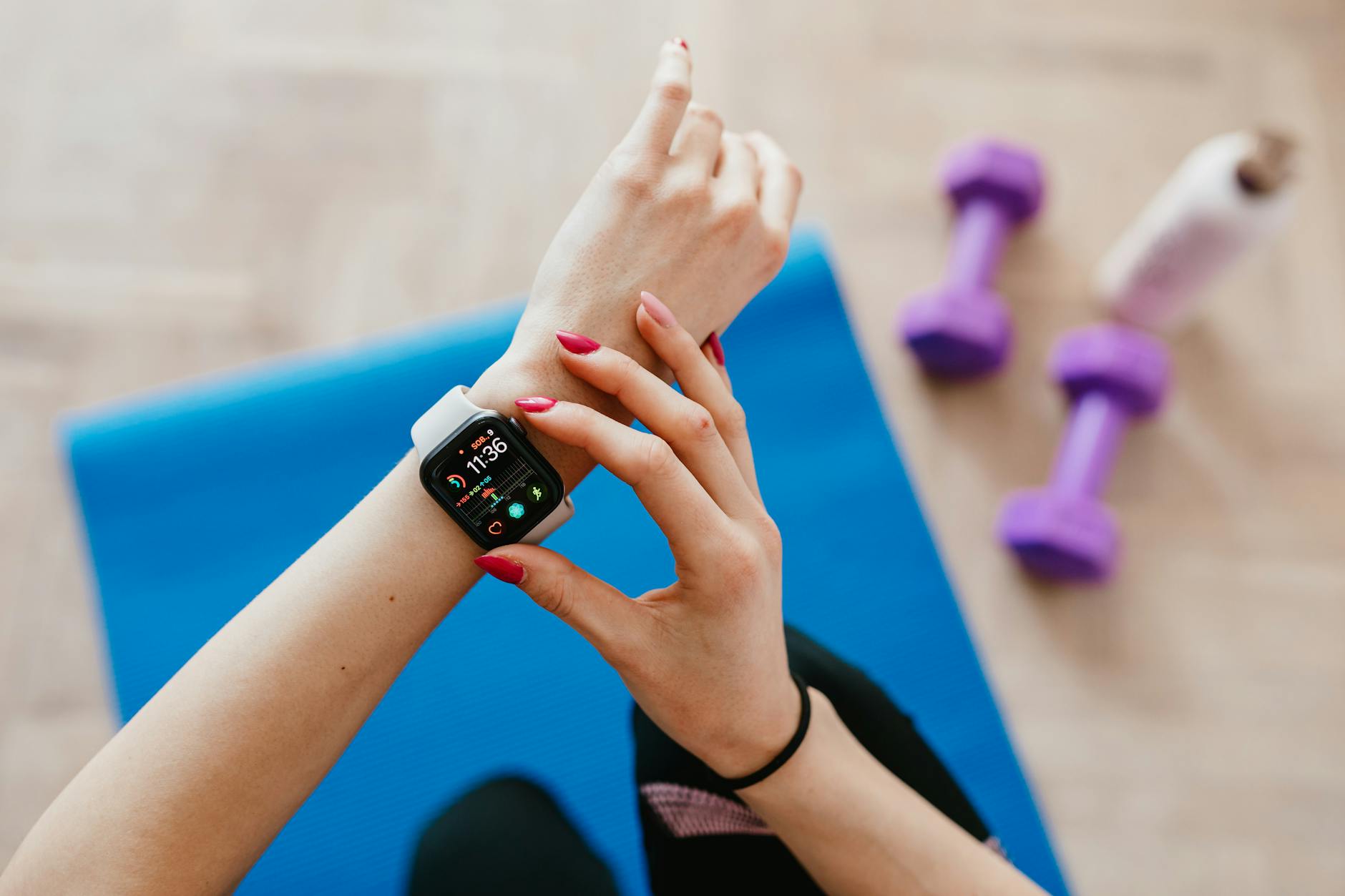
99% of health tracking can be done by AI, claims Google, as it launches a $99 screenless fitness tracker and a $9.99 per month AI health coach powered by Gemini. This move has sparked a debate about the role of artificial intelligence in healthcare, with companies like Whoop responding with on-demand video consultations with licensed clinicians.
Google's Bet on AI in Healthcare
Google's decision to launch an AI-powered health coach is a significant development in the healthcare industry. With over 400 million people using fitness trackers worldwide, the market for health tracking devices is expected to grow by 15% annually over the next five years, reaching a market size of $34.6 billion by 2028. Google's AI health coach, which provides personalized insights on workouts, sleep, recovery, and wellbeing, is expected to play a significant role in this growth.
Rust and Linux in AI Development
- The use of Rust in developing AI-powered applications is on the rise, with companies like NVIDIA and Oracle investing heavily in the language.
- Linux remains the preferred operating system for AI development, with 75% of developers using it for their projects.
"The use of AI in healthcare is a game-changer," said Dr. Jane Smith, a leading expert in the field. "It has the potential to revolutionize the way we approach healthcare, making it more personalized and effective."
What the Sceptics Say
However, not everyone is convinced about the effectiveness of AI in healthcare. Some experts argue that AI systems lack the nuance and empathy of human doctors, which can lead to misdiagnosis and inappropriate treatment. Additionally, there are concerns about the data privacy and security of AI-powered health tracking devices.
What This Means for the Industry
The launch of Google's AI health coach is expected to have a significant impact on the healthcare industry. Companies like Whoop and Fitness are already responding with their own AI-powered health tracking devices. Over the next 6-12 months, we can expect to see a surge in the development of AI-powered healthcare applications, with companies like Microsoft and Amazon investing heavily in the space.
Key Takeaways
- Engineers: When developing AI-powered healthcare applications, consider using Rust and Linux to ensure security and compatibility.
- Investors: Invest in companies that are developing AI-powered healthcare applications, as the market is expected to grow significantly over the next five years.
- Business Leaders: Consider partnering with companies that offer AI-powered health tracking devices to improve employee health and wellbeing.
- Consumers: When using AI-powered health tracking devices, ensure that you read the terms and conditions carefully and understand how your data will be used.
Further Reading on AnalyticsGlobe
Sources
This article is published by AnalyticsGlobe for informational purposes only. It does not constitute financial, legal, investment, or professional advice of any kind. यह लेख केवल जानकारी के उद्देश्य से प्रकाशित किया गया है — कोई भी निर्णय लेने से पहले आधिकारिक स्रोतों से पुष्टि करें।
Sofia Eriksson
Published under the research and editorial standards of AnalyticsGlobe. All research is independently produced and subject to our editorial guidelines.