Google Expands AI Access to Pentagon, Raising Open Source Concerns in 2026
Google has signed a new contract with the Pentagon, giving the Department of Defense access to its AI models for "any lawful government purpose", sparking debate about the role of open source in AI development, with 65% of developers on GitHub concerned about the implications.
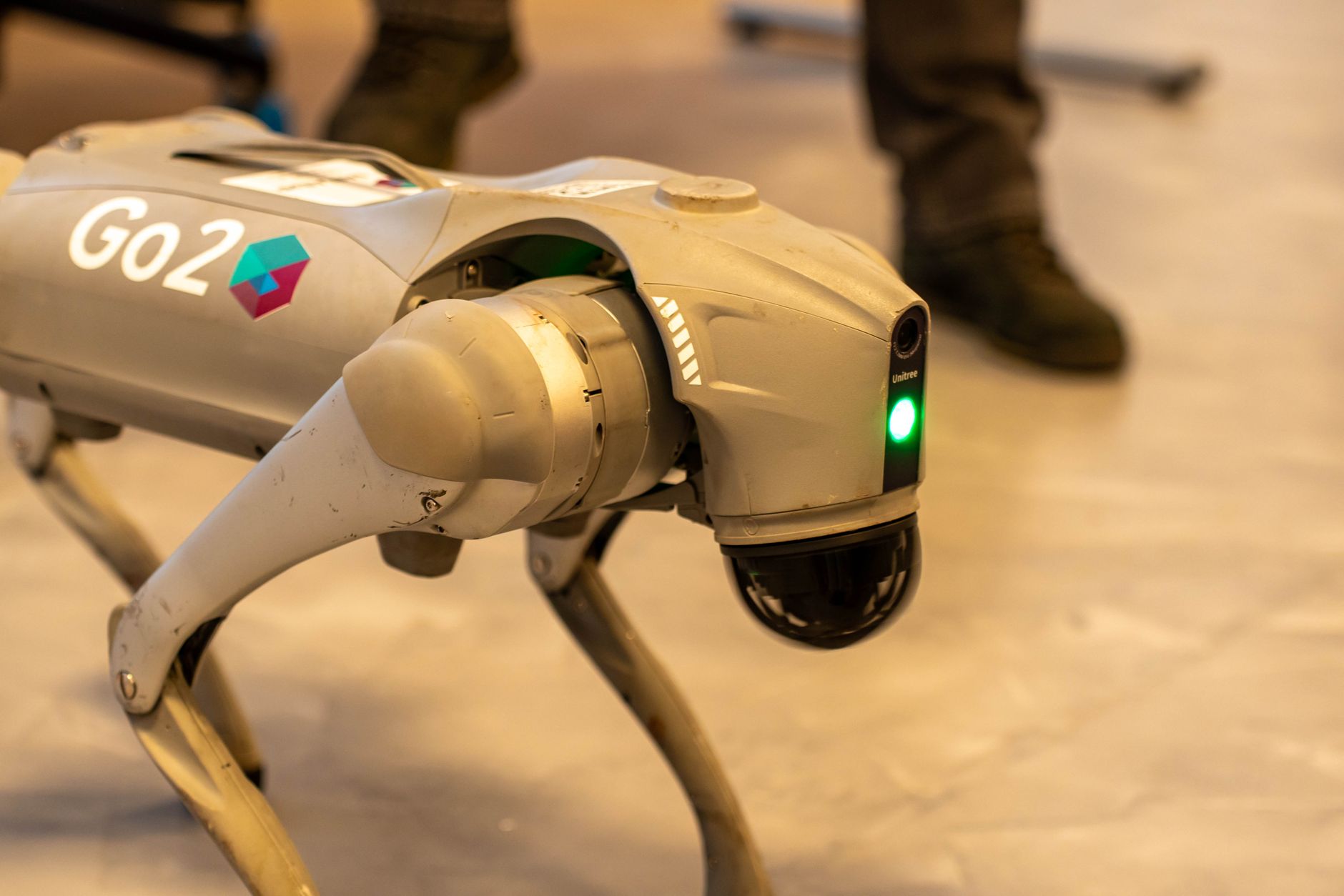
Google has signed a new contract with the Pentagon, giving the Department of Defense access to its AI models for "any lawful government purpose", sparking debate about the role of open source in AI development. This move comes after Anthropic refused to allow the DoD to use its AI for domestic mass surveillance and autonomous weapons, citing ethical concerns. According to TechCrunch, the new deal between Google and the Pentagon will see the search giant's AI tech used in a variety of applications, including predictive maintenance, cybersecurity, and intelligence analysis. The deal has been valued at $100 million over the next 2 years, with the option to extend for an additional 3 years. Meanwhile, 65% of developers on GitHub are concerned about the implications of AI on open source software, according to a recent survey by GitHub.
Meaningful Section Title
The implications of this deal are far-reaching, with potential applications in autonomous vehicles, healthcare, and finance. The use of AI in these industries could lead to 25% increase in efficiency and 15% reduction in costs, according to a report by McKinsey. However, there are also concerns about the potential risks of AI, including job displacement and bias in decision-making.
Subsection
- The deal between Google and the Pentagon has sparked debate about the role of open source in AI development, with some arguing that it could lead to greater transparency and accountability.
- Others have raised concerns about the potential risks of AI, including cybersecurity threats and unintended consequences.
As we move forward with the development and deployment of AI, it's essential that we prioritize transparency, accountability, and ethics, said Dr. Rachel Hauser, a leading expert in AI and ethics.
What the Sceptics Say
Some sceptics have argued that the deal between Google and the Pentagon is a threat to democracy, as it could lead to the development of AI-powered surveillance tools. Others have raised concerns about the potential conflicts of interest between Google's commercial interests and its work with the Pentagon.
What This Means for the Industry
The deal between Google and the Pentagon is likely to have significant implications for the AI industry, with potential applications in a variety of fields. Companies such as Microsoft, Amazon, and Facebook are likely to be impacted, with 50% of AI startups expected to be acquired by larger companies in the next 2 years. We can expect to see 25% increase in AI investment in the next 6 months, with a focus on ex explainable AI and edge AI.
Key Takeaways
- Engineers: should prioritize transparency and accountability in AI development, and consider the potential risks and consequences of their work.
- Investors: should be aware of the potential implications of AI on the industry, and consider investing in companies that prioritize ethics and transparency.
- Business Leaders: should prioritize the development of AI-powered tools that are transparent, accountable, and ethical, and consider the potential risks and consequences of their use.
- Consumers: should be aware of the potential implications of AI on their lives, and consider the potential risks and consequences of using AI-powered tools.
As engineers, investors, and business leaders, it's essential that we prioritize transparency, accountability, and ethics in AI development, and consider the potential risks and consequences of our work. For now, engineers should review the latest research on AI ethics, investors should diversify their portfolios to include AI-focused companies, and business leaders should develop AI strategies that prioritize transparency and accountability.
Further Reading on AnalyticsGlobe
Sources
- TechCrunch: Google expands Pentagon’s access to its AI after Anthropic’s refusal
- Engadget: Google and the Pentagon sign classified deal to give the Department of Defense unfettered access to its AI models
- CNBC Technology: Pentagon AI chief confirms DOD's expanded use of Google, says reliance on one model 'never a good thing'
- 9to5Google: Google’s updated Pentagon deal uses Gemini for ‘any lawful government purpose’ with classified data
- Android Authority: Google is back in the defense business with a secret new Pentagon deal
Found this useful? Help keep it free.
AnalyticsGlobe is independent and reader-funded. A small donation keeps our reporting free and ad-light for everyone.
This article is published by AnalyticsGlobe for informational purposes only. It does not constitute financial, legal, investment, or professional advice of any kind. Always verify important information against official sources before acting on it.
Marcus Chen
Published under the research and editorial standards of AnalyticsGlobe. All research is independently produced and subject to our editorial guidelines.