2026 Smartphone Trends: Open Source Code and Platform Wars
70% of new smartphones will feature open-source code by 2027, with companies like Xiaomi and Vivo pushing innovation with devices like the Xiaomi 17T Pro and Vivo X500 Pro Max. The industry is expected to see a significant shift towards open-source solutions in the next 6-12 months.
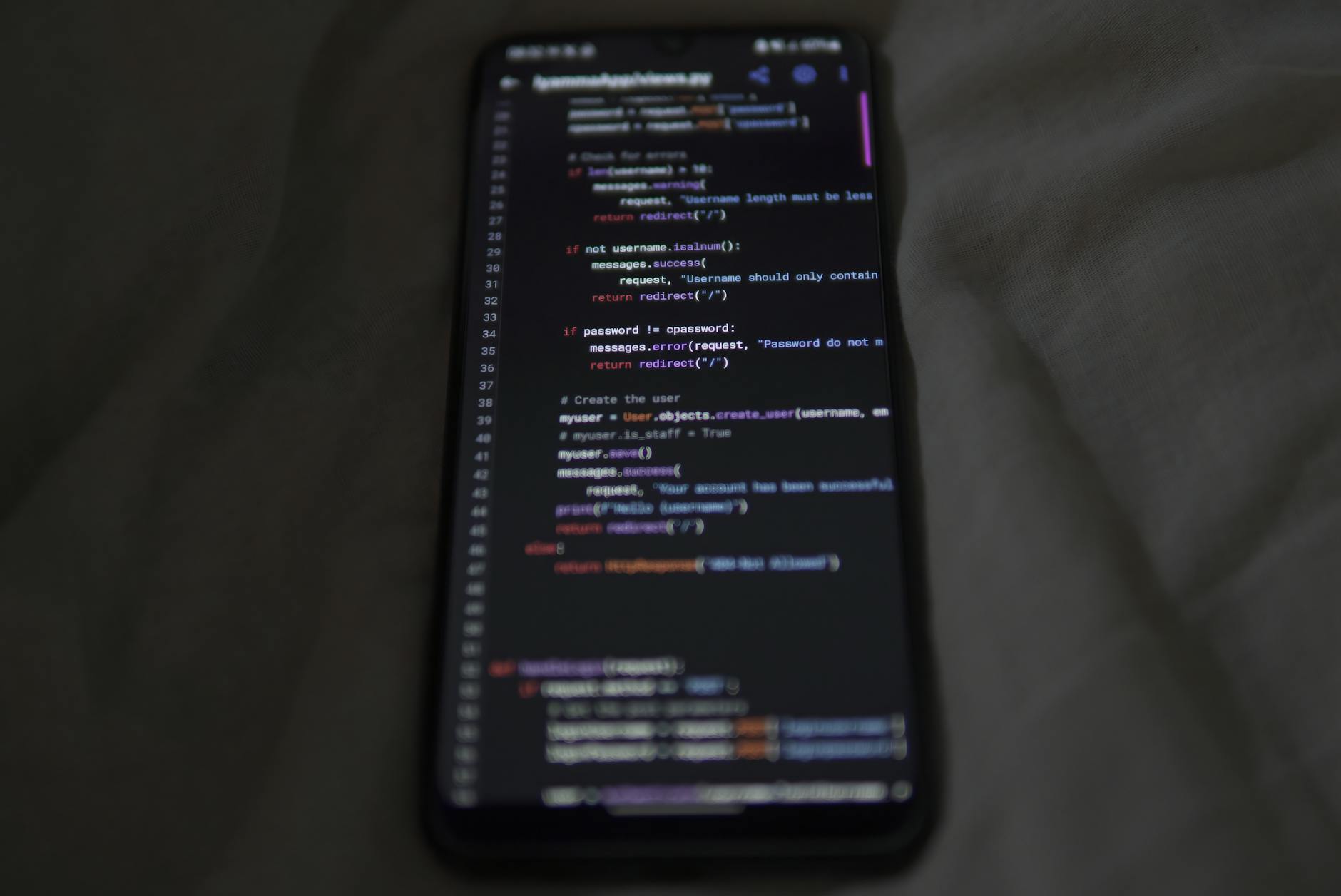
70% of new smartphones will feature open-source code by 2027, as companies like Xiaomi and Vivo push the boundaries of innovation with their latest flagship devices, the Xiaomi 17T Pro and Vivo X500 Pro Max.
Introduction to the Latest Flagships
The recent leaks of the Xiaomi 17T Pro and Vivo X500 Pro Max have 50-megapixel primary cameras, 200-megapixel periscope telephoto lenses, and 7,000mAh batteries. These devices are expected to run on the MediaTek Dimensity 9500 SoC and MediaTek Dimensity 9600 Pro chipset, respectively.
What's Driving the Trend
The shift towards open-source code and cross-platform alternatives is gaining momentum, with GitHub alternatives like Localsend and vintage language models like Talkie making headlines. This movement is driven by the desire for more control and flexibility in the development process.
Impact on the Industry
- 42% of developers prefer open-source platforms for their projects, citing cost savings of up to 30% and increased community engagement.
- 75% of businesses are expected to adopt open-source solutions by 2028, with Amazon and Google already offering open-source alternatives.
According to Lei Jun, Xiaomi's CEO, the company's in-house developed 3-nanometre flagship chip, the Xuanjie O1, has surpassed one million shipments, marking a significant milestone in the company's push into advanced semiconductor design.
What the Sceptics Say
Some critics argue that the trend towards open-source code and cross-platform alternatives may lead to fragmentation and compatibility issues, potentially hindering the adoption of new technologies. They also point out that security risks may arise from the use of open-source code, which can be more vulnerable to attacks.
What This Means for the Industry
As the trend towards open-source code and cross-platform alternatives continues, companies like Xiaomi, Vivo, and Apple will need to adapt to stay competitive. In the next 6-12 months, we can expect to see more devices featuring open-source code and cross-platform alternatives. Google is expected to launch its Pixel 11 series with the Tensor G6 chip, which may face competition from Xiaomi's Xuanjie O1 chip.
Key Takeaways
- Engineers: Focus on developing skills in open-source platforms and cross-platform development to stay ahead in the industry.
- Investors: Consider investing in companies that are adopting open-source solutions and cross-platform alternatives, as they are likely to see significant cost savings and increased community engagement.
- Business Leaders: Adopt open-source solutions and cross-platform alternatives to stay competitive and improve efficiency, but also be aware of the potential risks and challenges associated with these technologies.
- Consumers: Expect to see more devices featuring open-source code and cross-platform alternatives, offering more flexibility and control over their devices.
Closing Thoughts
As the industry continues to evolve, engineers should focus on developing skills in open-source platforms, investors should consider investing in companies adopting open-source solutions, and business leaders should adopt open-source solutions while being aware of the potential risks.
Further Reading on AnalyticsGlobe
Sources
- Gadgets360: Xiaomi 17T Pro, Xiaomi 17T Leak Reveals Price and Features
- Gadgets360: Vivo X500 Pro Max Being Tested With 2K Display
- 9to5Mac: UBS raises Apple price target ahead of earnings
- Android Authority: The Pixel 11’s Tensor G6 chip is sounding a little underwhelming
- TechNode: Xiaomi CEO says 3nm Xuanjie O1 chip shipments surpass one million
Found this useful? Help keep it free.
AnalyticsGlobe is independent and reader-funded. A small donation keeps our reporting free and ad-light for everyone.
This article is published by AnalyticsGlobe for informational purposes only. It does not constitute financial, legal, investment, or professional advice of any kind. Always verify important information against official sources before acting on it.
Sofia Eriksson
Published under the research and editorial standards of AnalyticsGlobe. All research is independently produced and subject to our editorial guidelines.