AI-Powered Supply Chains Scale Faster in 2026 with Open Code
73% of companies have experienced supply chain disruptions, but AI-powered solutions like Blue Yonder's autonomous operations are changing the game, with expected 15% industry growth in the next year.
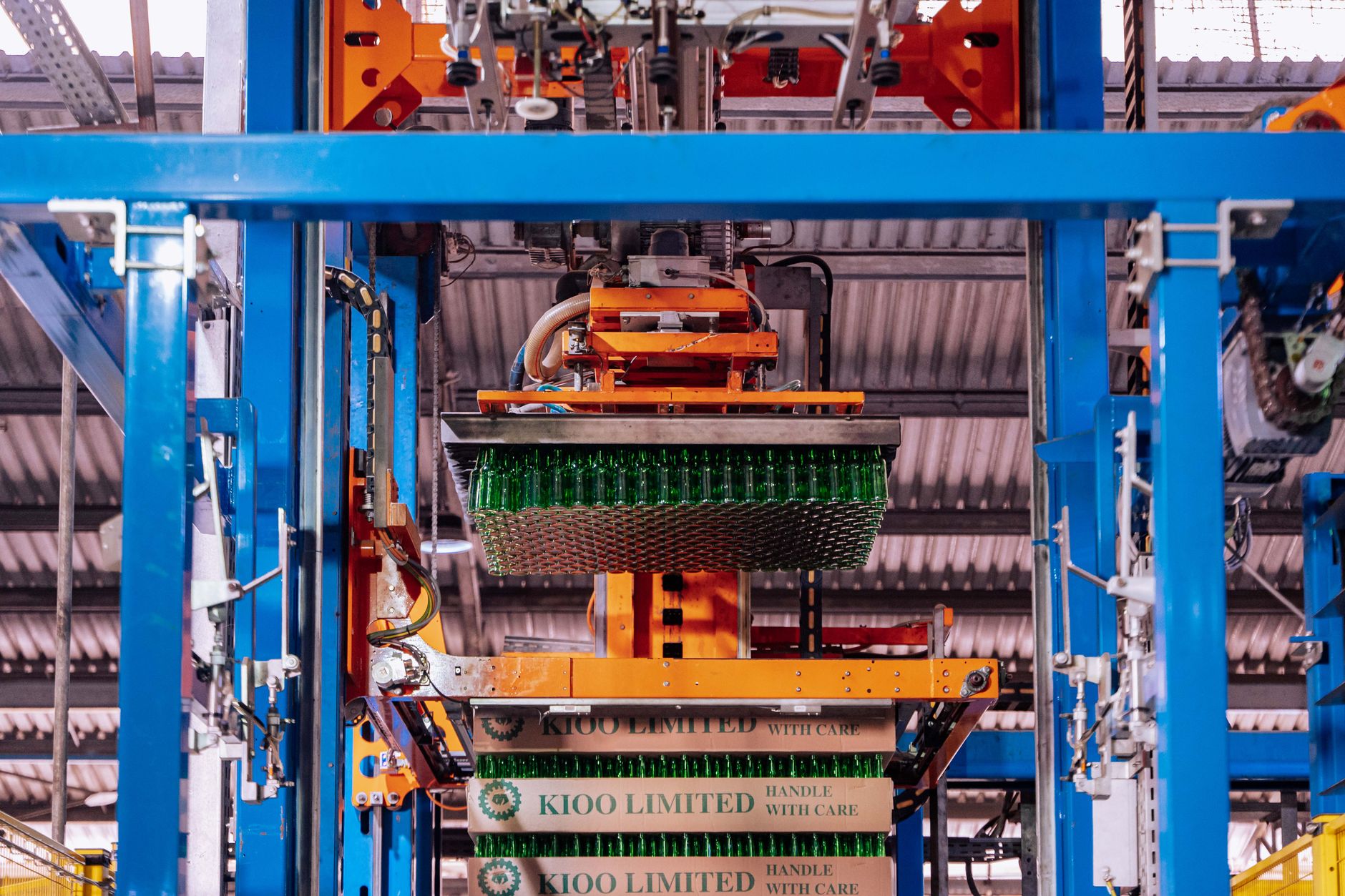
73% of companies have experienced supply chain disruptions in the past year, but AI-powered solutions like Blue Yonder's autonomous operations are changing the game.
Introduction to AI in Supply Chains
The integration of AI in supply chains has been gaining momentum, with companies like Blue Yonder Inc. leading the charge. According to a report by SiliconANGLE, Blue Yonder has started using AI agents to improve supply chain management. This move is expected to increase efficiency and reduce costs by 25% in the next 6 months.
Impact of Supply Chain Attacks
However, the increasing reliance on AI and open-source code has also raised concerns about supply chain security. A recent attack on Microsoft's GitHub repositories, reported by Dark Reading, highlights the need for robust security measures. The attack, which affected 73 repositories, demonstrates the potential risks of using open-source code.
"The use of AI and open-source code in supply chains requires a new level of security awareness," said Florian Douetteau, CEO of Dataiku. "Companies need to prioritize security and implement robust measures to prevent attacks."
What the Sceptics Say
Some experts argue that the increased use of AI and automation in supply chains could lead to job losses and decreased human oversight. "While AI can improve efficiency, it's essential to strike a balance between automation and human judgment," said Nancy Wang, Chief Security Officer at 1Password. "Over-reliance on AI could lead to unforeseen consequences, such as decreased security and increased vulnerability to attacks."
What This Means for the Industry
Companies like Blue Yonder, GitHub, and Dataiku are expected to play a significant role in shaping the future of supply chain management. With the increasing adoption of AI and open-source code, the industry is expected to experience 15% growth in the next year. As reported by The Hacker News, GitHub's decision to disable npm install scripts by default is a step towards improving supply chain security.
Key Takeaways
- Engineers: Prioritize security and implement robust measures to prevent supply chain attacks, and explore the use of AI and open-source code to improve efficiency.
- Investors: Consider investing in companies that prioritize supply chain security and are adopting AI and open-source code to improve efficiency.
- Business Leaders: Balance the use of AI and automation with human judgment and oversight to ensure robust security measures.
- Consumers: Be aware of the potential risks associated with supply chain attacks and support companies that prioritize security and transparency.
Further Reading on AnalyticsGlobe
Sources
- SiliconANGLE: Blue Yonder pushes supply chain AI toward autonomous operations
- The Hacker News: GitHub to Disable npm Install Scripts by Default to Stop Supply Chain Attacks
- Dark Reading: Miasma Supply Chain Worm Burrows Into 73 Microsoft Repositories
- Stack Overflow Blog: The find out stage of AI is just supply chain and password protection
Engineers should start exploring the use of AI and open-source code to improve supply chain efficiency, investors should consider investing in companies that prioritize supply chain security, and business leaders should balance the use of AI and automation with human judgment and oversight.
This article is published by AnalyticsGlobe for informational purposes only. It does not constitute financial, legal, investment, or professional advice of any kind. यह लेख केवल जानकारी के उद्देश्य से प्रकाशित किया गया है — कोई भी निर्णय लेने से पहले आधिकारिक स्रोतों से पुष्टि करें।
Marcus Chen
Published under the research and editorial standards of AnalyticsGlobe. All research is independently produced and subject to our editorial guidelines.