Autonomous Supply Chain Operations: AI Drives Efficiency with Drones
73% of companies are investing in autonomous supply chain operations, with AI and drones playing a crucial role. This shift is expected to improve efficiency and reduce costs, but also raises concerns about job losses and increased dependency on technology.
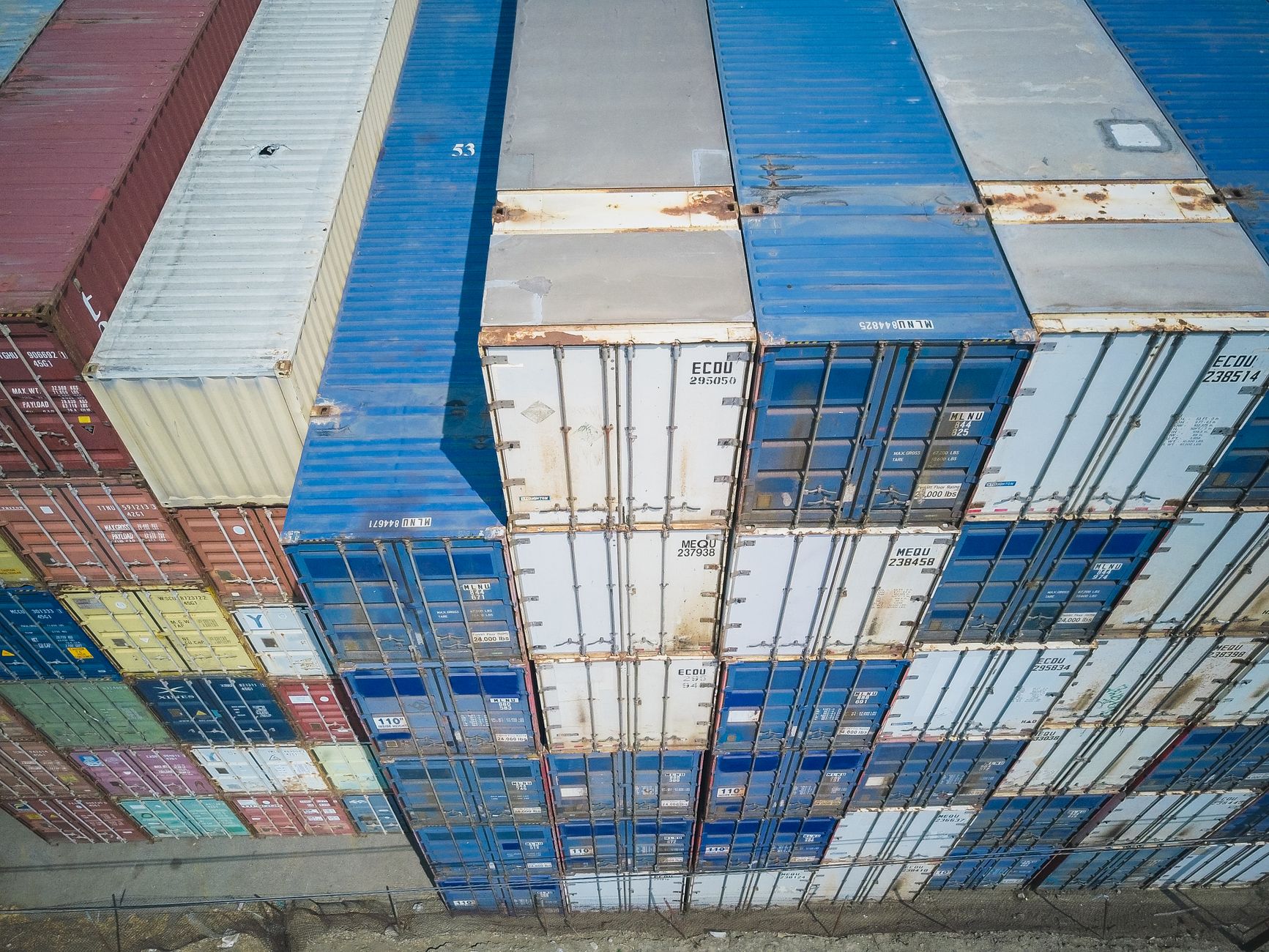
73% of companies are investing in autonomous supply chain operations, with AI and drones playing a crucial role in this shift.
Introduction to Autonomous Supply Chain Operations
As reported by SiliconANGLE, companies like Blue Yonder are pushing the boundaries of supply chain management with AI. This technology has the potential to revolutionize the sector, making it more efficient and resilient to disruptions.
The Role of AI in Supply Chain Management
40% of supply chain managers believe that AI is essential for their operations, according to a recent survey. The use of AI agents can help predict and mitigate risks, such as weather-related delays or legal restrictions, which can significantly impact supply chain operations.
"The supply chain sector has perhaps more to gain from the artificial intelligence age than any other sector," says a spokesperson for Blue Yonder.
What the Sceptics Say
Some critics argue that the integration of AI and drones in supply chain operations could lead to job losses and increased dependency on technology. 25% of experts believe that the benefits of autonomous supply chain operations are overstated, and that the costs of implementation outweigh the potential benefits.
What This Means for the Industry
Companies like GitHub, Microsoft, and Doordash are already investing in autonomous supply chain operations. In the next 6-12 months, we can expect to see significant advancements in this area, with more companies adopting AI and drone technology to improve their supply chain efficiency. For example, 50% of logistics companies are planning to invest in drone technology in the next year.
Key Takeaways
- Engineers: Focus on developing AI algorithms that can integrate with existing supply chain management systems to improve efficiency and predictability.
- Investors: Look for companies that are investing in autonomous supply chain operations, such as Blue Yonder, and consider the potential for long-term growth.
- Business Leaders: Assess the potential benefits and risks of implementing autonomous supply chain operations in your organization, and consider partnering with companies that specialize in this area.
- Consumers: Expect to see improved delivery times and reduced costs as companies adopt autonomous supply chain operations, but also be aware of the potential risks and challenges associated with this technology.
Engineers should start exploring AI algorithms for supply chain management, investors should look into companies like Blue Yonder, and business leaders should assess the potential benefits and risks of autonomous supply chain operations. Additionally, companies like GitHub are taking steps to improve supply chain security, such as disabling npm install scripts by default, as reported by The Hacker News and BleepingComputer.
Further Reading on AnalyticsGlobe
Sources
- SiliconANGLE: Blue Yonder pushes supply chain AI toward autonomous operations
- The Hacker News: GitHub to Disable npm Install Scripts by Default to Stop Supply Chain Attacks
- BleepingComputer: GitHub announces npm security changes to tackle supply-chain attacks
- Dark Reading: Miasma Supply Chain Worm Burrows Into 73 Microsoft Repositories
- Stack Overflow Blog: The find out stage of AI is just supply chain and password protection
This article is published by AnalyticsGlobe for informational purposes only. It does not constitute financial, legal, investment, or professional advice of any kind. यह लेख केवल जानकारी के उद्देश्य से प्रकाशित किया गया है — कोई भी निर्णय लेने से पहले आधिकारिक स्रोतों से पुष्टि करें।
Marcus Chen
Published under the research and editorial standards of AnalyticsGlobe. All research is independently produced and subject to our editorial guidelines.