Wearable Tech Revolution: Seamless Health Monitoring Emerges
The convergence of battery-free wearable technology and AI-driven data analysis is set to revolutionize health monitoring and beyond, with the potential to disrupt industries and create new opportunities for growth. As these technologies advance, they will challenge existing norms and drive further innovation in the wearable technology and AI sectors.
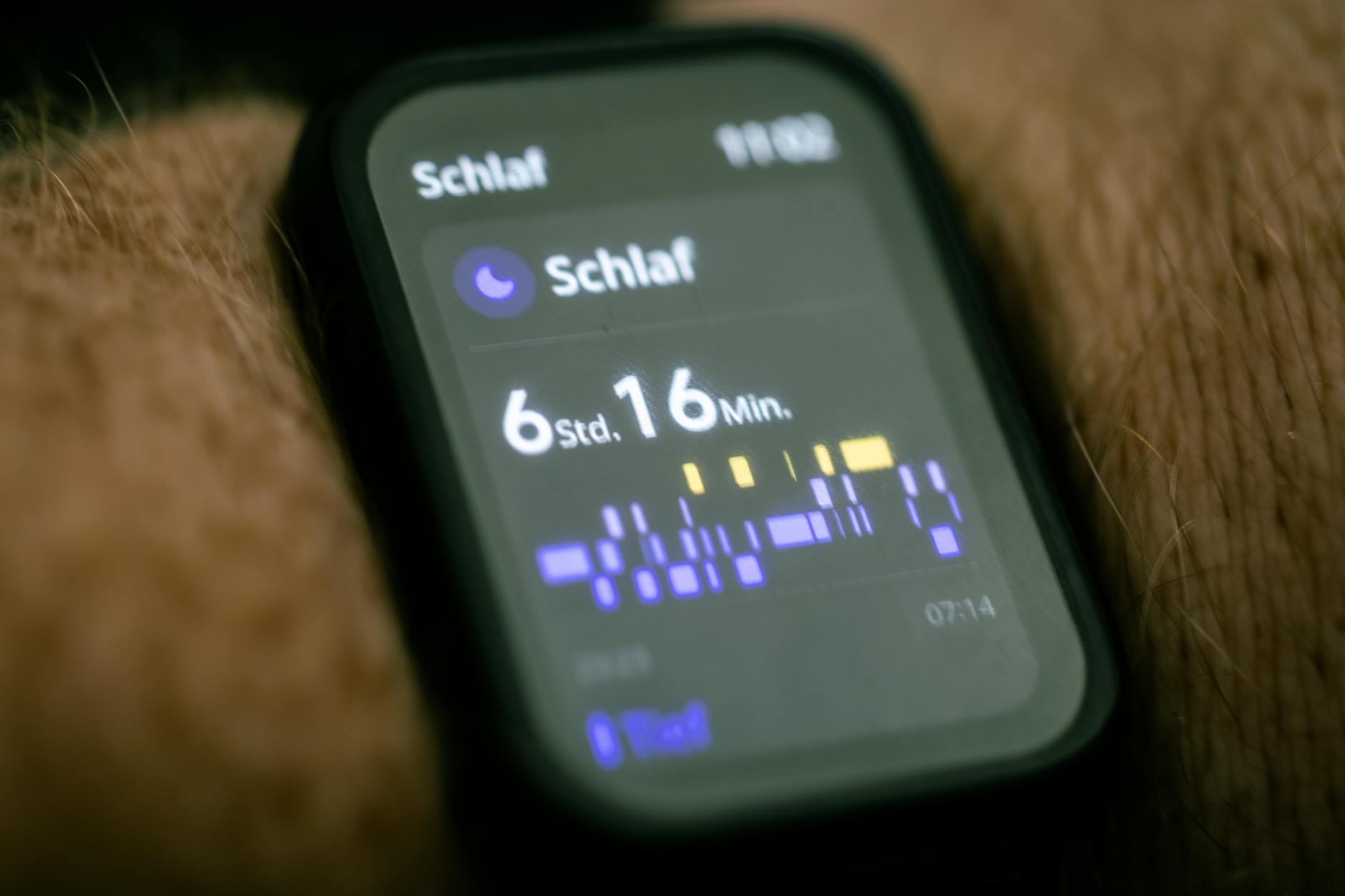
The advent of battery-free textiles that can monitor blood pressure in real-time is poised to revolutionize the wearable technology landscape, with the global market projected to reach $51.6 billion by 2025, growing at a compound annual growth rate (CAGR) of 15.5%. This innovation, coupled with advancements in artificial intelligence (AI) that can interpret real-time data from various sources, including financial markets, underscores a significant shift towards continuous, seamless monitoring of physiological and environmental signals. The potential applications of such technologies extend beyond healthcare to include industries such as finance, where real-time data analysis can predict market trends and behaviors.
Integration of Technologies
The integration of battery-free wearable technology with AI-powered data analysis represents a convergence of two rapidly evolving fields. On one hand, advancements in materials science have led to the development of textiles that can harness and store energy from their environment, eliminating the need for traditional batteries. On the other hand, AI models are becoming increasingly sophisticated in their ability to analyze real-time data streams, identifying patterns and making predictions that can inform decision-making in various contexts.
Competing Technologies and Market Landscape
- Existing wearable devices, such as smartwatches and fitness trackers, have limitations in terms of battery life and the depth of physiological data they can collect.
- New entrants in the market, such as bioelectronic devices, are offering novel solutions for health monitoring but face challenges related to user adoption and regulatory approval.
- The global wearable technology market is highly competitive, with key players including Apple, Samsung, and Fitbit, and is expected to see significant growth driven by advancements in technology and increasing consumer awareness of health and wellness.
"The future of wearable technology lies in its ability to seamlessly integrate into daily life, providing users with valuable insights into their health and environment without the need for constant charging or maintenance," notes Dr. Maria Rodriguez, a leading expert in wearable technology and health monitoring.
What This Means for the Industry
The emergence of battery-free, real-time health monitoring technologies, combined with the power of AI-driven data analysis, signals a profound shift in how we approach health, wellness, and decision-making. Over the next 6-12 months, we can expect to see significant advancements in the development and commercialization of these technologies, leading to new applications in healthcare, finance, and beyond. As these technologies mature, they will challenge existing business models and create new opportunities for innovation and growth, driving further investment and research in the wearable technology and AI sectors.
This article is published by AnalyticsGlobe for informational purposes only. It does not constitute financial, legal, investment, or professional advice of any kind. Always conduct your own research and consult qualified professionals before making any decisions.
Sofia Eriksson
Published under the research and editorial standards of AnalyticsGlobe. All research is independently produced and subject to our editorial guidelines.