US Spy Powers Renewal Masks Deeper Surveillance Concerns
The US spy powers renewal process highlights deeper concerns over surveillance and privacy, reflecting a global trend towards balancing security with individual rights. The surveillance industry is poised for significant changes, driven by technological advancements, market shifts, and evolving regulatory landscapes.
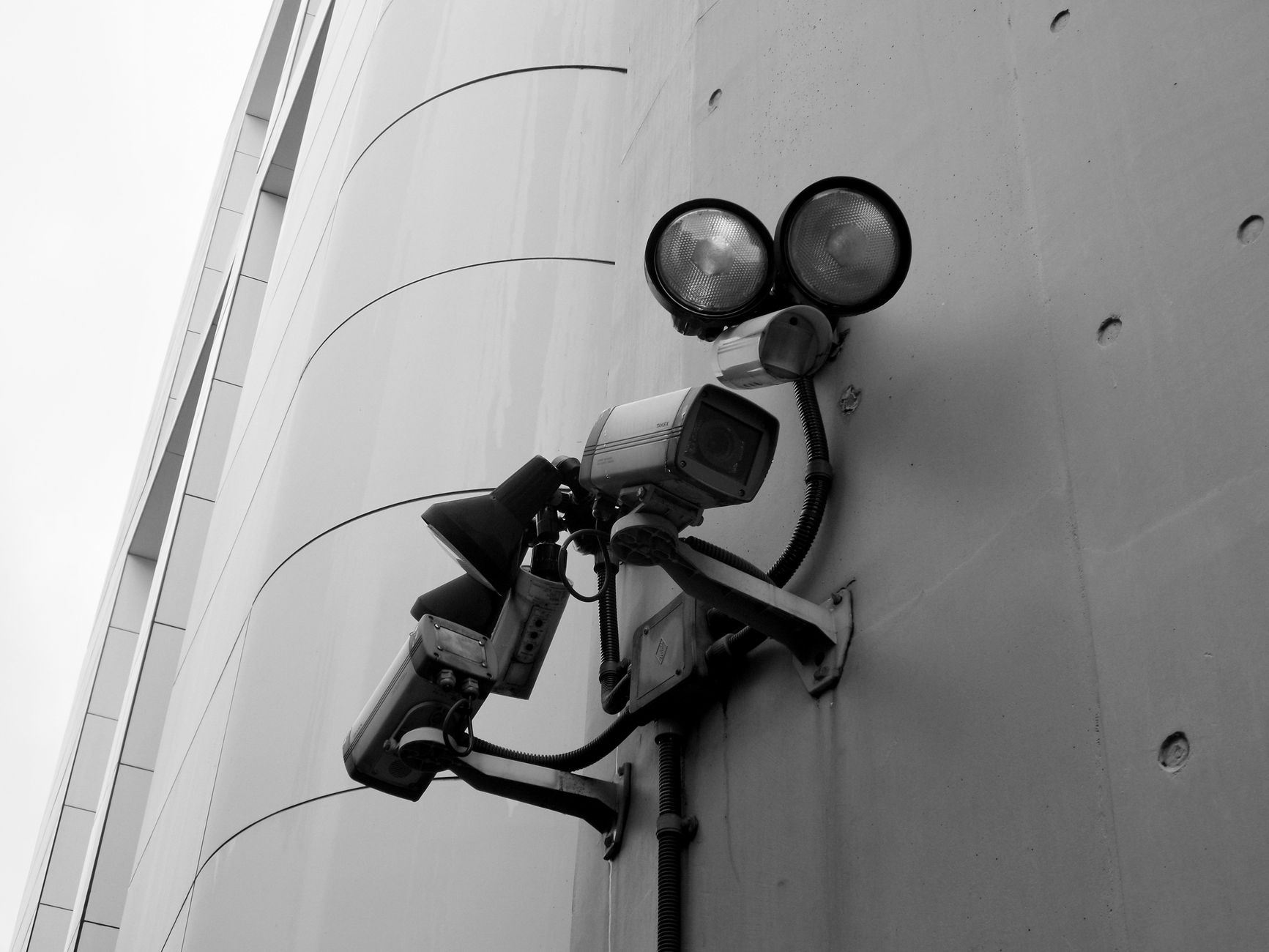
A staggering 94% of surveillance requests under the US Foreign Intelligence Surveillance Act (FISA) are approved without a hearing, sparking renewed concerns over the balance between national security and individual privacy as the program faces renewal. This comes at a time when the global surveillance market is expected to reach $48.4 billion by 2025, with the US accounting for over 30% of the market share.
Historical Context and Current Debates
The current debate over the renewal of key US spy powers is not new; it echoes historical struggles between security needs and civil liberties. The program in question allows the FBI to access Americans' communications without a warrant, a provision that has been under scrutiny for its potential to infringe on privacy rights.
Market and Technological Landscape
- The global surveillance technology market is increasingly dominated by AI and machine learning solutions, which are seen as more effective in identifying and predicting security threats.
- Competing technologies from countries like China are gaining traction, with Huawei and other Chinese firms investing heavily in surveillance infrastructure, potentially altering the geopolitical landscape of surveillance.
- Privacy-focused startups are emerging, offering encryption and secure communication services, indicating a growing demand for privacy solutions among consumers.
"The real challenge is not just about renewing spy powers but about creating a framework that respects individual privacy while enhancing national security. This is a delicate balance that requires careful consideration of technological, legal, and societal factors," said Dr. Rachel Lawrence, a leading expert in surveillance and privacy.
What This Means for the Industry
The path forward for the renewal of US spy powers will significantly impact the surveillance industry, both domestically and internationally. Over the next 6-12 months, we can expect to see heightened scrutiny of surveillance technologies, increased investment in privacy-focused solutions, and potentially, new regulations that aim to balance security needs with individual rights. The global market will likely see a shift towards more transparent and privacy-respecting surveillance technologies, driven by consumer demand and regulatory pressures.
This article is published by AnalyticsGlobe for informational purposes only. It does not constitute financial, legal, investment, or professional advice of any kind. Always conduct your own research and consult qualified professionals before making any decisions.
Sofia Eriksson
Published under the research and editorial standards of AnalyticsGlobe. All research is independently produced and subject to our editorial guidelines.