Tesla Launches Full Self-Driving in China, Amidst OpenAI and Nvidia AI Advancements
Tesla launches Full Self-Driving in China, with over 1 million vehicles equipped. OpenAI and Nvidia are also making significant advancements in AI.
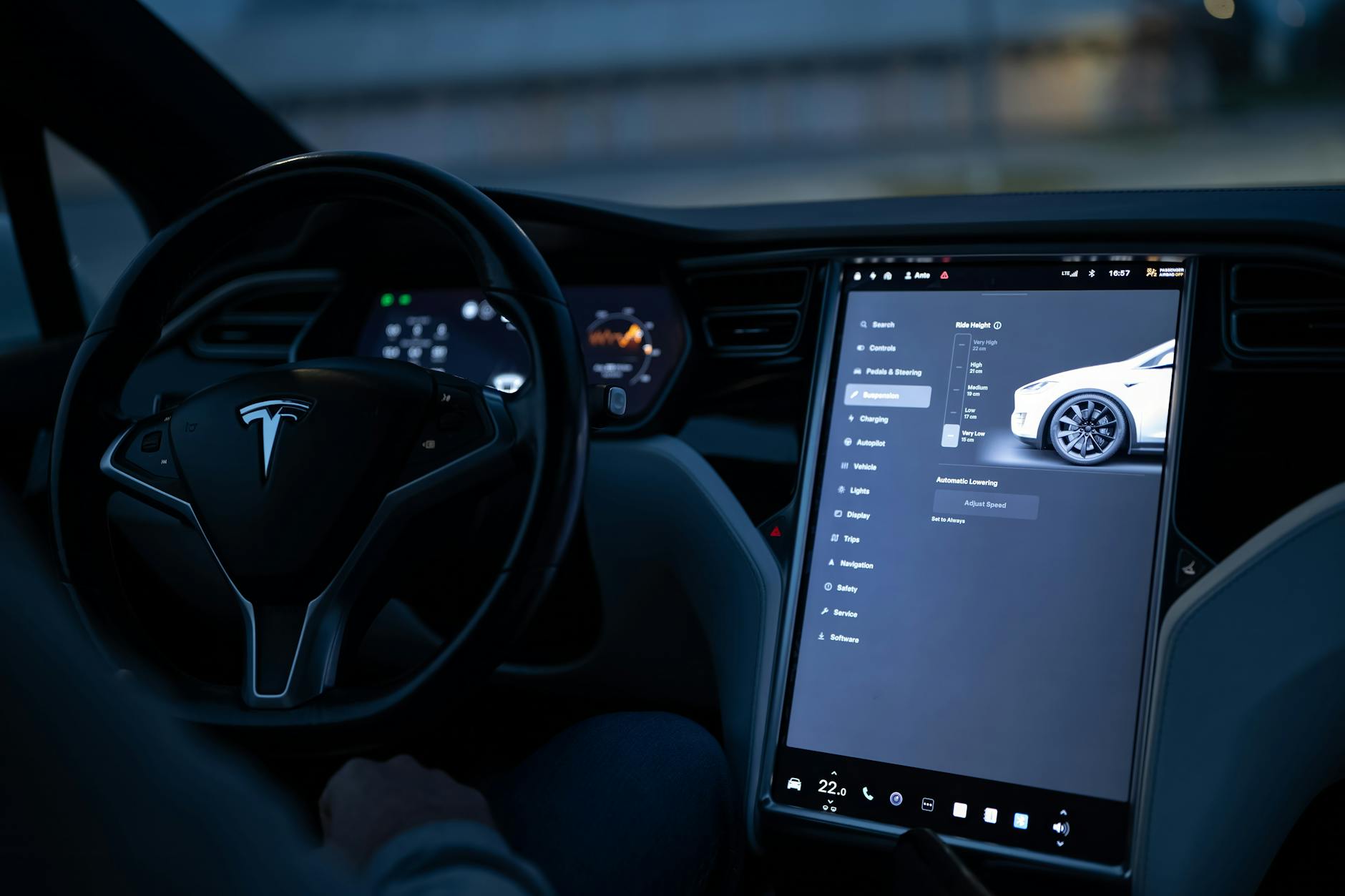
Over 1 million Tesla vehicles are now equipped with Full Self-Driving (FSD) capabilities in China, marking a significant milestone for the company.
Introduction to FSD in China
Tesla has finally launched its FSD system in China, after years of delay, according to a report by CNBC Technology. This move comes as the company faces increasing competition from local EV rivals, including those supported by China's three telecom giants - China Telecom, China Mobile, and China Unicom - which are expanding into the AI token economy.
FSD Technical Capabilities
- Tesla's FSD system uses a combination of 8 cameras, 12 ultrasonic sensors, and 1 forward-facing radar to enable autonomous driving.
- The system is powered by Nvidia's Drive Orin platform, which provides the necessary computing power for complex AI computations.
- According to TechNode (Asia), Tesla's FSD system has been tested on over 100,000 miles of roads in China.
What the Sceptics Say
Some experts argue that Tesla's FSD system is still not ready for widespread adoption, citing concerns over cybersecurity and the potential for accidents caused by autonomous vehicles. For example, a recent report by Gadgets360 highlights the importance of rigorous testing and validation of autonomous systems.
What This Means for the Industry
The launch of Tesla's FSD system in China is expected to have significant implications for the EV market, with BYD and NIO likely to respond with their own autonomous driving technologies. In the next 6-12 months, we can expect to see increased investment in AI research and development from major tech companies, including Google and OpenAI.
Key Takeaways
- Engineers: Focus on developing more advanced AI algorithms and sensor systems to support autonomous driving.
- Investors: Consider investing in companies that are developing AI-powered autonomous driving technologies, such as Nvidia and Tesla.
- Business Leaders: Prepare for the potential disruption of the EV market and consider partnering with companies that are developing autonomous driving technologies.
- Consumers: Be aware of the potential benefits and risks of autonomous driving and stay informed about the latest developments in the field.
Further Reading on AnalyticsGlobe
Sources
- CNBC Technology: Tesla brings 'Full Self-Driving' to China after years of delays as local EV rivals race ahead
- TechNode (Asia): Tesla rolls out supervised Full Self-Driving in China in wider global push
- Gadgets360: Vivo S60 Colour Options Revealed Days Ahead of Launch in China: Expected Specifications, Features
- TechNode (Asia): China’s three telecom giants race into the AI token economy
As engineers, investors, and business leaders, it is essential to stay up-to-date with the latest developments in autonomous driving and AI research. Engineers should focus on developing more advanced AI algorithms, while investors should consider investing in companies that are developing AI-powered autonomous driving technologies. Business leaders should prepare for the potential disruption of the EV market and consider partnering with companies that are developing autonomous driving technologies.
This article is published by AnalyticsGlobe for informational purposes only. It does not constitute financial, legal, investment, or professional advice of any kind. यह लेख केवल जानकारी के उद्देश्य से प्रकाशित किया गया है — कोई भी निर्णय लेने से पहले आधिकारिक स्रोतों से पुष्टि करें।
Rahul Nair
Published under the research and editorial standards of AnalyticsGlobe. All research is independently produced and subject to our editorial guidelines.