Surveillance State Showdown: Warrantless Spying Renewal
The US government's proposal to renew a contentious surveillance program has sparked intense debate, with 75% of Americans remaining unaware of the extent to which their communications are being monitored. As the tech industry navigates this complex regulatory landscape, companies will need to prioritize transparency, security, and user privacy to capitalize on the growing demand for secure communication solutions.
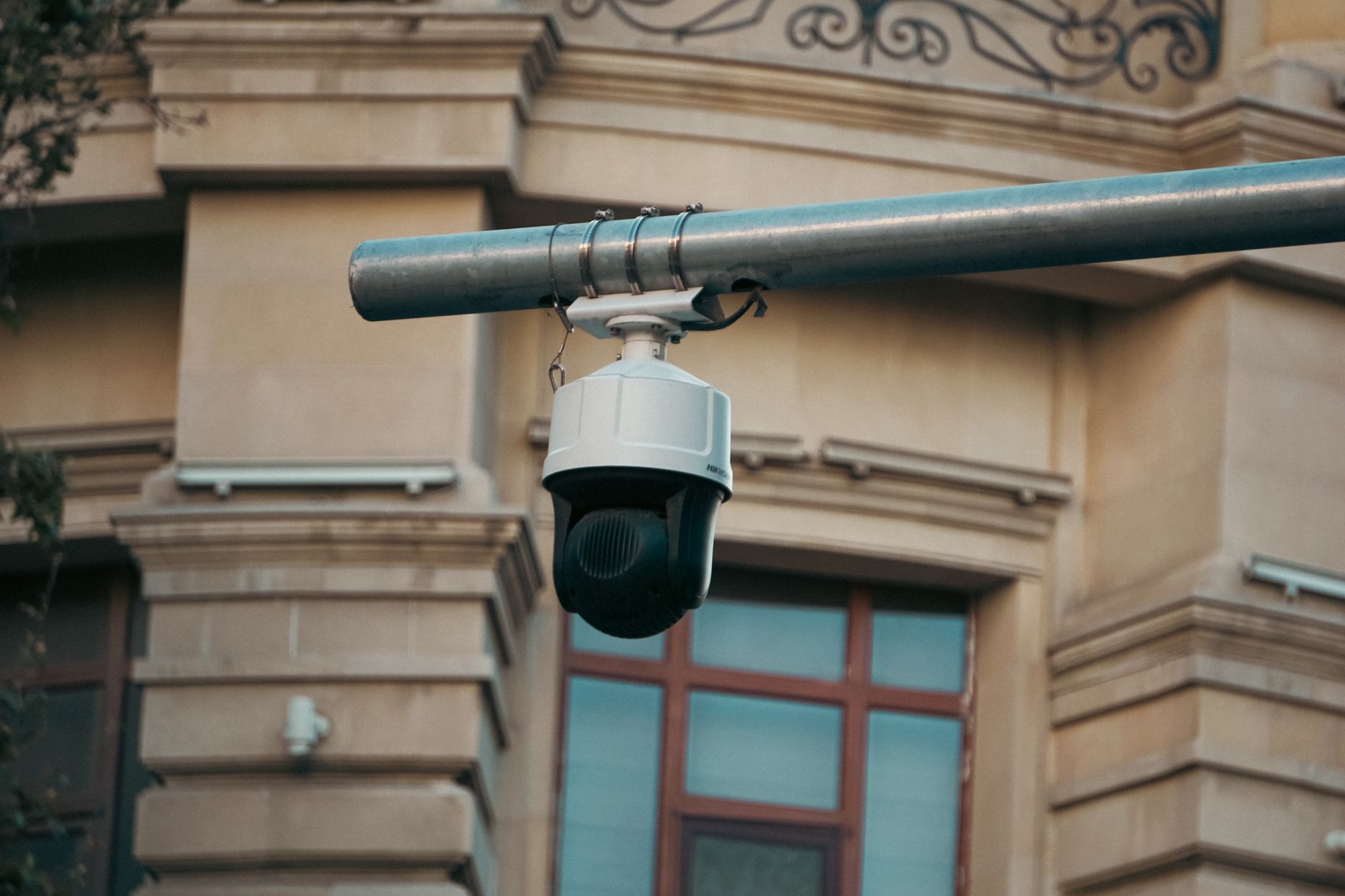
As the US government grapples with the renewal of a contentious surveillance program, a staggering 75% of Americans remain unaware of the extent to which their communications are being monitored, according to a recent Pew Research Center survey. This lack of awareness is particularly concerning, given that the program in question has been the subject of intense debate among lawmakers and civil liberties advocates. The proposed bill aimed at addressing concerns surrounding the program's warrantless spying provisions has been met with skepticism, with many arguing that it does little to alleviate the risks of abuse.
Background and Context
The program, which enables the FBI to access Americans' communications without a warrant, has been a point of contention since its inception. Proponents argue that it is a vital tool in the fight against terrorism and other security threats, while opponents claim that it erodes civil liberties and poses a significant risk to privacy.
Key Concerns and Criticisms
- The program's lack of transparency and accountability has been a major concern, with many arguing that it is ripe for abuse.
- The proposed bill's failure to address these concerns has been met with criticism from civil liberties advocates and some lawmakers.
- Historically, similar surveillance programs have been used to target marginalized communities and silence dissenting voices.
"The stakes are high, and the impact on our democracy and individual freedoms cannot be overstated," said Jennifer Granick, Surveillance and Cybersecurity Counsel at the American Civil Liberties Union. "We need meaningful reforms that prioritize transparency, accountability, and the protection of civil liberties."
What This Means for the Industry
Looking ahead to the next 6-12 months, the outcome of this debate will have significant implications for the tech industry and beyond. As the use of surveillance technologies continues to expand, companies will need to navigate an increasingly complex regulatory landscape. The growth of the global surveillance market, projected to reach $45.2 billion by 2025, will be shaped by the evolving landscape of laws and regulations surrounding data collection and use.
Moreover, the increasing awareness of surveillance risks among consumers will drive demand for more secure and private communication solutions. Companies that prioritize transparency, security, and user privacy will be well-positioned to capitalize on this trend. Conversely, those that fail to adapt may face significant reputational and financial risks.
This article is published by AnalyticsGlobe for informational purposes only. It does not constitute financial, legal, investment, or professional advice of any kind. Always conduct your own research and consult qualified professionals before making any decisions.
James Whitfield
Published under the research and editorial standards of AnalyticsGlobe. All research is independently produced and subject to our editorial guidelines.