South Korea's Trillion-Dollar AI Boom Raises Concerns for 2026
South Korea's Kospi index has surged to record highs, with two chipmakers joining the trillion-dollar club, driven by explosive demand for AI chips, with a 25% year-to-date return.
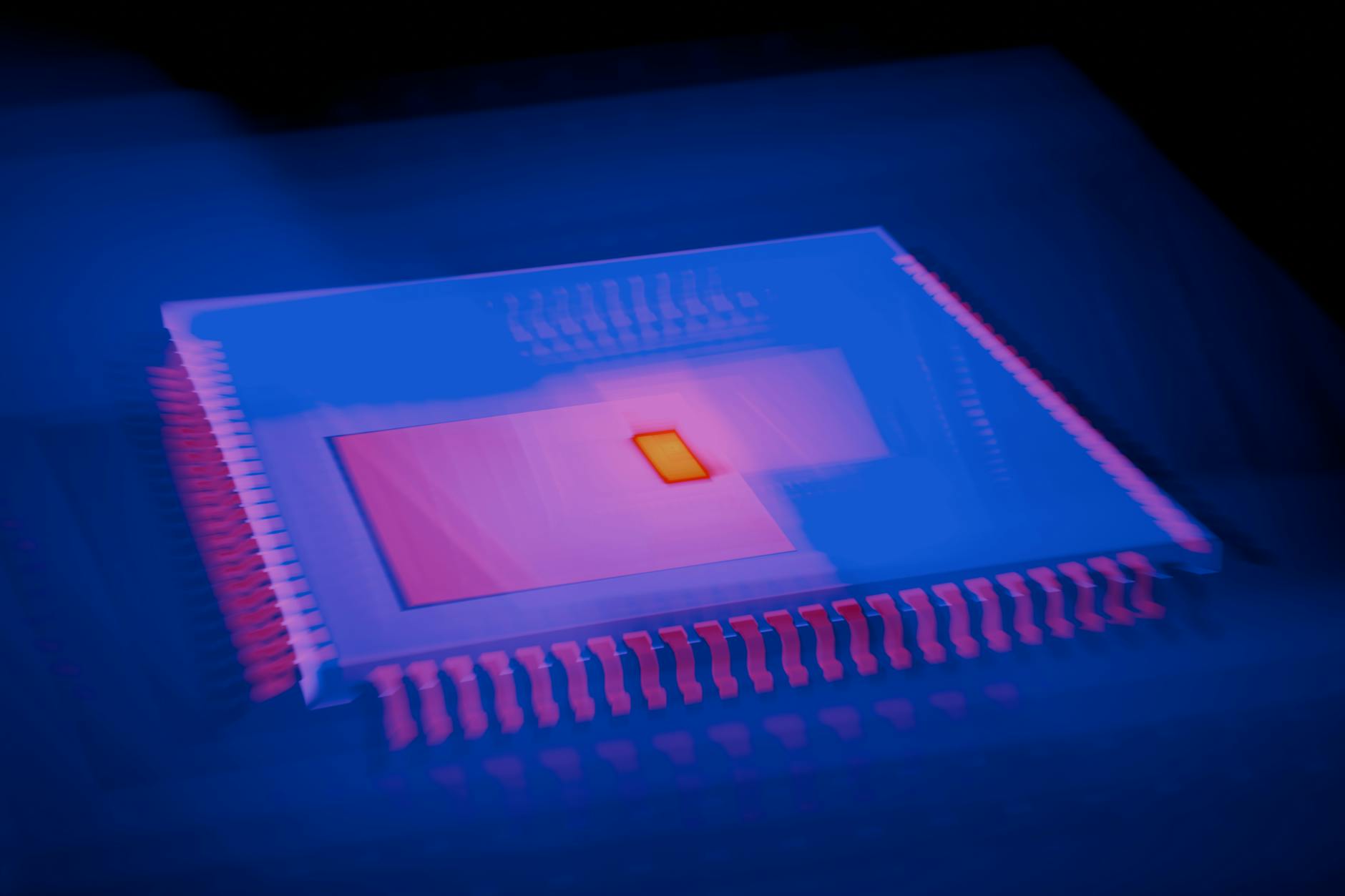
South Korea's Kospi stock market has surged to record highs, with two chipmakers, SK Hynix and Samsung Electronics, joining the trillion-dollar club, driven by explosive demand for AI chips, but experts warn of a potential boom-bust cycle.
The Rise of AI Chipmakers
The demand for chips used in AI has propelled SK Hynix and Samsung Electronics past the valuation threshold, with SK Hynix's market capitalization reaching $1.03 trillion and Samsung Electronics' market capitalization reaching $1.14 trillion. This growth has been fueled by the increasing adoption of AI technologies, with the global AI market expected to reach $190 billion by 2025, growing at a 38% compound annual growth rate (CAGR).
Market Comparison
- The South Korean Kospi index has outperformed other major stock markets, with a 25% year-to-date return compared to the S&P 500's 15% return and the Euro Stoxx 50's 10% return.
According to a report by CNBC, Broadcom's stock plunged due to weak software sales, highlighting the challenges faced by chipmakers in the AI era. However, as noted by IEEE Spectrum, the industry is shifting towards more specialized chip designs, with the global ASIC market expected to reach $30 billion by 2027.
What the Sceptics Say
Some experts argue that the Kospi index is too dependent on the performance of SK Hynix and Samsung Electronics, with the two companies accounting for over 40% of the index's market capitalization. This concentration of risk could lead to a sharp decline in the index if the AI chip market experiences a downturn.
What This Means for the Industry
The growth of the AI chip market is expected to continue, with Microsoft investing heavily in its quantum chip development, including the recent release of its Majorana 2 quantum chip. Other companies, such as Google and Alphabet, are also investing in AI research and development, with a focus on cloud-based AI solutions. Over the next 6-12 months, we can expect to see increased competition in the AI chip market, with new entrants emerging from Asia and the US.
Key Takeaways
- Engineers: Focus on developing specialized chip designs for AI applications, with a emphasis on low power consumption and high performance.
- Investors: Consider investing in companies with a strong focus on AI research and development, such as Microsoft and Google.
- Business Leaders: Develop a strategic plan for adopting AI technologies, with a focus on cloud-based solutions and specialized chip designs.
- Consumers: Expect to see increased adoption of AI-powered devices and services, with improved performance and efficiency.
Further Reading on AnalyticsGlobe
Sources
- The Guardian: Chip, chip ... boom? South Korea tech makers join the trillion-dollar club but some fear a short-circuit looms
- CNBC: Broadcom stock plunges on weak software sales, unchanged AI chip forecast for the year
- IEEE Spectrum: Finding Success in Industry as a Chip Designer
- AI News: Microsoft’s Majorana 2 quantum chip is also a case study for agentic AI in R&D
This article is published by AnalyticsGlobe for informational purposes only. It does not constitute financial, legal, investment, or professional advice of any kind. यह लेख केवल जानकारी के उद्देश्य से प्रकाशित किया गया है — कोई भी निर्णय लेने से पहले आधिकारिक स्रोतों से पुष्टि करें।
Priya Mehta
Published under the research and editorial standards of AnalyticsGlobe. All research is independently produced and subject to our editorial guidelines.