Shadowy Tactic: Tropic Trooper's SumatraPDF Ploy Unveils Deeper Threat
The Tropic Trooper campaign's use of a trojanized SumatraPDF reader to target Chinese-speaking individuals is part of a larger trend of APT groups exploiting open-source software and developer tools to gain unauthorized access. As the use of open-source software continues to grow, organizations must prioritize securing their software supply chains to mitigate the risk of cyber attacks.
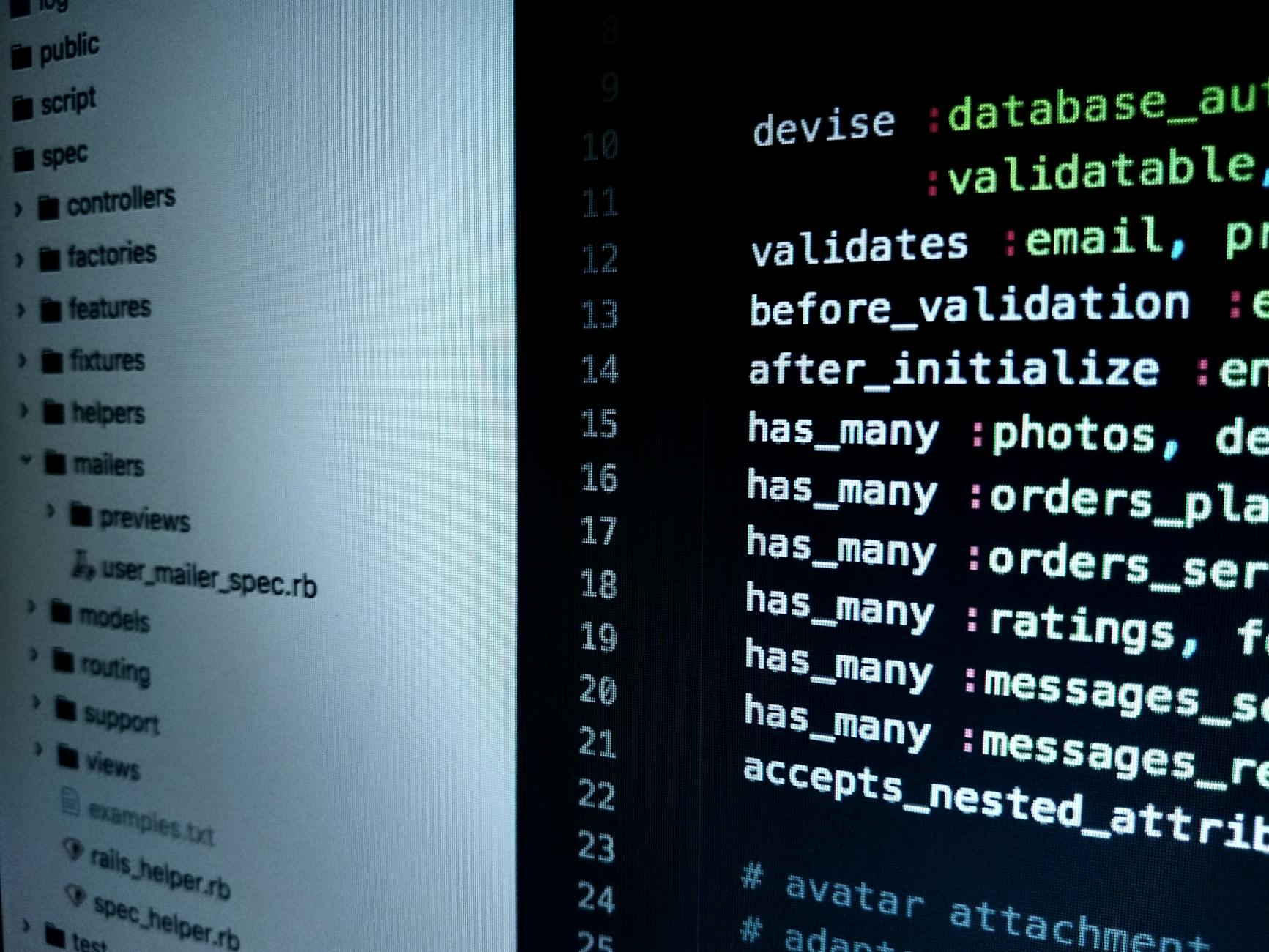
The recent discovery of Tropic Trooper's campaign using a trojanized SumatraPDF reader to target Chinese-speaking individuals highlights a broader, more intricate landscape of cyber threats, where attackers are increasingly leveraging open-source software and exploiting vulnerabilities in trusted applications to gain unauthorized access. This trend underscores a significant shift in the tactics, techniques, and procedures (TTPs) of advanced persistent threat (APT) groups, who are now focusing on compromising developer tools and software supply chains to achieve their objectives.
Exploiting Trust in Open-Source Software
The use of SumatraPDF, a popular open-source PDF reader, and the exploitation of Microsoft Visual Studio Code (VS Code) tunnels for remote access, demonstrate the evolving nature of cyber attacks. According to a report by the SANS Institute, 71% of organizations use open-source software, which can increase the attack surface if not properly secured. Moreover, the exploitation of VS Code, a widely-used integrated development environment (IDE), shows that attackers are targeting developer tools to gain access to sensitive information and systems.
Historical Context and Precedents
- In 2020, the SolarWinds supply chain attack highlighted the vulnerability of software supply chains, with attackers compromising the company's Orion platform to gain access to numerous government and private sector organizations.
- The 2017 NotPetya attack, attributed to Russian state-sponsored actors, used a compromised software update mechanism to spread malware globally, causing widespread disruption and financial losses.
"The increasing use of open-source software and developer tools by APT groups is a concerning trend, as it highlights the expanding attack surface and the need for organizations to implement robust security measures to protect their software supply chains," said Dr. Mary Ann Davidson, Chief Security Officer at Oracle.
What This Means for the Industry
In the next 6-12 months, we can expect to see a significant increase in attacks targeting software supply chains and open-source software. As the use of open-source software continues to grow, organizations must prioritize securing their software supply chains, including implementing robust testing and validation procedures for open-source components. The industry will also see a rise in the adoption of secure coding practices, such as secure by design and secure by default, to mitigate the risk of vulnerabilities in software. Furthermore, the use of artificial intelligence (AI) and machine learning (ML) to detect and respond to cyber threats will become more prevalent, as organizations seek to improve their incident response capabilities and reduce the mean time to detect (MTTD) and mean time to respond (MTTR) to cyber attacks.
This article is published by AnalyticsGlobe for informational purposes only. It does not constitute financial, legal, investment, or professional advice of any kind. Always conduct your own research and consult qualified professionals before making any decisions.
Ananya Rao
Published under the research and editorial standards of AnalyticsGlobe. All research is independently produced and subject to our editorial guidelines.