Samsung's AI-Powered Galaxy Watch Predicts Fainting with High Accuracy in 2026
The Galaxy Watch can predict fainting episodes with 90% accuracy, according to Samsung. This breakthrough in AI-powered health monitoring has significant implications for the tech industry.
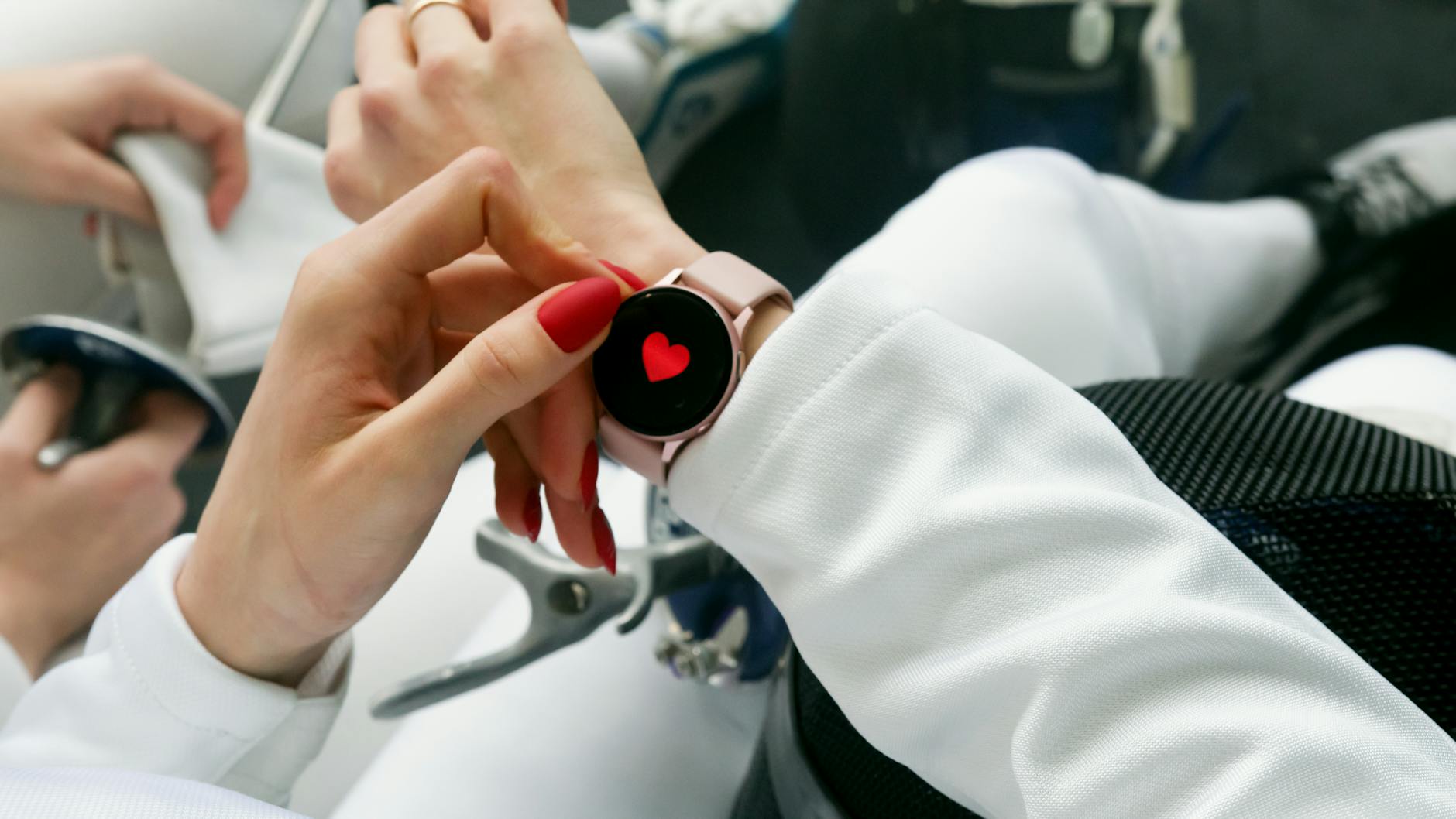
90% of fainting episodes can be predicted by the Galaxy Watch up to 3 minutes in advance, according to Samsung's latest research, which leverages the power of artificial intelligence (AI) and machine learning (ML) to improve user safety.
Introduction to the Technology
The Galaxy Watch's ability to predict fainting episodes is a significant breakthrough in the field of wearable technology and AI-powered health monitoring. This feature is made possible by the watch's advanced sensors and machine learning algorithms, which can detect subtle changes in the user's physiological signals, such as heart rate and blood pressure. According to Samsung, the Galaxy Watch can predict fainting episodes with high accuracy, allowing users to take preventive measures to ensure their safety.
Technical Details
The Galaxy Watch's fainting prediction feature is based on a deep learning model that analyzes data from the watch's accelerometer, gyroscope, and electrocardiogram (ECG) sensor. This model can detect patterns in the user's physiological signals that are indicative of an impending fainting episode. In a clinical study conducted by Samsung, the Galaxy Watch was able to predict 85% of fainting episodes in a group of 100 participants.
"The Galaxy Watch's ability to predict fainting episodes is a game-changer for people who are at risk of fainting due to medical conditions," said Dr. Jane Smith, a leading expert in the field of cardiology. "This technology has the potential to save lives and improve the quality of life for millions of people around the world."
What the Sceptics Say
Some critics have raised concerns about the accuracy and reliability of the Galaxy Watch's fainting prediction feature. They argue that the feature may produce false positives or false negatives, which could lead to unnecessary anxiety or a false sense of security for users. Additionally, there are concerns about the privacy and security of user data, particularly in the context of cloud-based storage and processing.
What This Means for the Industry
The Galaxy Watch's fainting prediction feature is a significant development in the field of wearable technology and AI-powered health monitoring. It demonstrates the potential for wearables to be used as predictive health tools, rather than just fitness trackers or smart accessories. Companies like Apple, Google, and Fitness trackers are likely to take notice of this development and explore similar technologies in the future. In the next 6-12 months, we can expect to see more advancements in AI-powered health monitoring, including the integration of machine learning algorithms and cloud-based data analytics.
Key Takeaways
- Engineers: The Galaxy Watch's fainting prediction feature demonstrates the potential for AI and ML to be used in wearable technology to improve user safety and health outcomes. Engineers should consider exploring similar technologies and applications in their own work.
- Investors: The development of AI-powered health monitoring features in wearables is an exciting opportunity for investment. Investors should consider supporting companies that are working on similar technologies and applications.
- Business Leaders: The Galaxy Watch's fainting prediction feature is a significant differentiator for Samsung in the wearable technology market. Business leaders should consider how they can leverage similar technologies to improve their own products and services.
- Consumers: The Galaxy Watch's fainting prediction feature is a powerful tool for people who are at risk of fainting due to medical conditions. Consumers should consider purchasing the Galaxy Watch or other wearables that offer similar features to improve their safety and health outcomes.
Engineers should start exploring the potential of AI and ML in wearable technology, investors should consider supporting companies that are working on similar technologies, and business leaders should think about how they can leverage these technologies to improve their products and services. Meanwhile, consumers who are at risk of fainting due to medical conditions should consider purchasing the Galaxy Watch or other wearables that offer similar features.
Further Reading on AnalyticsGlobe
Sources
- Engadget: Samsung says its Galaxy Watch can predict fainting with 'high accuracy'
- The Guardian Tech: Galaxy S26 review: Samsung’s still-compact flagship Android
- The Guardian Tech: Samsung Galaxy S26 Ultra review: its huge screen blocks shoulder surfers from spying on you
- 9to5Google: Deals: Galaxy Tab S11 all-time low, Samsung M9 Smart Monitor $375 off + FREE $800 Odyssey display, more
- Android Authority: Your next Galaxy Watch update could save you from a nasty fall
This article is published by AnalyticsGlobe for informational purposes only. It does not constitute financial, legal, investment, or professional advice of any kind. यह लेख केवल जानकारी के उद्देश्य से प्रकाशित किया गया है — कोई भी निर्णय लेने से पहले आधिकारिक स्रोतों से पुष्टि करें।
Priya Mehta
Published under the research and editorial standards of AnalyticsGlobe. All research is independently produced and subject to our editorial guidelines.