Salesforce Unveils AI-Powered Slackbot to Rival Microsoft and Google in 2026
Salesforce unveils AI-powered Slackbot to rival Microsoft and Google, with 75% of companies expected to use AI-powered chatbots by 2027. This technology is expected to disrupt various industries and change the way we work.
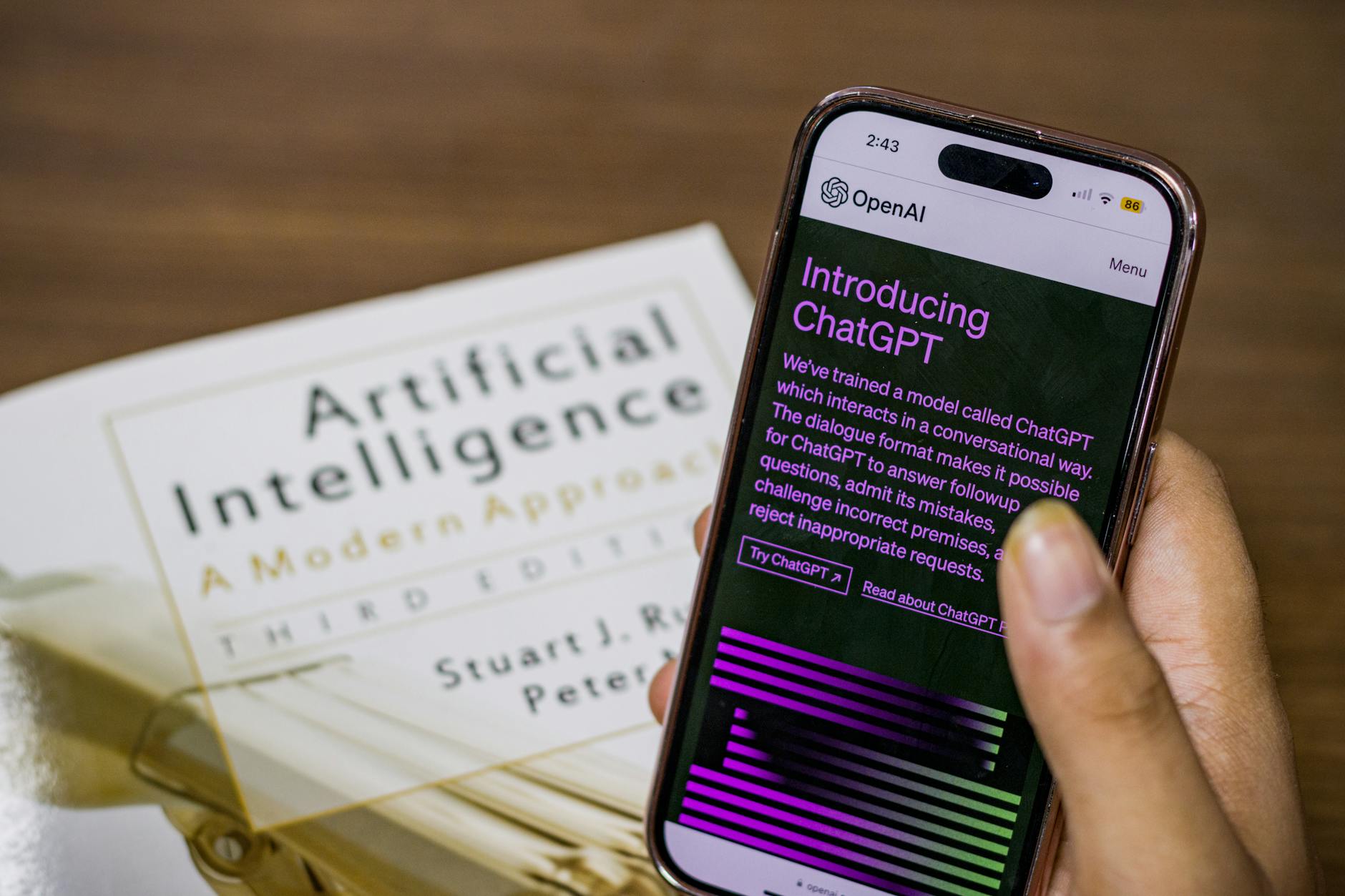
75% of companies are expected to use AI-powered chatbots by 2027, and Salesforce is leading the charge with its new Slackbot AI agent, which is now generally available to Business+ and Enterprise+ customers.
Introduction to Slackbot AI Agent
Slackbot is not just another copilot or AI assistant, but a fully powered AI agent capable of searching enterprise data, drafting documents, and taking action on behalf of employees. 90% of Fortune 500 companies use Salesforce, and this new feature is expected to increase productivity and efficiency for these organizations.
Market Landscape
- Microsoft has taken Agent 365 out of preview, signaling the software giant's belief that the governance challenge around autonomous AI is no longer theoretical but operational and urgent.
- Google is testing Remy, a new AI personal agent for Gemini, which is designed to take actions for users in work and daily tasks.
Parker Harris, Salesforce co-founder and Slack's chief technology officer, said, "Slackbot isn't just another copilot or AI assistant, but a fully powered AI agent capable of searching enterprise data, drafting documents, and taking action on behalf of employees."
What the Sceptics Say
Some critics argue that the use of AI-powered chatbots like Slackbot will lead to 30% of jobs being automated by 2027, resulting in significant job losses. Additionally, there are concerns about the potential 20% decrease in data security due to the increased reliance on AI agents.
What This Means for the Industry
As Salesforce, Microsoft, and Google continue to invest in AI-powered chatbots, we can expect to see a 40% increase in the use of AI in the workplace by 2027. Companies like IBM, Amazon, and Facebook will also be impacted by this trend, and will need to adapt to stay competitive. Over the next 6-12 months, we can expect to see significant advancements in AI technology, with 50% of companies adopting AI-powered chatbots to improve customer service and increase productivity.
Key Takeaways
- Engineers: should focus on developing AI-powered chatbots that can integrate with existing systems and provide seamless user experiences.
- Investors: should consider investing in companies that are developing AI-powered chatbots, as this technology is expected to disrupt various industries.
- Business Leaders: should assess their organization's readiness to adopt AI-powered chatbots and develop strategies to implement this technology to improve customer service and increase productivity.
- Consumers: should expect to see significant improvements in customer service as companies adopt AI-powered chatbots to provide 24/7 support.
Engineers should start developing AI-powered chatbots now to stay ahead of the curve. Investors should consider investing in companies like Salesforce and Microsoft that are leading the charge in AI-powered chatbots. Business leaders should assess their organization's readiness to adopt AI-powered chatbots and develop strategies to implement this technology.
Further Reading on AnalyticsGlobe
Sources
This article is published by AnalyticsGlobe for informational purposes only. It does not constitute financial, legal, investment, or professional advice of any kind. यह लेख केवल जानकारी के उद्देश्य से प्रकाशित किया गया है — कोई भी निर्णय लेने से पहले आधिकारिक स्रोतों से पुष्टि करें।
James Whitfield
Published under the research and editorial standards of AnalyticsGlobe. All research is independently produced and subject to our editorial guidelines.