Salesforce Unveils AI-Powered Slackbot Amid Local AI Trend
Salesforce launches AI-powered Slackbot amid local AI trend, with 80% of enterprises expected to adopt AI agents by 2029. The market is expected to grow to $13.4 billion by 2026.
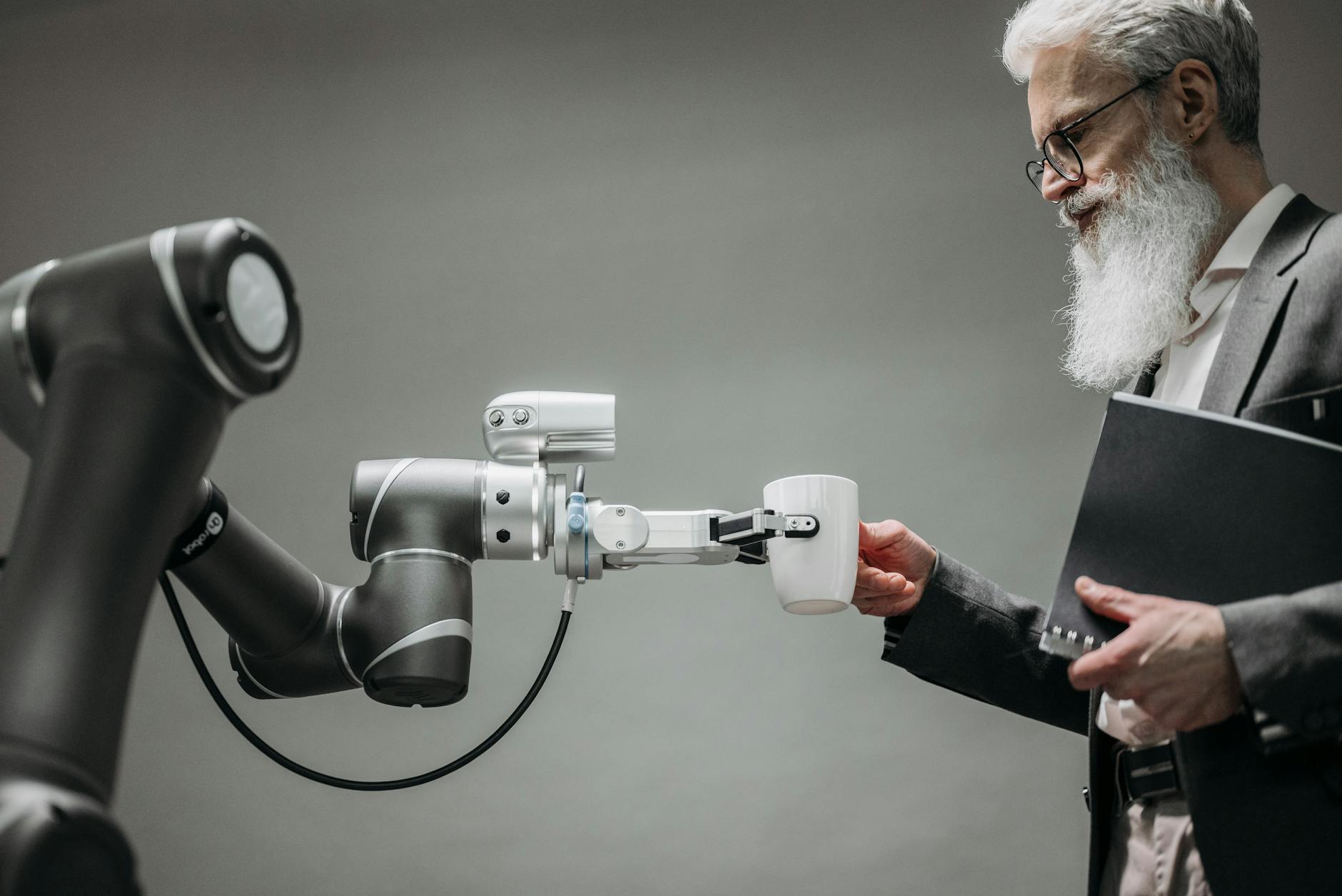
80% of enterprises will adopt AI agents by 2029, as Salesforce launches a rebuilt Slackbot to rival Microsoft and Google in the workplace AI market.
Introduction to Agentic AI
With the emergence of agentic AI, where software agents work alongside humans to complete complex tasks, companies like Salesforce, Microsoft, and Google are vying for dominance. Salesforce's new Slackbot, available to Business+ and Enterprise+ customers, is a significant step in this direction, offering features like searching enterprise data, drafting documents, and taking action on behalf of employees.
Market Landscape
The market for AI agents is expected to grow to $13.4 billion by 2026, with a compound annual growth rate (CAGR) of 34.6%. This growth is driven by the increasing demand for automation and the need for efficient workplace solutions. Companies like Microsoft, with its Agent 365, and Google, with its AI-powered tools, are also making significant strides in this space.
Parker Harris, Salesforce co-founder and Slack's chief technology officer, stated, "Slackbot isn't just another copilot or AI assistant. It's a fully powered AI agent capable of transforming the way we work."
What the Sceptics Say
Some critics argue that the adoption of AI agents in the workplace could lead to job displacement and increased cybersecurity risks. For instance, a report by Gartner found that 30% of jobs will be at risk due to automation by 2025. Moreover, the use of AI agents could also lead to a loss of human touch in the workplace, potentially negatively impacting employee morale and productivity.
What This Means for the Industry
As the agentic AI market continues to grow, companies like Salesforce, Microsoft, and Google will need to innovate and adapt to changing consumer demands. In the next 6-12 months, we can expect to see significant advancements in AI-powered workplace tools, with a focus on local AI and security. Companies like Meta and xAI are also expected to make significant contributions to this space, with the potential to disrupt the market.
Key Takeaways
- Engineers: Focus on developing AI agents that can integrate seamlessly with existing workplace tools and prioritize security and data protection.
- Investors: Look for companies that are investing heavily in agentic AI and local AI, as these are expected to be key areas of growth in the next 6-12 months.
- Business Leaders: Consider adopting AI-powered workplace tools to increase efficiency and productivity, but also prioritize employee training and development to ensure a smooth transition.
- Consumers: Be aware of the potential risks and benefits of AI agents in the workplace and stay informed about the latest developments in this space.
As engineers, investors, and business leaders, it is essential to stay ahead of the curve and adapt to the changing landscape of agentic AI. Engineers should focus on developing secure and efficient AI agents, investors should look for companies with a strong AI strategy, and business leaders should prioritize employee training and development.
Further Reading on AnalyticsGlobe
Sources
- VentureBeat: Salesforce rolls out new Slackbot AI agent as it battles Microsoft and Google in workplace AI
- VentureBeat: Microsoft takes Agent 365 out of preview as shadow AI becomes an enterprise threat
- BBC Technology: US to safety test new AI models from Google, Microsoft, xAI
- CNBC Technology: The Tech Download: Meta, Google enter AI agent race as ‘agentic wars’ heat up
- Forbes Innovation: Google And Microsoft Warn Passkeys May Not Stop Hackers
This article is published by AnalyticsGlobe for informational purposes only. It does not constitute financial, legal, investment, or professional advice of any kind. यह लेख केवल जानकारी के उद्देश्य से प्रकाशित किया गया है — कोई भी निर्णय लेने से पहले आधिकारिक स्रोतों से पुष्टि करें।
Marcus Chen
Published under the research and editorial standards of AnalyticsGlobe. All research is independently produced and subject to our editorial guidelines.