Robotics Revolution: AI-Powered Table Tennis Ushers New Era
The victory of Sony's AI robot, Ace, in a table tennis match against human players marks a significant milestone in the development of physical AI, a category that is poised to disrupt industries beyond gaming and entertainment. With the global robotics market projected to reach $135 billion by 2025, Ace's win is not just a novelty, but a harbinger of a new era in human-machine interaction, with significant implications for industries like manufacturing, logistics, and healthcare.
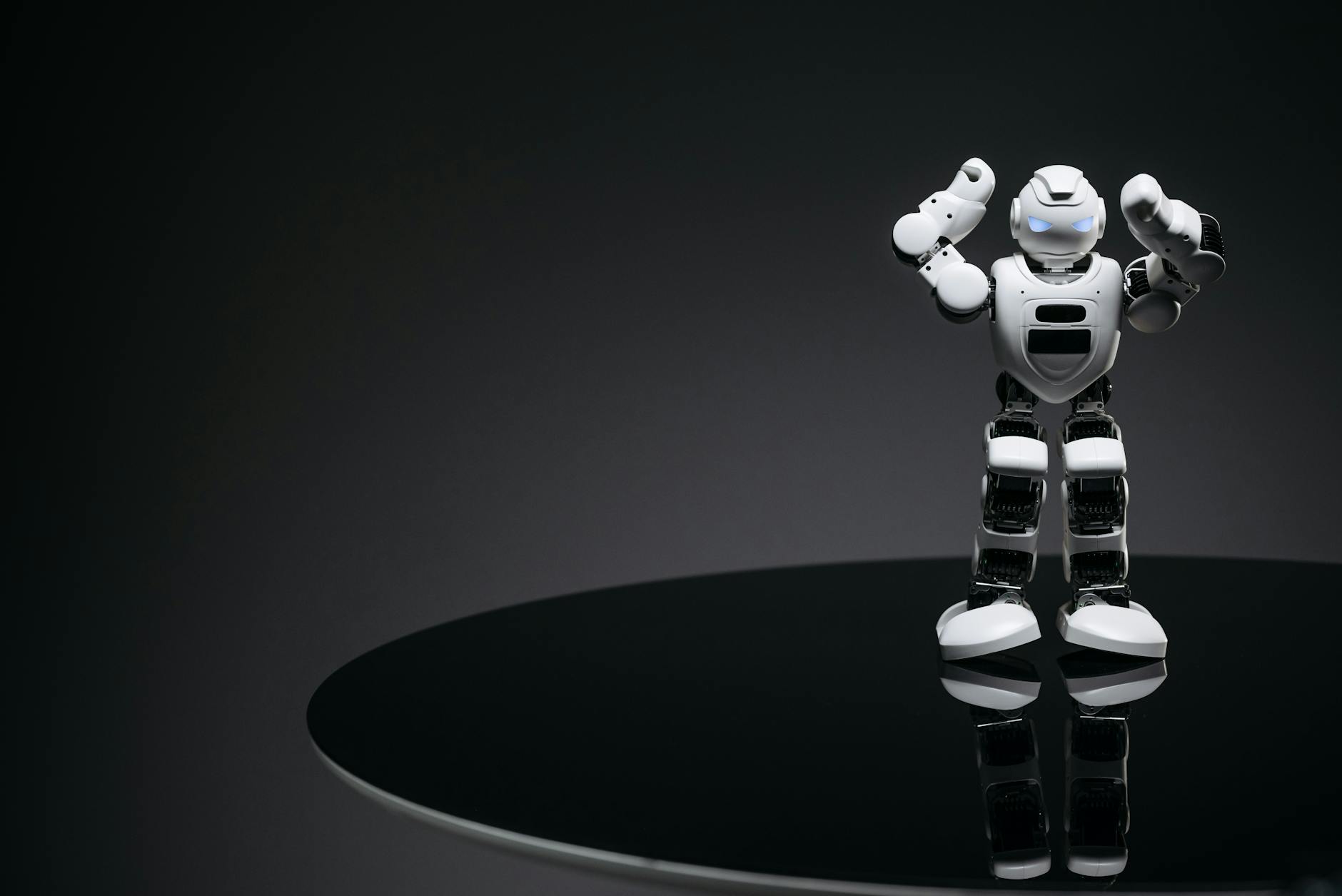
The recent victory of Sony's AI robot, Ace, in a table tennis match against human players marks a significant milestone in the development of physical AI, a category that is poised to disrupt industries beyond gaming and entertainment. With the global robotics market projected to reach $135 billion by 2025, Ace's win is not just a novelty, but a harbinger of a new era in human-machine interaction.
The Rise of Physical AI
Physical AI refers to the application of artificial intelligence to machines operating in real-world environments, enabling them to interact with and adapt to their surroundings. This technology has far-reaching implications, from manufacturing and logistics to healthcare and education. Ace, the table tennis robot, is a prime example of physical AI in action, leveraging computer vision, machine learning, and robotics to outmaneuver its human opponents.
Competing Technologies and Market Landscape
- Google's DeepMind has developed a similar table tennis robot, demonstrating the growing interest in physical AI among tech giants.
- Startups like Robotic Vision Technologies and Vecna Robotics are also making significant strides in the field, with applications in warehouse management and materials handling.
- The increasing availability of affordable and efficient hardware components, such as GPUs and sensors, is driving innovation in physical AI.
"The potential of physical AI is enormous, and we're just beginning to scratch the surface of what's possible," says Dr. Ken Goldberg, a renowned expert in robotics and AI. "As we continue to advance the technology, we can expect to see significant improvements in areas like productivity, safety, and quality of life."
What This Means for the Industry
In the next 6-12 months, we can expect to see increased investment in physical AI research and development, as well as the emergence of new applications and use cases. The integration of physical AI with other technologies, such as computer vision and natural language processing, will also become more prevalent. As the technology continues to mature, we can anticipate significant improvements in areas like robotics, autonomous systems, and human-machine interaction. The impact of physical AI will be felt across industries, from manufacturing and logistics to healthcare and education, and will likely lead to the creation of new job categories and business opportunities.
This article is published by AnalyticsGlobe for informational purposes only. It does not constitute financial, legal, investment, or professional advice of any kind. Always conduct your own research and consult qualified professionals before making any decisions.
James Whitfield
Published under the research and editorial standards of AnalyticsGlobe. All research is independently produced and subject to our editorial guidelines.