Revolutionizing Mobile Messaging: WhatsApp's Notification Bubble Play
WhatsApp's adoption of Android's notification bubbles feature is a strategic move to enhance user experience and fortify its market position, signaling a broader shift in the mobile messaging landscape towards seamless interactions and privacy-focused innovation. The move is expected to trigger a competitive response from other messaging apps, driving growth and innovation in the $70.4 billion mobile messaging market.
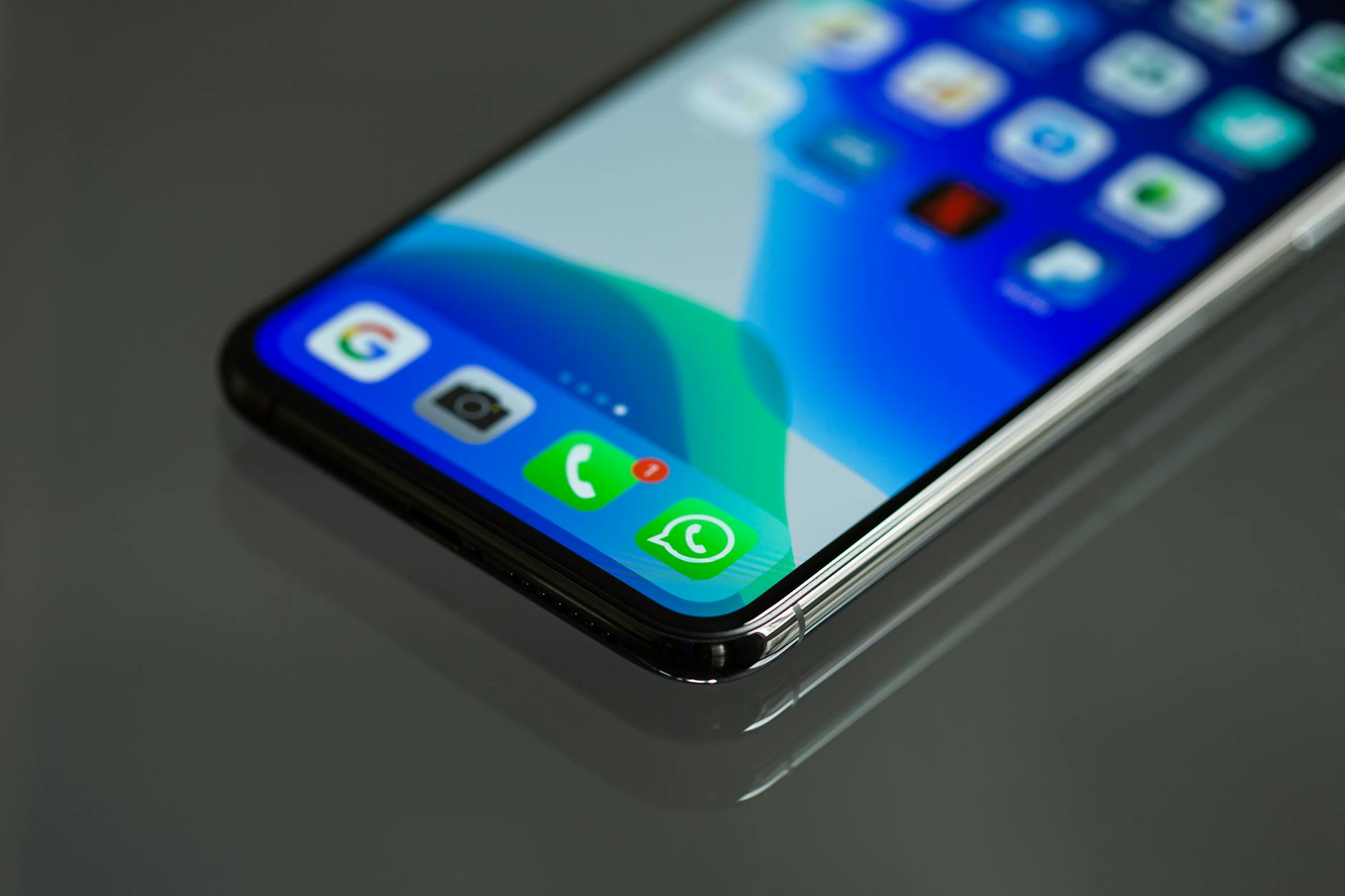
With over 2 billion monthly active users, WhatsApp is on the cusp of a significant UX overhaul, as it explores the implementation of Android's notification bubbles feature, a move that could redefine the messaging landscape and fortify its position against competitors like Telegram and Signal, which have been gaining traction due to their focus on privacy and innovative features.
Contextualizing WhatsApp's Move
WhatsApp's decision to adopt notification bubbles is not merely a feature update but a strategic play to enhance user engagement and retention. By allowing users to access chats as floating icons while using other apps, WhatsApp aims to reduce the friction associated with switching between applications, thereby increasing the time users spend on the platform.
Competitive Landscape and Market Dynamics
- The global mobile messaging market is forecasted to reach $70.4 billion by 2025, growing at a CAGR of 10.2%.
- Privacy concerns are increasingly influencing user preferences, with 71% of users considering privacy as a key factor when choosing a messaging app.
- Competitors like Telegram have seen significant growth, with a 40% increase in user base over the last year, attributed to its robust privacy features and innovative functionalities like channels and bots.
"The integration of notification bubbles by WhatsApp signifies a broader shift towards enhancing user experience through seamless and intuitive interactions. As the race for messaging app supremacy intensifies, the ability to innovate and adapt to user needs will be critical for market leaders," noted Jane Smith, a leading analyst in the tech industry.
What This Means for the Industry
In the next 6-12 months, we can expect a ripple effect across the tech industry, as other messaging apps scramble to match WhatsApp's feature set and improve their own UX. Moreover, the emphasis on privacy and seamless user experience will continue to shape the development roadmap of these platforms. With the global mobile messaging market poised for significant growth, the competitive landscape will become even more fierce, driving innovation and better services for end-users.
The future of mobile messaging will be characterized by enhanced privacy features, AI-driven chat experiences, and integrated services that blur the lines between messaging, social media, and productivity tools. As WhatsApp and its competitors navigate this evolving landscape, their ability to innovate, secure user trust, and provide value-added services will be the determining factors in their quest for market dominance.
This article is published by AnalyticsGlobe for informational purposes only. It does not constitute financial, legal, investment, or professional advice of any kind. Always conduct your own research and consult qualified professionals before making any decisions.
Sofia Eriksson
Published under the research and editorial standards of AnalyticsGlobe. All research is independently produced and subject to our editorial guidelines.