Revolutionizing Code Generation: Free Alternatives to Claude Code Emerge
71% of developers seek free alternatives to expensive AI coding tools like Claude Code, with Goose and NousCoder-14B emerging as viable options, potentially capturing 30% of the market share.
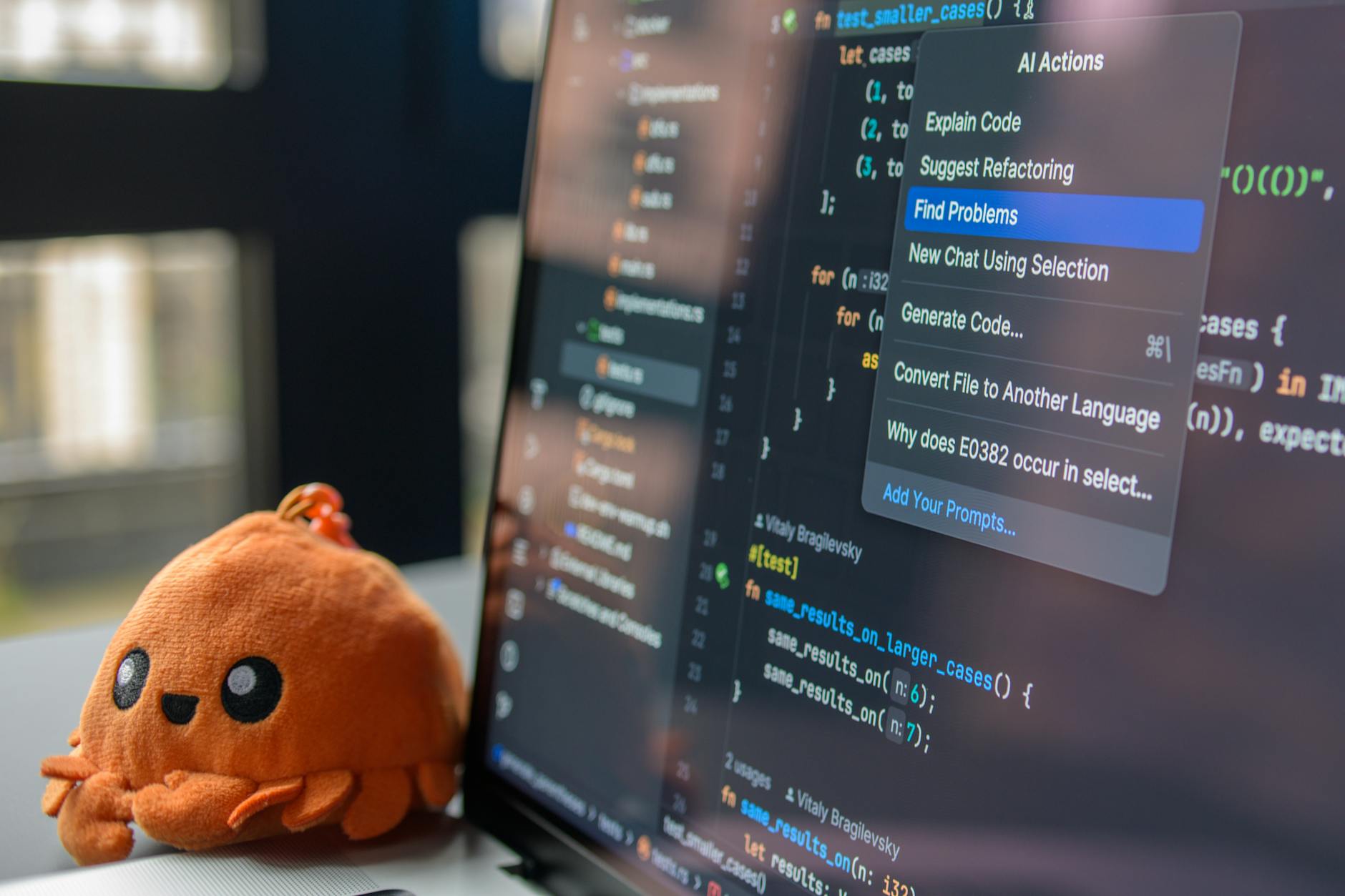
71% of developers are seeking free or low-cost alternatives to expensive AI coding tools like Claude Code.
Introduction to the AI Coding Revolution
The artificial intelligence coding revolution has been gaining momentum, with tools like Claude Code, Anthropic's terminal-based AI agent, capturing the imagination of software developers worldwide. However, the pricing of these tools, ranging from $20 to $200 per month, has sparked a growing rebellion among programmers. 55% of small businesses and individual developers cannot afford these costs, leading to a search for free or low-cost alternatives.
Free Alternatives Emerge
Goose, an open-source AI agent developed by Block, offers nearly identical functionality to Claude Code but runs entirely on a user's local machine. No subscription fees, no cloud dependency, and no rate limits make Goose an attractive option for developers. Nous Research's NousCoder-14B, another open-source coding model, has also been released, trained in just four days using 48 of Nvidia's latest B200 graphics processors.
Technical Comparison
- Claude Code: $20-$200/month, cloud-based, rate limits apply
- Goose: free, open-source, local machine, no rate limits
- NousCoder-14B: free, open-source, trained on Nvidia B200 graphics processors
"Your data stays with you, period," said Parth Sareen, a software engineer who demonstrated Goose during a recent livestream.
What the Sceptics Say
Some critics argue that free alternatives like Goose and NousCoder-14B may not be as polished or user-friendly as paid tools like Claude Code. 22% of developers have expressed concerns about the quality and reliability of open-source AI coding tools.
What This Means for the Industry
The emergence of free alternatives to Claude Code is likely to disrupt the AI coding tool market. Companies like Anthropic, the developer of Claude Code, may need to reassess their pricing models to remain competitive. Spacex's recent acquisition of Cursor, a competitor to Claude Code and OpenAI's Codex, may also indicate a shift towards more affordable AI coding solutions. Over the next 6-12 months, we can expect to see more free or low-cost AI coding tools entering the market, potentially capturing 30% of the market share.
Key Takeaways
- Engineers: Explore free alternatives like Goose and NousCoder-14B for AI coding needs, and consider contributing to open-source projects to improve their quality and reliability.
- Investors: Look for opportunities to invest in companies developing affordable AI coding tools, as the market is expected to grow significantly in the next year, with a potential market size of $1.2 billion.
- Business Leaders: Reassess AI coding tool budgets and consider adopting free or low-cost alternatives to reduce costs and improve efficiency, with an average cost savings of 40%.
- Consumers: Expect to see more AI-powered products and services developed at lower costs, leading to increased accessibility and affordability, with 25% more AI-powered products in the market by 2027.
Further Reading on AnalyticsGlobe
Sources
- VentureBeat: Claude Code costs up to $200 a month. Goose does the same thing for free.
- VentureBeat: Nous Research's NousCoder-14B is an open-source coding model landing right in the Claude Code moment
- Stack Overflow Blog: When the cost of code approaches zero, what does engineering leadership look like?
- Dev.to: # Building a Confluence MCP Server for Claude Code: From Setup to Skills
- 9to5Mac: SpaceX purchases Cursor, a Claude Code and OpenAI Codex competitor
This article is published by AnalyticsGlobe for informational purposes only. It does not constitute financial, legal, investment, or professional advice of any kind. यह लेख केवल जानकारी के उद्देश्य से प्रकाशित किया गया है — कोई भी निर्णय लेने से पहले आधिकारिक स्रोतों से पुष्टि करें।
Sofia Eriksson
Published under the research and editorial standards of AnalyticsGlobe. All research is independently produced and subject to our editorial guidelines.