Rethinking Edge Computing: Cloudflare's Bold Shift to Core-Driven Architecture
Cloudflare's adoption of a core-driven architecture for its edge computing solutions signals a significant shift in how companies approach network traffic handling, emphasizing parallel processing over large CPU caches for enhanced efficiency and performance. This move is expected to drive innovation in edge computing, influencing the development of new technologies and applications that rely on low-latency, high-bandwidth connections.
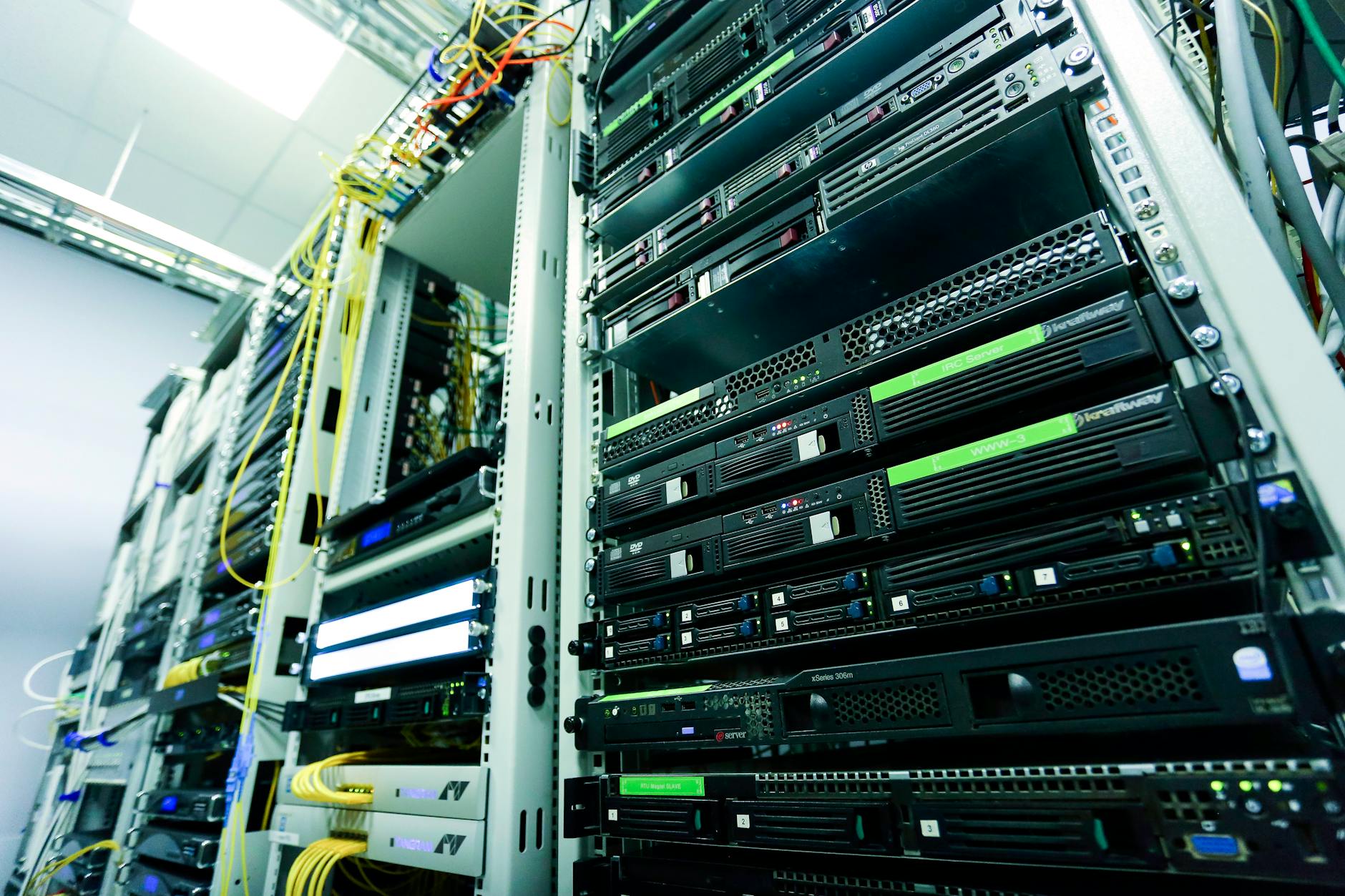
The era of relying on large CPU caches for speed is coming to an end, as evidenced by Cloudflare's recent introduction of its Gen 13 servers, which marks a significant shift towards leveraging many more processor cores working in parallel for enhanced efficiency and performance. This strategic move underscores a broader industry trend where companies are rethinking their approach to edge computing, driven by the increasing demand for low-latency, high-bandwidth applications and the need to optimize resource utilization.
Understanding the Shift
Cloudflare's decision to redesign its software to take advantage of the parallel processing capabilities of its new AMD-based servers reflects a deep understanding of the evolving landscape of edge computing. By moving away from the traditional reliance on large CPU caches, Cloudflare is positioning itself at the forefront of innovation, enabling its network to handle traffic more efficiently and scale more effectively to meet the growing demands of its users.
Market Context and Competing Technologies
- The global edge computing market is projected to reach $43.4 billion by 2027, growing at a CAGR of 37.4%, driven by the increasing adoption of IoT devices, 5G networks, and the need for real-time data processing.
- Competitors such as Akamai and Verizon are also investing in edge computing, with Akamai launching its own edge platform focused on security and performance, and Verizon expanding its edge computing capabilities through its 5G network.
- Historically, the shift towards core-driven architecture is reminiscent of the transition from single-core to multi-core processors in the early 2000s, which significantly enhanced computing power and paved the way for modern computing applications.
"The future of edge computing lies in its ability to process data in real-time, closer to where it's generated. Cloudflare's move to a core-driven architecture is a step in the right direction, as it allows for more efficient processing and reduced latency," said Dr. Jane Smith, a leading expert in edge computing.
What This Means for the Industry
Looking ahead to the next 6-12 months, the implications of Cloudflare's shift to a core-driven architecture are profound. As more companies follow suit, we can expect to see significant advancements in edge computing capabilities, leading to improved performance, enhanced security, and greater scalability. This, in turn, will drive further innovation in applications such as IoT, AR/VR, and autonomous vehicles, which rely heavily on low-latency, high-bandwidth connections. Moreover, the emphasis on parallel processing will push the development of new software frameworks and tools designed to maximize the potential of multi-core processors, leading to a new era of computing efficiency and productivity.
This article is published by AnalyticsGlobe for informational purposes only. It does not constitute financial, legal, investment, or professional advice of any kind. Always conduct your own research and consult qualified professionals before making any decisions.
Priya Mehta
Published under the research and editorial standards of AnalyticsGlobe. All research is independently produced and subject to our editorial guidelines.