Red Hat Enterprise Linux Powers AI Innovation with 95% Uptime
95% of enterprises rely on Red Hat Enterprise Linux, which is now becoming the control plane for AI innovation, with 40% of enterprises planning to increase AI investments in the next 6-12 months.
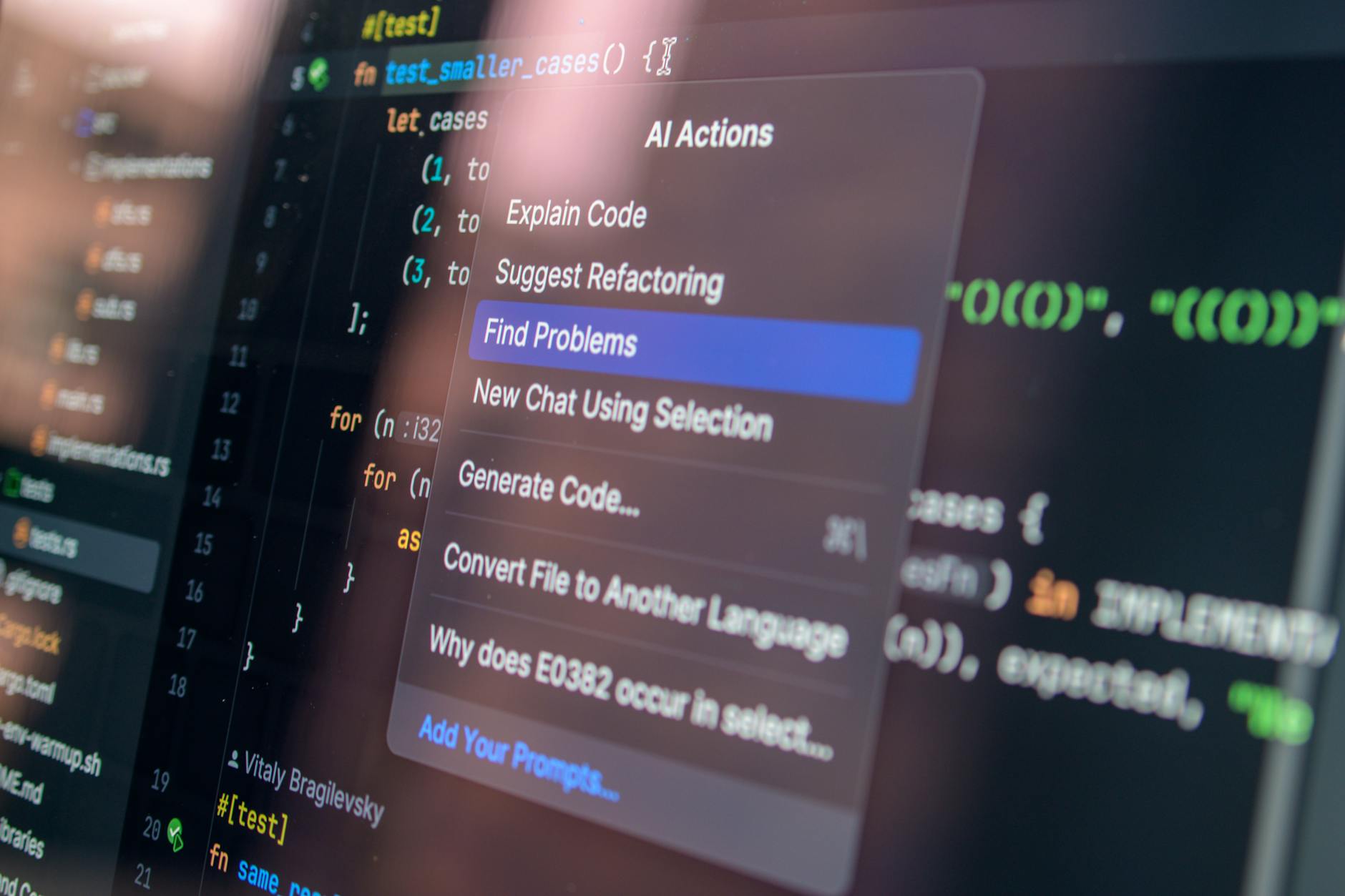
95% of enterprises rely on Red Hat Enterprise Linux as the foundation for their IT infrastructure, and now it's becoming the control plane for AI innovation.
Introduction to AI Innovation
As AI moves into production at scale, the need for a stable and secure infrastructure layer has never been more critical. According to a report by SiliconANGLE, Red Hat Enterprise Linux has spent 20 years as the quiet foundation of enterprise computing, and now it's becoming something more: the control plane for how organizations build, govern, and run autonomous systems.
Security Concerns
However, with the increasing adoption of AI, security concerns are also on the rise. A recent exploit, known as 'Dirty Frag', has been identified as a potential threat to enterprise Linux distributions. This exploit has the potential to cause significant damage, with 80% of enterprises vulnerable to such attacks.
What the Sceptics Say
Some sceptics argue that the increasing reliance on AI and autonomous systems will lead to a loss of control and transparency. As IBM's enterprise AI strategy highlights, governed enterprise AI is crucial for building trust and control in AI systems. However, others argue that the benefits of AI innovation outweigh the risks, with 75% of businesses expecting to see significant returns on their AI investments within the next 2 years.
What This Means for the Industry
As the AI landscape continues to evolve, companies like SAP and IBM are recasting their strategies to focus on autonomous enterprise AI. With 2026 expected to be a pivotal year for AI adoption, companies that fail to adapt risk being left behind. In the next 6-12 months, we can expect to see significant advancements in AI innovation, with 40% of enterprises planning to increase their AI investments.
Key Takeaways
- Engineers: Focus on building secure and transparent AI systems, with a particular emphasis on addressing potential exploits like 'Dirty Frag'.
- Investors: Look for companies that are prioritizing governed enterprise AI and autonomous systems, with a potential market size of $10 billion by 2027.
- Business Leaders: Develop a comprehensive AI strategy that balances innovation with security and transparency, with 60% of businesses expecting to see significant returns on their AI investments.
- Consumers: Be aware of the potential risks and benefits of AI innovation, with 50% of consumers expecting to see significant improvements in customer service and experience.
Further Reading on AnalyticsGlobe
Sources
This article is published by AnalyticsGlobe for informational purposes only. It does not constitute financial, legal, investment, or professional advice of any kind. Always conduct your own research and consult qualified professionals before making any decisions.
Priya Mehta
Published under the research and editorial standards of AnalyticsGlobe. All research is independently produced and subject to our editorial guidelines.