Ransomware Attacks on IoT Devices Intensify, ADT Breach Exposed
The ADT data breach following a ransom threat highlights the growing vulnerability of IoT devices to sophisticated ransomware attacks, emphasizing the need for robust security measures in the rapidly expanding smart home market. As the global smart home market continues to grow, reaching $146 billion by 2025, companies must balance innovation with enhanced security to protect against escalating cyber threats.
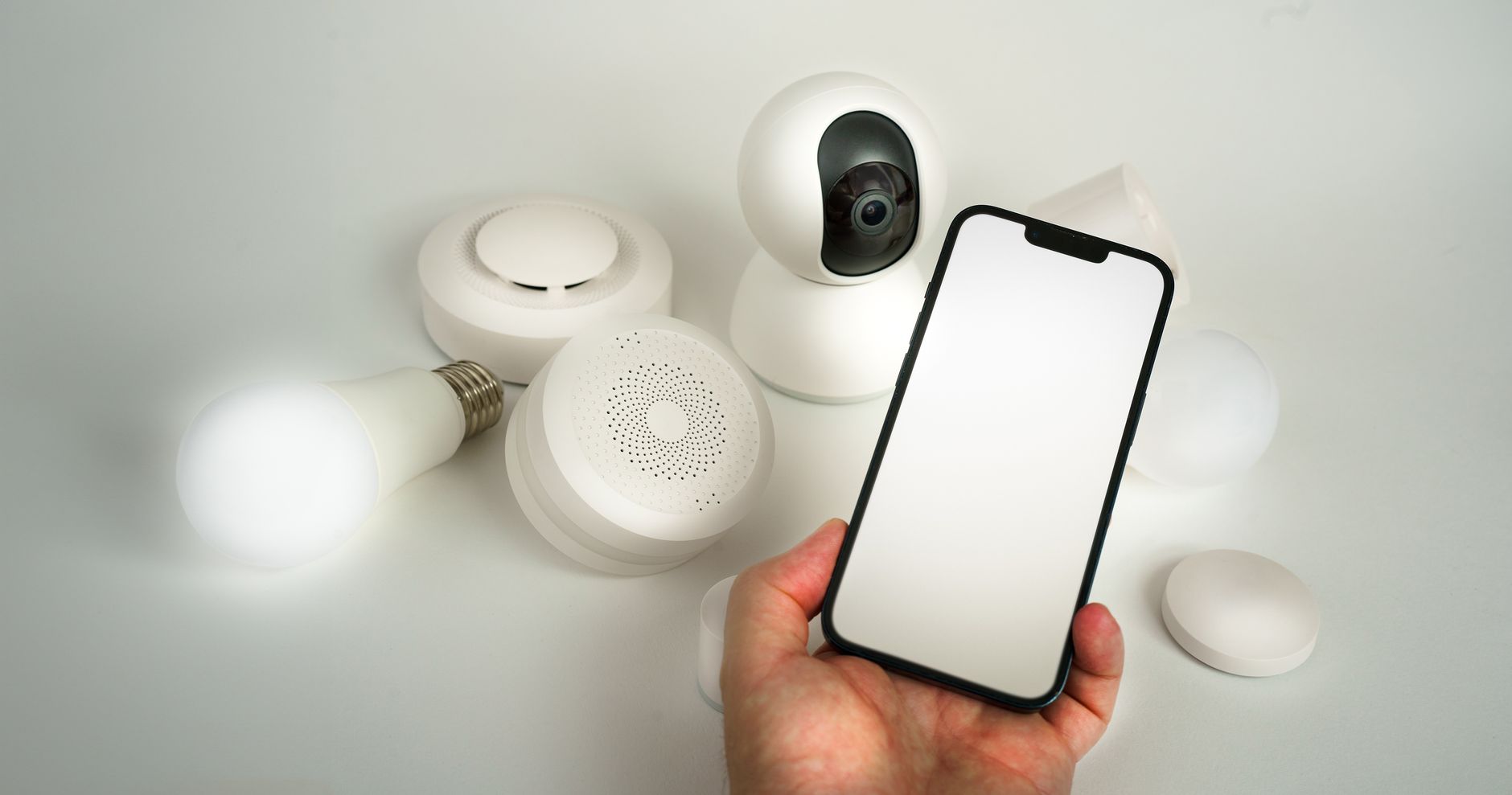
The recent ADT data breach, following a ransom threat from the ShinyHunters extortion group, underscores a growing concern in the cybersecurity world: the escalating vulnerability of IoT devices to sophisticated ransomware attacks. This trend is particularly alarming given that the global smart home market, which ADT operates in, is projected to reach $146 billion by 2025, with over 12 billion connected devices expected to be in use by 2023, according to a report by MarketsandMarkets. The intersection of IoT growth and cyber threats presents a complex challenge for companies like ADT, which must balance innovation with robust security measures.
Understanding the ADT Breach
The breach highlights the expanding threat landscape for home security systems and IoT devices. Unlike traditional computing devices, IoT devices often have less powerful processors and memory, making them more difficult to secure with conventional antivirus software. Furthermore, many IoT devices are connected to the internet, increasing their vulnerability to hacking and data breaches.
Market Context and Competing Technologies
- The smart home security market is highly competitive, with players like Vivint, Ring, and Nest, posing significant challenges for ADT in terms of both innovation and security.
- Technological advancements in AI and ML are being leveraged to enhance security features in smart devices, but these also introduce new vulnerabilities if not properly secured.
- Regulatory frameworks, such as GDPR in Europe and CCPA in California, are evolving to address data privacy concerns, but more needs to be done specifically for IoT security.
According to Dr. Diana Burley, a cybersecurity expert, "The key to mitigating these risks is not just about adopting the latest security technologies but also about fostering a culture of cybersecurity within organizations and among consumers. This includes regular software updates, strong passwords, and employee training on cybersecurity best practices."
What This Means for the Industry
The ADT breach serves as a wake-up call for the industry, emphasizing the need for proactive and multi-layered security approaches. Over the next 6-12 months, we can expect to see significant investments in IoT security, including the development of more robust encryption methods, improved patch management for IoT devices, and enhanced consumer education on cybersecurity. Moreover, there will be a push towards regulatory standards that specifically address the security of IoT devices, potentially leading to stricter compliance requirements for manufacturers and service providers.
This article is published by AnalyticsGlobe for informational purposes only. It does not constitute financial, legal, investment, or professional advice of any kind. Always conduct your own research and consult qualified professionals before making any decisions.
Sofia Eriksson
Published under the research and editorial standards of AnalyticsGlobe. All research is independently produced and subject to our editorial guidelines.