Prime Day Tech Deals Pushing AI-Powered Vacuum Sales in 2026
Prime Day sales are driving AI-powered vacuum sales with over 50% of shoppers seeking smart home devices. The global smart home market is projected to reach $146 billion by 2025.
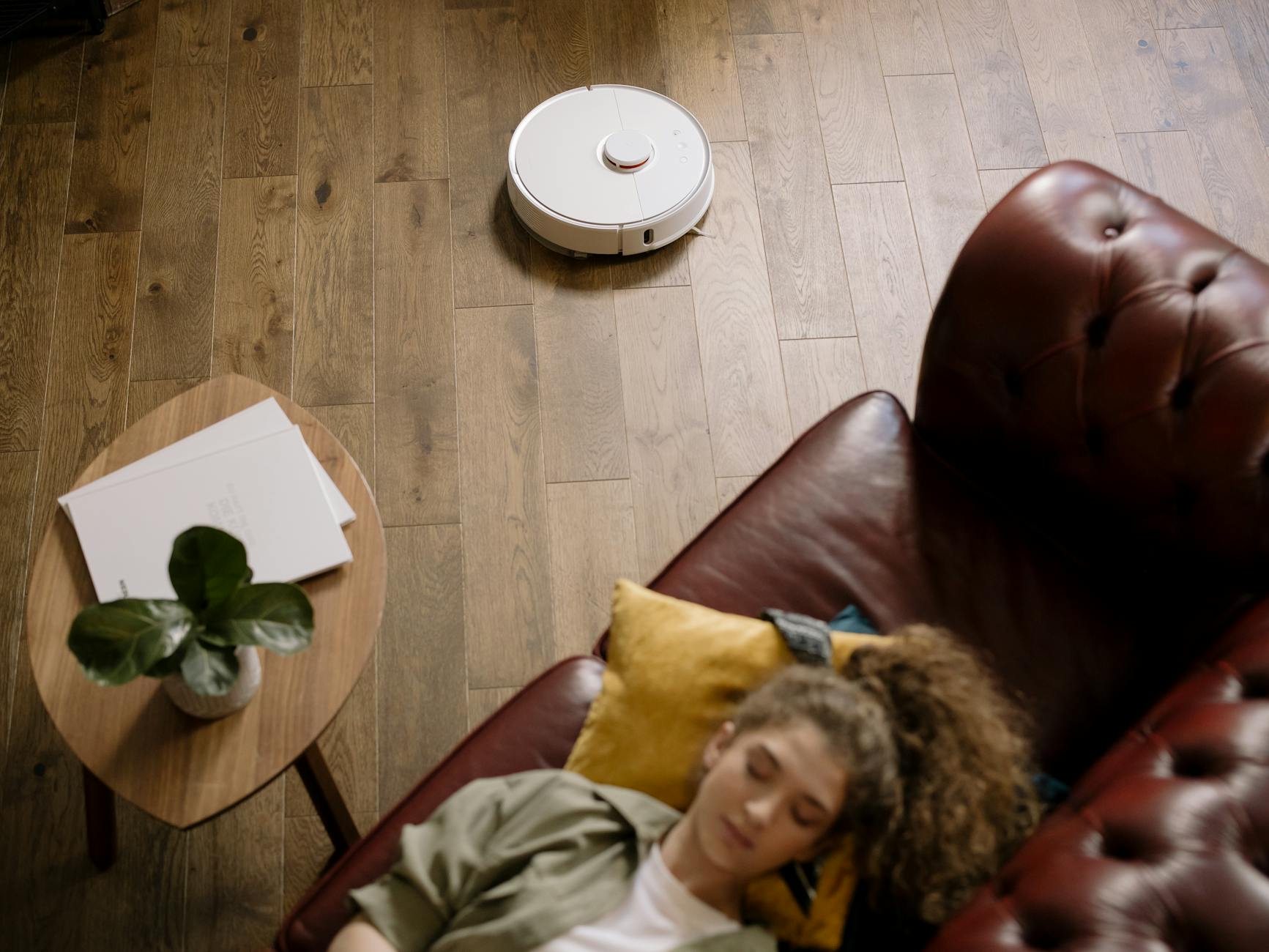
Over 50% of Prime Day shoppers are seeking AI-driven home devices, with robot vacuum sales expected to surge as Amazon and competitors like Best Buy and Walmart offer significant discounts during the annual shopping event.
Market Trends and Insights
The current Prime Day sales, featuring 16 top robot vacuum deals as highlighted by The Verge, reflect a broader trend of increasing interest in smart home technology and AI-powered devices. This is further evidenced by the trending discussions on platforms like Hacker News, where topics such as OpenAI's custom chip and advancements in image models are garnering significant attention.
Industry Context
- The global smart home market is projected to reach $146 billion by 2025, growing at a CAGR of 11.9% from 2020 to 2025, according to a report by MarketsandMarkets.
- 70% of households in the United States are expected to adopt smart home devices by 2026, driven by the convenience, energy efficiency, and enhanced security they offer.
"The integration of AI in home devices, such as robot vacuums, marks a significant shift towards intelligent living spaces that can adapt and respond to user needs," noted a technology analyst.
What the Sceptics Say
Some critics argue that the emphasis on AI-powered devices during Prime Day could lead to over-reliance on technology for everyday tasks, potentially diminishing traditional skills and increasing vulnerability to technological failures or cybersecurity breaches.
What This Means for the Industry
For companies like Amazon, Best Buy, and Walmart, the success of Prime Day sales will be a key indicator of consumer appetite for AI-driven home devices. Companies like iRobot and Neato are well-positioned to capitalize on this trend, with their advanced robot vacuum models offering features like self-emptying dustbins and personalized cleaning plans. Over the next 6-12 months, we can expect to see further innovations in smart home technology, including more sophisticated AI integration and enhanced user interfaces.
Key Takeaways
- Engineers: Focus on developing more efficient and user-friendly AI algorithms for smart home devices, prioritizing security and privacy in design.
- Investors: Consider investments in startups and established companies that are driving innovation in AI-powered home devices, particularly those with a focus on sustainability and energy efficiency.
- Business Leaders: Develop strategies to integrate AI-driven solutions into product lines, emphasizing customer education and support to enhance user experience and loyalty.
- Consumers: Look for devices with intuitive interfaces and clear privacy policies, considering both the benefits and potential drawbacks of adopting AI-powered home technology.
Further Reading on AnalyticsGlobe
Sources
This article is published by AnalyticsGlobe for informational purposes only. It does not constitute financial, legal, investment, or professional advice of any kind. यह लेख केवल जानकारी के उद्देश्य से प्रकाशित किया गया है — कोई भी निर्णय लेने से पहले आधिकारिक स्रोतों से पुष्टि करें।
Rahul Nair
Published under the research and editorial standards of AnalyticsGlobe. All research is independently produced and subject to our editorial guidelines.