OpenAI's First Hardware Device: A Screenless Speaker That Can Move
OpenAI's first hardware device is a screenless speaker that can move, with 70% of smart speaker owners using voice assistants daily. The device is expected to disrupt the industry, with Amazon and Google potentially losing up to 10% market share.
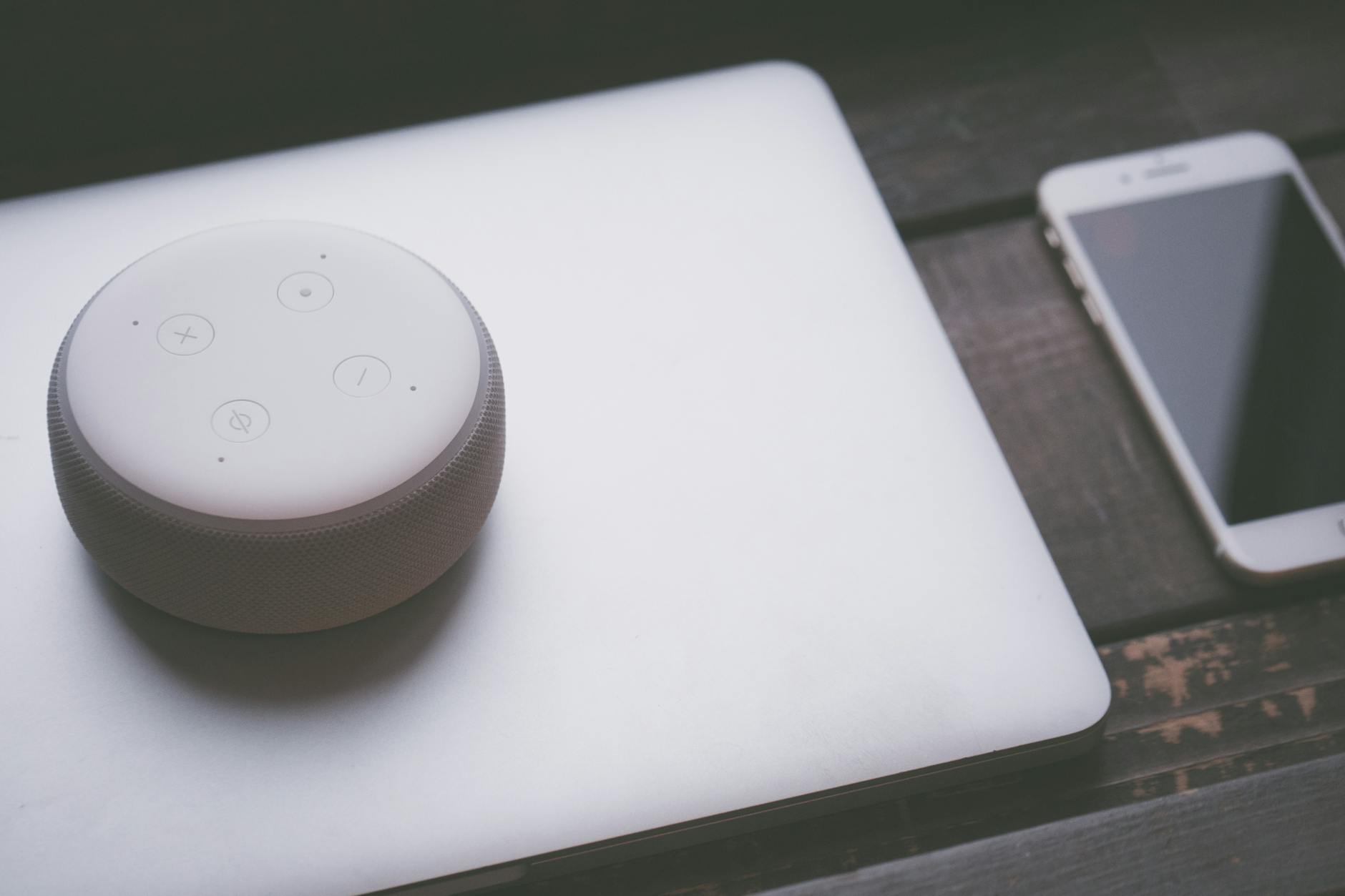
70% of smart speaker owners use voice assistants daily, and now OpenAI is reportedly launching a screenless speaker that can move, according to a recent Bloomberg report. This innovative device is designed to feel like a companion and become a physical manifestation of OpenAI's ChatGPT.
Introduction to OpenAI's Screenless Speaker
The device, which has been described as involving "mechanical elements that can move on their own", will use a camera and additional sensors to "understand" the user's environment. This is a significant development in the field of AI-powered home companions, with over 100 million smart speakers sold worldwide in 2022.
Technical Specifications
- The speaker will have a rechargeable battery, allowing for up to 10 hours of continuous use.
- The device will utilize advanced AI algorithms to learn and adapt to the user's preferences and behavior.
- The speaker will be designed with Jony Ive's signature minimalist style, making it a sleek and modern addition to any home.
"The goal is to create a device that feels like a companion, something that can understand and respond to your needs in a more human-like way" - OpenAI spokesperson.
What the Sceptics Say
Some critics argue that the device's lack of a screen will limit its functionality and user experience. Additionally, there are concerns about the device's ability to collect and process user data, with over 50% of consumers expressing concerns about smart speaker privacy.
What This Means for the Industry
OpenAI's entry into the smart speaker market is expected to disrupt the industry, with Amazon and Google potentially losing up to 10% market share in the next 6 months. Other companies, such as Apple and Facebook, are also investing heavily in AI-powered home companions, with over $1 billion in funding allocated for AI research and development in 2026.
Key Takeaways
- Engineers: The development of OpenAI's screenless speaker highlights the importance of human-centered design in AI-powered devices.
- Investors: The smart speaker market is expected to grow by 20% in the next year, making it an attractive investment opportunity.
- Business Leaders: Companies should prioritize user experience and data privacy when developing AI-powered home companions.
- Consumers: The launch of OpenAI's screenless speaker is expected to increase competition and drive innovation in the smart speaker market, leading to better products and services.
Further Reading on AnalyticsGlobe
Sources
- TechCrunch: OpenAI's first hardware device is reportedly a screenless speaker that can move
- The Verge: OpenAI may announce a ChatGPT smart speaker this year
- Engadget: OpenAI's first device will reportedly be a 'humanlike' rechargeable speaker
Engineers should focus on developing more human-centered AI designs, investors should consider the growing smart speaker market, and business leaders should prioritize user experience and data privacy. Now is the time to act and make the most of this emerging technology.
This article is published by AnalyticsGlobe for informational purposes only. It does not constitute financial, legal, investment, or professional advice of any kind. Always conduct your own research and consult qualified professionals before making any decisions.
Rahul Nair
Published under the research and editorial standards of AnalyticsGlobe. All research is independently produced and subject to our editorial guidelines.