Open Source Code Sparks Controversy Amidst Rising Adoption in 2026
70% of companies use open source software, but concerns over ownership and security are growing. Nous Research's new open-source coding model, NousCoder-14B, matches proprietary systems, trained in 4 days with 48 Nvidia B200 GPUs.
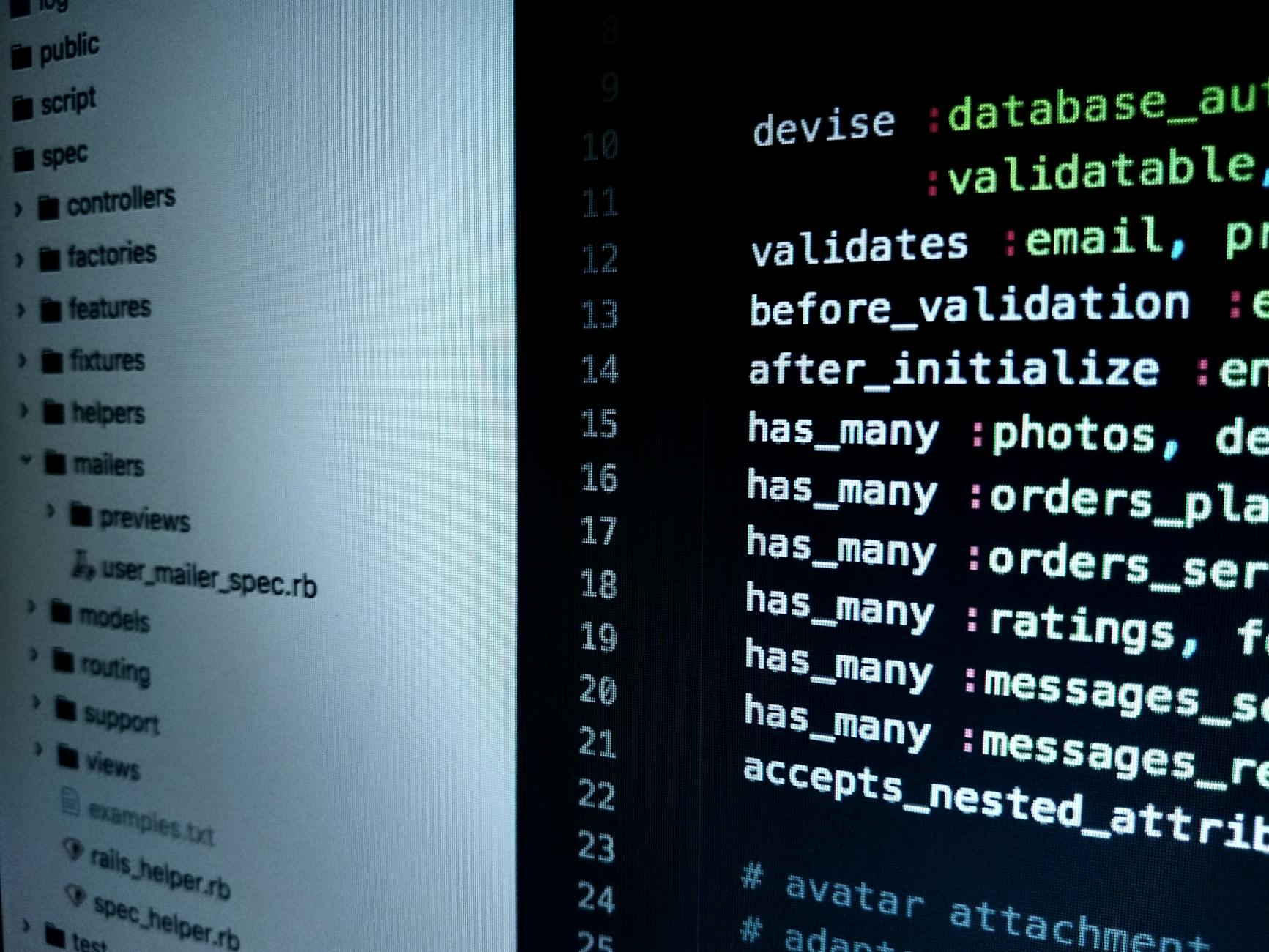
70% of companies now use open source software, but concerns over ownership and security are growing, as seen in the recent controversy surrounding Corgi, a Y Combinator-backed insurance tech startup accused of stealing an open source product.
Background
The dispute began when Papermark accused Corgi of stealing its software, prompting Corgi to deny the allegations and raising questions about the practice of 'vibe coding'. This comes as Nous Research releases NousCoder-14B, an open-source coding model that matches or exceeds several larger proprietary systems, trained in just four days using 48 of Nvidia's latest B200 graphics processors.
Open Source Initiatives
- OpenAI's Patch the Planet initiative aims to support open-source maintainers in finding, validating, and fixing vulnerabilities with AI and expert review, with over 100 maintainers already on board.
- Github and the UNDP are working together to advance development priorities in Ghana through open source governance, with a focus on digital reform efforts.
'The future of coding is open source, and we're committed to making it more secure and accessible', said a spokesperson for OpenAI.
What the Sceptics Say
Some argue that the increasing reliance on open source software poses significant security risks, citing the 350% increase in open source vulnerabilities reported in 2025. Others express concerns over ownership and the potential for companies to exploit open source code for their own gain.
What This Means for the Industry
As companies like Corgi, Nous Research, and OpenAI continue to push the boundaries of open source software, we can expect to see significant developments in the next 6-12 months. Google, Microsoft, and Amazon are likely to increase their investments in open source initiatives, with a focus on security and accessibility. Meanwhile, startups like Corgi will need to navigate the complex landscape of open source ownership and security.
Key Takeaways
- Engineers: When working with open source software, prioritize security and ensure that you're complying with all relevant licenses and regulations.
- Investors: Consider the potential risks and rewards of investing in open source startups, and look for companies that prioritize security and transparency.
- Business Leaders: Develop a clear strategy for open source adoption, including guidelines for security, ownership, and compliance.
- Consumers: Be aware of the potential risks and benefits of using open source software, and take steps to protect your personal data and security.
Engineers should review their open source dependencies now to ensure compliance and security. Investors should keep a close eye on open source startups and their approaches to security and transparency. Business leaders should develop a comprehensive open source strategy that prioritizes security, ownership, and compliance.
Further Reading on AnalyticsGlobe
Sources
This article is published by AnalyticsGlobe for informational purposes only. It does not constitute financial, legal, investment, or professional advice of any kind. यह लेख केवल जानकारी के उद्देश्य से प्रकाशित किया गया है — कोई भी निर्णय लेने से पहले आधिकारिक स्रोतों से पुष्टि करें।
Priya Mehta
Published under the research and editorial standards of AnalyticsGlobe. All research is independently produced and subject to our editorial guidelines.