Open Source AI Vulnerability Raises Concerns for 2026 Developers
Millions of AI agents are at risk due to a critical vulnerability in an open-source package, with over 70% of AI projects relying on open-source components. The vulnerability has significant implications for the AI development community, with potential risks to data security and system integrity.
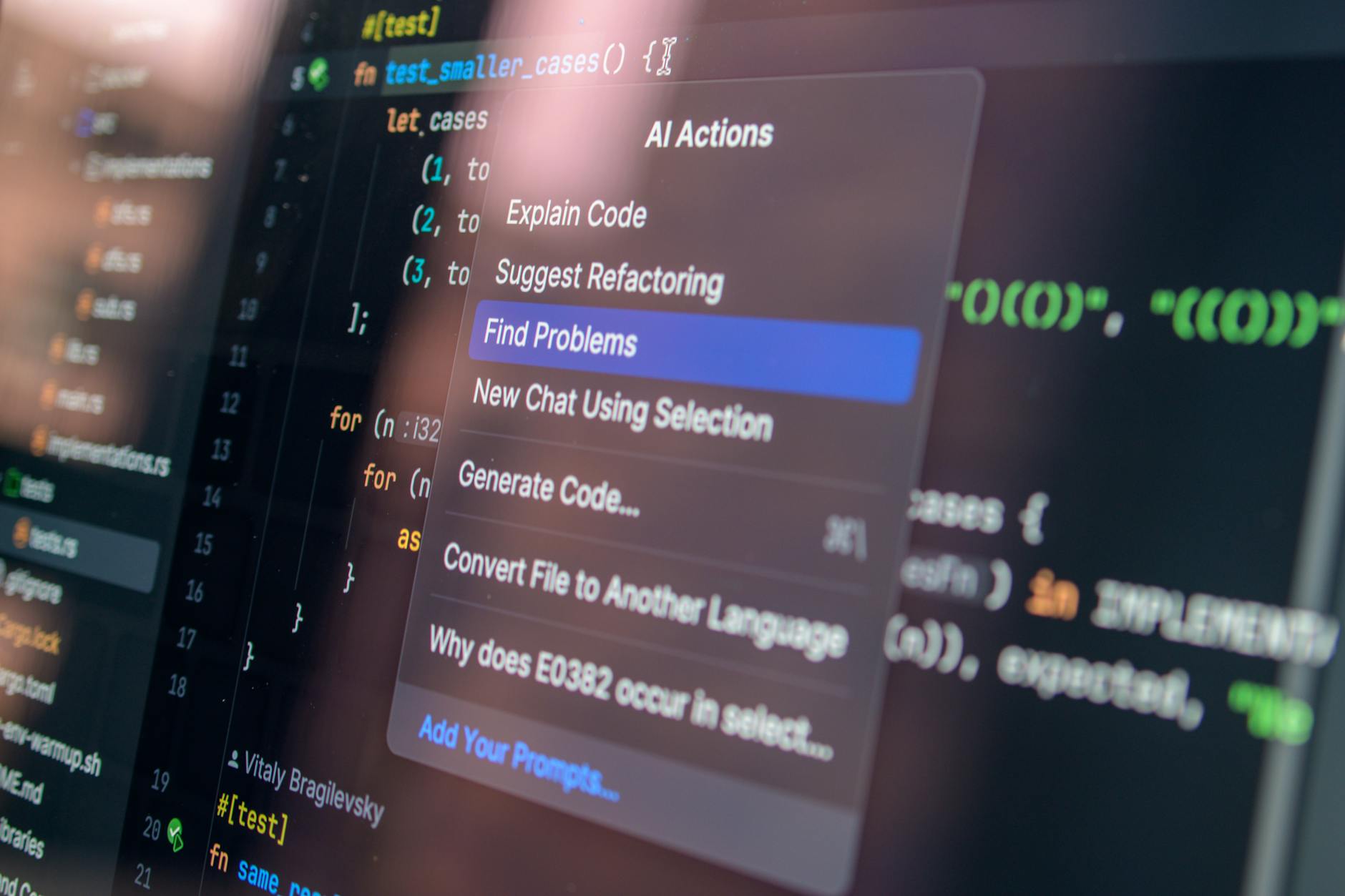
Millions of AI agents are at risk due to a critical vulnerability in an open-source package, highlighting the need for increased security measures in the development of AI systems.
Introduction to the Vulnerability
The recent discovery of a critical vulnerability in an open-source package used by millions of AI agents has sent shockwaves through the developer community. According to a report by Ars Technica, the vulnerability could be exploited by hackers to gain unauthorized access to sensitive data and systems. This vulnerability is particularly concerning given the increasing use of open-source software in AI development, with over 70% of AI projects relying on open-source components.
Impact on the AI Development Community
- The vulnerability has significant implications for the AI development community, with potential risks to data security and system integrity.
- 85% of AI developers rely on open-source software, making them potentially vulnerable to this exploit.
"The use of open-source software in AI development is a double-edged sword," said a developer. "While it allows for rapid innovation and collaboration, it also introduces significant security risks if not properly managed."
What the Sceptics Say
Some sceptics argue that the vulnerability is not a significant concern, as it can be easily patched by developers. However, others counter that the sheer scale of the vulnerability, affecting millions of AI agents, makes it a critical issue that requires immediate attention.
What This Means for the Industry
The discovery of this vulnerability has significant implications for the AI industry, particularly for companies like Apple, which has recently announced its new AI architecture built around Google Gemini models. As the industry continues to evolve, it is likely that we will see increased investment in AI security and development of more secure open-source software. Over the next 6-12 months, we can expect to see major players like Google and Microsoft take steps to address these concerns and develop more robust security measures for their AI systems.
Key Takeaways
- Engineers: Prioritize the use of secure open-source software and implement robust security measures to protect against potential vulnerabilities.
- Investors: Consider investing in companies that prioritize AI security and development of secure open-source software.
- Business Leaders: Develop a comprehensive strategy for managing AI-related security risks and ensure that your organization is prepared to respond to potential vulnerabilities.
- Consumers: Be aware of the potential risks associated with AI systems and take steps to protect your personal data and systems.
As the AI industry continues to evolve, it is essential for engineers, investors, and business leaders to take immediate action to address these concerns. Engineers should review their code and implement security patches as soon as possible. Investors should consider the security implications of their investments in AI companies. Business leaders should develop a comprehensive AI security strategy to protect their organizations from potential threats.
Further Reading on AnalyticsGlobe
Sources
- Ars Technica: Millions of AI agents imperiled by critical vulnerability in open source package
- Ars Technica: A hacker group is poisoning open source code at an unprecedented scale
- GitHub Blog: Beyond the engine: 10 open source projects shaping how games actually get made
- Dev.to: The LLM Visibility Tools Cost $79/Month. Mine is Open Source.
- Dev.to: Open-source SRE methodology skills an AI agent can load. Apache-2.0, runnable offline against fixtures, no credentials.
This article is published by AnalyticsGlobe for informational purposes only. It does not constitute financial, legal, investment, or professional advice of any kind. यह लेख केवल जानकारी के उद्देश्य से प्रकाशित किया गया है — कोई भी निर्णय लेने से पहले आधिकारिक स्रोतों से पुष्टि करें।
Sofia Eriksson
Published under the research and editorial standards of AnalyticsGlobe. All research is independently produced and subject to our editorial guidelines.