Open Source AI Tools Gain Momentum Amid 2026 Tech Trends
Ollama, an open-source AI developer tool, has raised $65M and grown to 9 million users. The open-source AI landscape is becoming increasingly competitive, with newcomers like NousCoder-14B entering the scene.
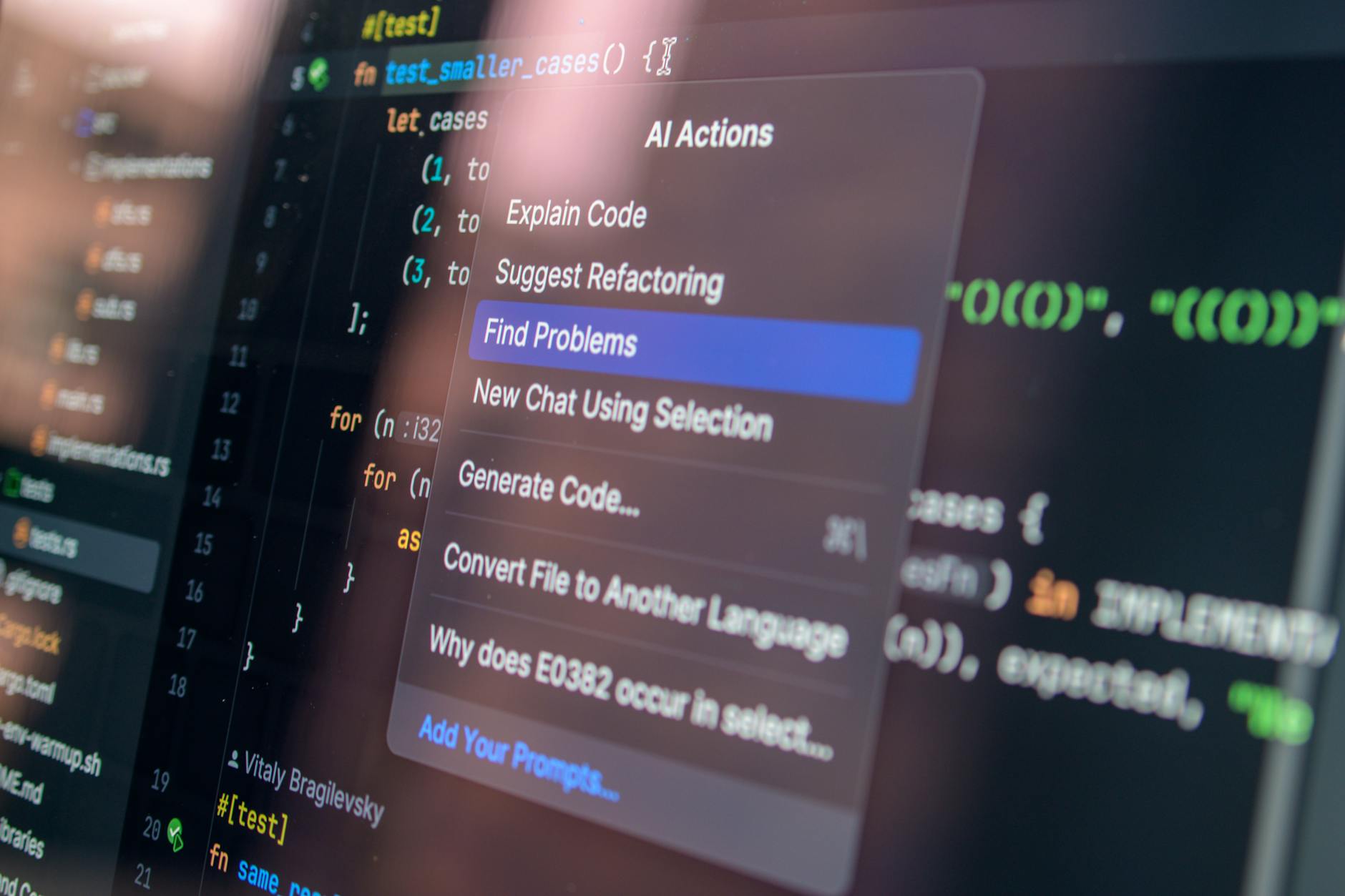
9 million users are now leveraging Ollama, a popular open-source AI developer tool, which has raised $65M in funding and achieved significant growth.
Introduction to Ollama and Open Source AI
Ollama, backed by Benchmark, has made substantial strides in the open-source AI community by providing developers with an easy-to-use platform to run AI on their PCs. The tool has garnered 176,000 stars and nearly 17,000 forks on GitHub, demonstrating its widespread adoption and community engagement.
Competitive Landscape and Market Trends
The open-source AI landscape is becoming increasingly competitive, with newcomers like Nous Research's NousCoder-14B entering the scene. Trained in just four days using 48 of Nvidia's latest B200 graphics processors, NousCoder-14B is poised to match or exceed several larger proprietary systems. This development underscores the rapid pace of innovation in the open-source AI sector.
- The global open-source collaboration is accelerating, with new highs in collaboration across many economies, as highlighted by GitHub's Q1 2026 Innovation Graph update.
- 86% of developers prefer using open-source tools for their projects, according to the 2026 Developer Survey by Stack Overflow.
"The future of AI development is open-source," said a spokesperson from Ollama, emphasizing the importance of community-driven innovation in AI.
What the Sceptics Say
Some critics argue that the open-source model, while beneficial for community engagement and rapid innovation, may struggle with long-term sustainability and monetization. As the open-source AI sector continues to grow, addressing these concerns will be crucial for its long-term viability.
What This Means for the Industry
Given the current trends, companies like Microsoft and OpenAI are likely to increase their investment in open-source AI tools over the next 6-12 months. This shift could lead to a significant 20% increase in open-source AI adoption among developers by the end of 2027. Moreover, the rise of open-source AI will likely influence the development of copilot technologies, further blurring the lines between human and machine collaboration.
Key Takeaways
- Engineers: should explore open-source AI tools like Ollama and NousCoder-14B for their projects, considering the benefits of community support and rapid innovation.
- Investors: may find opportunities in open-source AI startups, given the sector's growth potential and the increasing preference for open-source solutions among developers.
- Business Leaders: should consider adopting open-source AI tools to stay competitive, leveraging the cost-effectiveness and flexibility these solutions offer.
- Consumers: can expect to see more AI-driven products and services, thanks to the accelerated development facilitated by open-source AI tools.
Engineers should start exploring Ollama and similar tools now, investors should look for promising open-source AI startups, and business leaders should assess how open-source AI can benefit their operations.
Further Reading on AnalyticsGlobe
Sources
- TechCrunch: Popular open source AI developer tool Ollama raises $65M, grows to nearly 9M users
- VentureBeat: Nous Research's NousCoder-14B is an open-source coding model landing right in
- GitHub Blog: Q1 2026 Innovation Graph update: Open source collaboration is accelerating worldwide
- Stack Overflow Blog: The 2026 Developer Survey is now open (for human developers only)
This article is published by AnalyticsGlobe for informational purposes only. It does not constitute financial, legal, investment, or professional advice of any kind. Always conduct your own research and consult qualified professionals before making any decisions.
Ananya Rao
Published under the research and editorial standards of AnalyticsGlobe. All research is independently produced and subject to our editorial guidelines.