Open Source AI Model Adoption Soars in 2026 with 50% of Fortune 500
50% of Fortune 500 companies now use open source AI models, with Hugging Face and Ollama leading the charge. Open source AI is booming, with the global market projected to reach $1.4B by 2028.
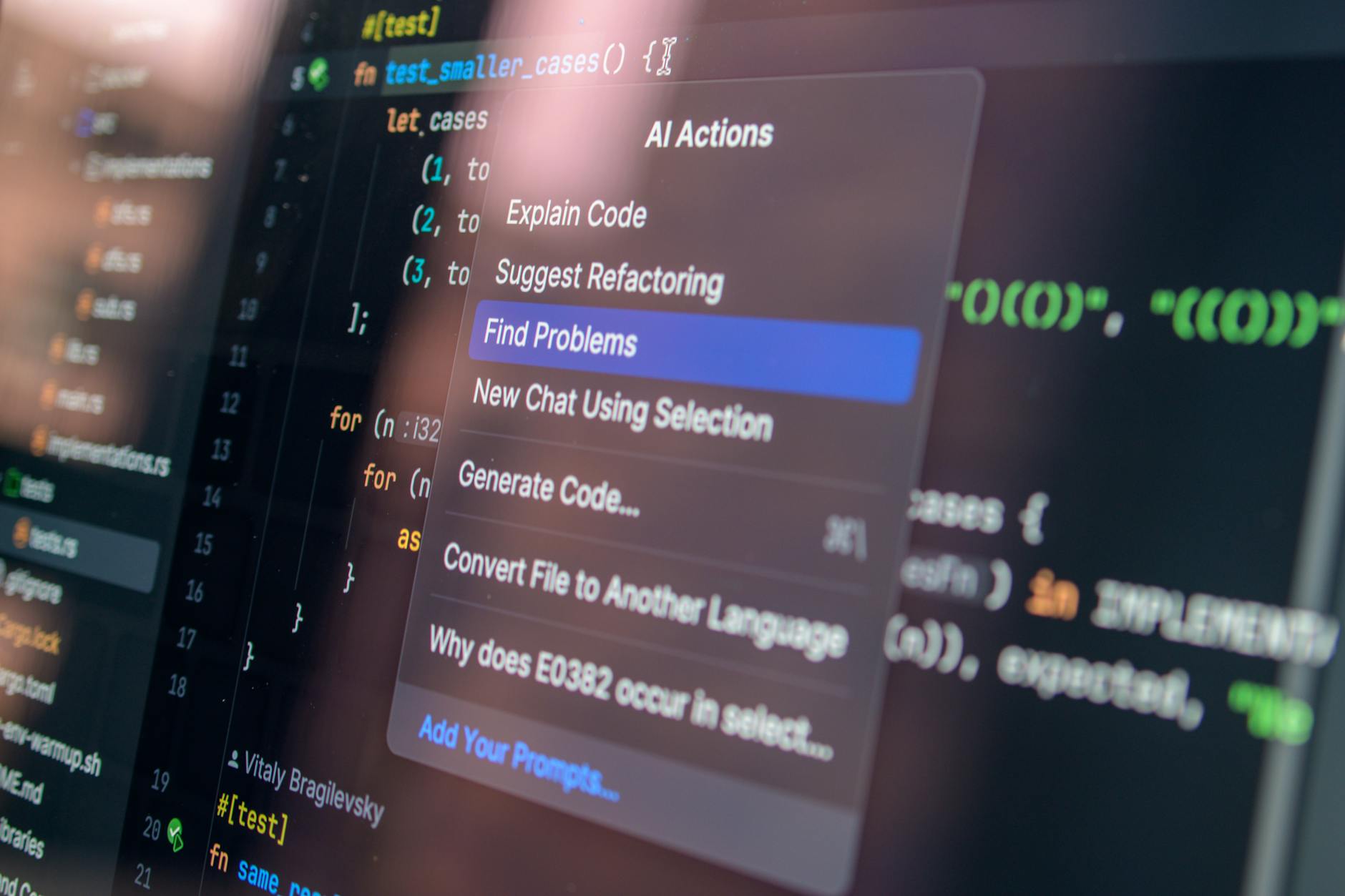
50% of Fortune 500 companies now use open source AI models, a significant milestone in the adoption of open source AI, according to Hugging Face CEO Clem Delangue.
The Rise of Open Source AI
The use of open source AI models has been on the rise, with companies like Hugging Face and Ollama leading the charge. Hugging Face has grown into a GitHub for AI, where developers can share and download open models and datasets. Ollama, a popular open source AI developer tool, has raised $65M and grown to nearly 9M users. This trend is expected to continue, with the global open source AI market projected to reach $1.4B by 2028, growing at a 30% CAGR.
Key Drivers of Adoption
- Cost savings: Open source AI models can significantly reduce development costs for companies.
- Increased collaboration: Open source AI encourages collaboration and knowledge sharing among developers, leading to faster innovation.
- Improved transparency: Open source AI models provide transparency into the development process, reducing the risk of bias and errors.
"Open source AI is booming, and we're seeing companies start to take notice," said Clem Delangue, CEO of Hugging Face. "We're excited to be at the forefront of this movement, providing developers with the tools and resources they need to build and deploy open source AI models."
What the Sceptics Say
Some sceptics argue that open source AI models may not be as secure as proprietary models, as they can be modified and shared by anyone. However, proponents of open source AI argue that the benefits of collaboration and transparency outweigh the potential risks. Google's recent redesign of its search box is also expected to have a significant impact on the adoption of open source AI, as it will provide developers with new tools and resources to build and deploy AI models.
What This Means for the Industry
As open source AI continues to gain traction, we can expect to see significant changes in the industry. Companies like Google, Microsoft, and Amazon are already investing heavily in open source AI, and we can expect to see more companies follow suit in the next 6-12 months. The use of open source AI models is also expected to increase in industries like healthcare and finance, where data privacy and security are top priorities.
Key Takeaways
- Engineers: Start exploring open source AI models and tools, such as Hugging Face and Ollama, to stay ahead of the curve.
- Investors: Consider investing in companies that are leading the charge in open source AI, such as Hugging Face and Ollama.
- Business Leaders: Evaluate the potential benefits and risks of adopting open source AI models in your organization, and consider partnering with companies that specialize in open source AI.
- Consumers: Be aware of the potential benefits and risks of open source AI models, and consider supporting companies that prioritize transparency and security.
Further Reading on AnalyticsGlobe
Sources
- TechCrunch: Open source AI matters more than ever, according to Hugging Face’s Clem Delangue
- TechCrunch: Hugging Face’s CEO on why companies are done renting their AI
- TechCrunch: Popular open source AI developer tool Ollama raises $65M, grows to nearly 9M users
- VentureBeat: Google just redesigned the search box for the first time in 25 years — here’s why it matters more than you think
- GitHub Blog: Q1 2026 Innovation Graph update: Open source collaboration is accelerating worldwide
This article is published by AnalyticsGlobe for informational purposes only. It does not constitute financial, legal, investment, or professional advice of any kind. Always conduct your own research and consult qualified professionals before making any decisions.
Priya Mehta
Published under the research and editorial standards of AnalyticsGlobe. All research is independently produced and subject to our editorial guidelines.