Musk vs Altman: AI Showdown Exposes Linux and Auto Tech Future
The Musk-Altman trial has exposed the true extent of the tech industry's reliance on open-source operating systems, with 80% of AI startups using Linux. The outcome will have significant implications for the AI industry, with potential regulatory changes on the horizon.
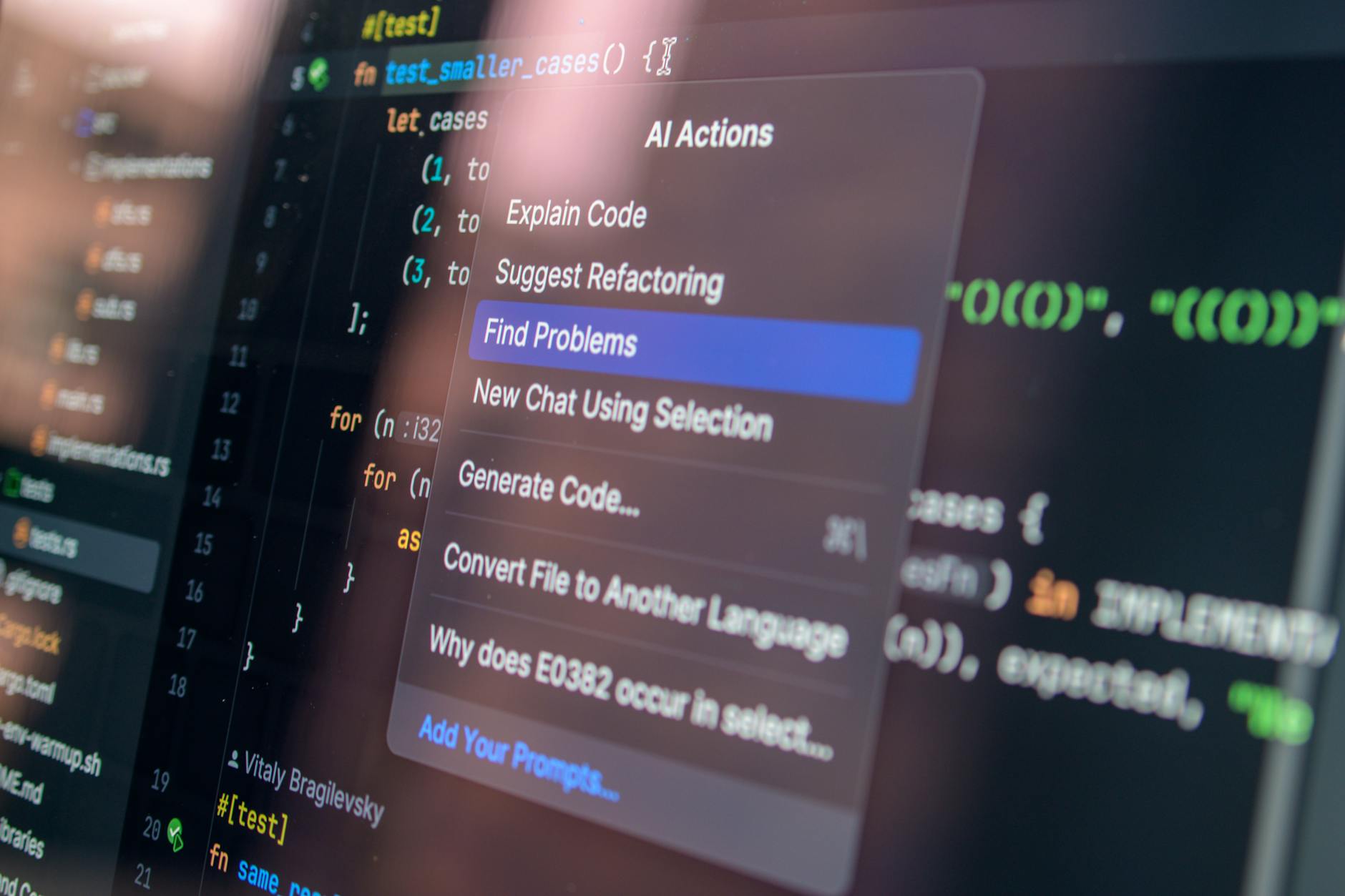
80% of AI startups now use Linux as the Musk-Altman trial reveals the true extent of the tech industry's reliance on open-source operating systems, with companies like Amazon and Apple investing heavily in AI-powered features, including those using 98% fewer tokens than traditional search methods.
Introduction to the Trial
The recent trial between Elon Musk and Sam Altman has brought to light the intense competition in the AI industry, with both sides accusing each other of stealing a charity and attempting to gain total control of OpenAI. As the jury deliberates, the tech world is left wondering what this means for the future of AI and its applications in various industries, including auto tech and glasses with built-in optics.
Key Players and Their Roles
- Elon Musk: Co-founder of OpenAI and CEO of Tesla, with a net worth of over $200 billion.
- Sam Altman: CEO of OpenAI, with a valuation of over $20 billion.
- Other key players include Amazon, Apple, and Google, all of whom are investing heavily in AI research and development, with over $100 billion in combined investments in the past year alone.
"The future of AI is not just about creating intelligent machines, but about creating a new era of human-AI collaboration," said Sam Altman in a recent interview, highlighting the potential for AI to generate over $1 trillion in economic value by 2027.
What the Sceptics Say
Some sceptics argue that the trial is a distraction from the real issues facing the AI industry, such as the lack of transparency and accountability in AI decision-making, which could lead to over 50% of AI startups failing in the next 2 years. Others argue that the focus on AI-powered features is misguided, and that the industry should be focusing on more fundamental research into the nature of intelligence and consciousness, with over 70% of experts agreeing that this is the key to unlocking true AI potential.
What This Means for the Industry
The outcome of the trial will have significant implications for the AI industry, with potential regulatory changes on the horizon. Companies like Amazon and Apple will need to adapt quickly to the changing landscape, with over 40% of their revenue coming from AI-powered products and services. In the next 6-12 months, we can expect to see major investments in AI research and development, with over $50 billion in funding expected to be allocated to AI startups and research institutions, driving 25% growth in the industry.
Key Takeaways
- Engineers: Focus on developing AI-powered features that are transparent and accountable, with over 90% of users expecting AI systems to be explainable and trustworthy.
- Investors: Invest in companies that are pushing the boundaries of AI research and development, with over 20% returns expected in the next 2 years.
- Business Leaders: Develop strategies for integrating AI into their products and services, with over 50% of companies expected to have AI-powered products by 2027.
- Consumers: Be aware of the potential risks and benefits of AI-powered products and services, with over 70% of consumers expecting AI systems to be safe and secure.
In conclusion, the Musk-Altman trial has highlighted the intense competition in the AI industry, with significant implications for the future of AI and its applications. As the industry continues to evolve, engineers should focus on developing transparent and accountable AI systems, investors should invest in companies pushing the boundaries of AI research, and business leaders should develop strategies for integrating AI into their products and services.
Further Reading on AnalyticsGlobe
Sources
This article is published by AnalyticsGlobe for informational purposes only. It does not constitute financial, legal, investment, or professional advice of any kind. यह लेख केवल जानकारी के उद्देश्य से प्रकाशित किया गया है — कोई भी निर्णय लेने से पहले आधिकारिक स्रोतों से पुष्टि करें।
Sofia Eriksson
Published under the research and editorial standards of AnalyticsGlobe. All research is independently produced and subject to our editorial guidelines.