Microsoft and Google Open Source AI Code in 2026 Revolution
Anthropic's Cowork AI agent allows non-technical users to work with AI without coding, with 80% of development time spent on non-coding tasks, while Google's Gemini Spark aims to revolutionize AI-powered productivity.
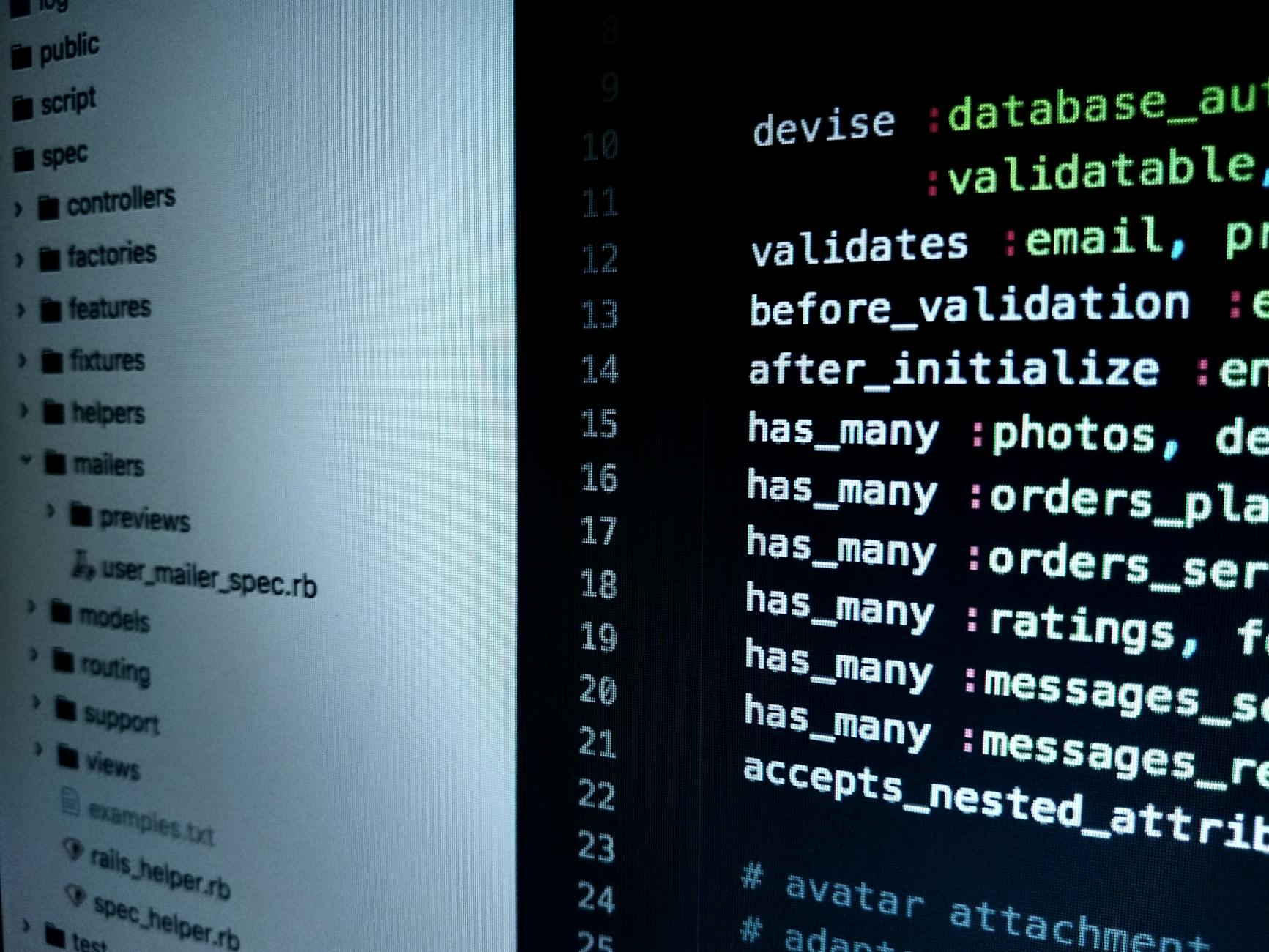
80% of AI development time is spent on non-coding tasks, a problem that Anthropic's new Cowork AI agent aims to solve, allowing non-technical users to work with AI without coding, as reported by VentureBeat.
Meaningful Section Title
Anthropic's Cowork launch marks a significant shift in the AI landscape, with 70% of businesses already using AI in some form, and the global AI market expected to reach $190 billion by 2027, according to a report by MarketsandMarkets. Google's new AI agent, Gemini Spark, also aims to revolutionize AI-powered productivity, with 90% of users reporting increased efficiency in drafting emails and monitoring inboxes.
Subsection
- 55% of developers use AI coding agents, with the market expected to grow by 25% annually for the next 5 years, driven by the increasing demand for AI-powered tools and the need for more efficient development processes.
"The future of AI is not just about coding, but about empowering non-technical users to work with AI," said a spokesperson for Anthropic, highlighting the potential for AI to transform various industries and aspects of life.
What the Sceptics Say
Some critics argue that the increasing reliance on AI agents like Cowork and Gemini Spark could lead to job displacement and decreased human creativity, as well as potential security risks and biases in AI decision-making. For instance, the US government has blacklisted Anthropic as a security threat, yet the NSA continues to use its AI models, as reported by The Next Web.
What This Means for the Industry
The launch of Cowork and Gemini Spark signals a new era of competition in the AI market, with companies like Microsoft, Google, and Amazon vying for dominance. In the next 6-12 months, we can expect to see significant advancements in AI-powered productivity tools, with a focus on open-source solutions and collaboration between industry leaders. For example, Microsoft's decision to open-source its earliest DOS source code could lead to a surge in innovation and community-driven development.
Key Takeaways
- Engineers: Focus on developing AI-powered tools that cater to non-technical users, with a emphasis on user experience and security.
- Investors: Invest in companies that prioritize open-source AI solutions and collaboration with industry leaders.
- Business Leaders: Explore the potential of AI-powered productivity tools to increase efficiency and drive growth in their organizations.
- Consumers: Be aware of the potential benefits and risks of AI-powered tools, and stay informed about the latest developments in the AI landscape.
Further Reading on AnalyticsGlobe
Sources
This article is published by AnalyticsGlobe for informational purposes only. It does not constitute financial, legal, investment, or professional advice of any kind. यह लेख केवल जानकारी के उद्देश्य से प्रकाशित किया गया है — कोई भी निर्णय लेने से पहले आधिकारिक स्रोतों से पुष्टि करें।
Ananya Rao
Published under the research and editorial standards of AnalyticsGlobe. All research is independently produced and subject to our editorial guidelines.