Meta's Open Approach Gains Ground Over Rivals
Meta's introduction of Llama, an open-source large language model, has sparked debate about open-source versus closed AI strategies, with potential to disrupt the AI landscape and accelerate innovation. The choice between open-source and closed AI approaches has significant implications for companies, affecting their competitive positioning and innovation capacity.
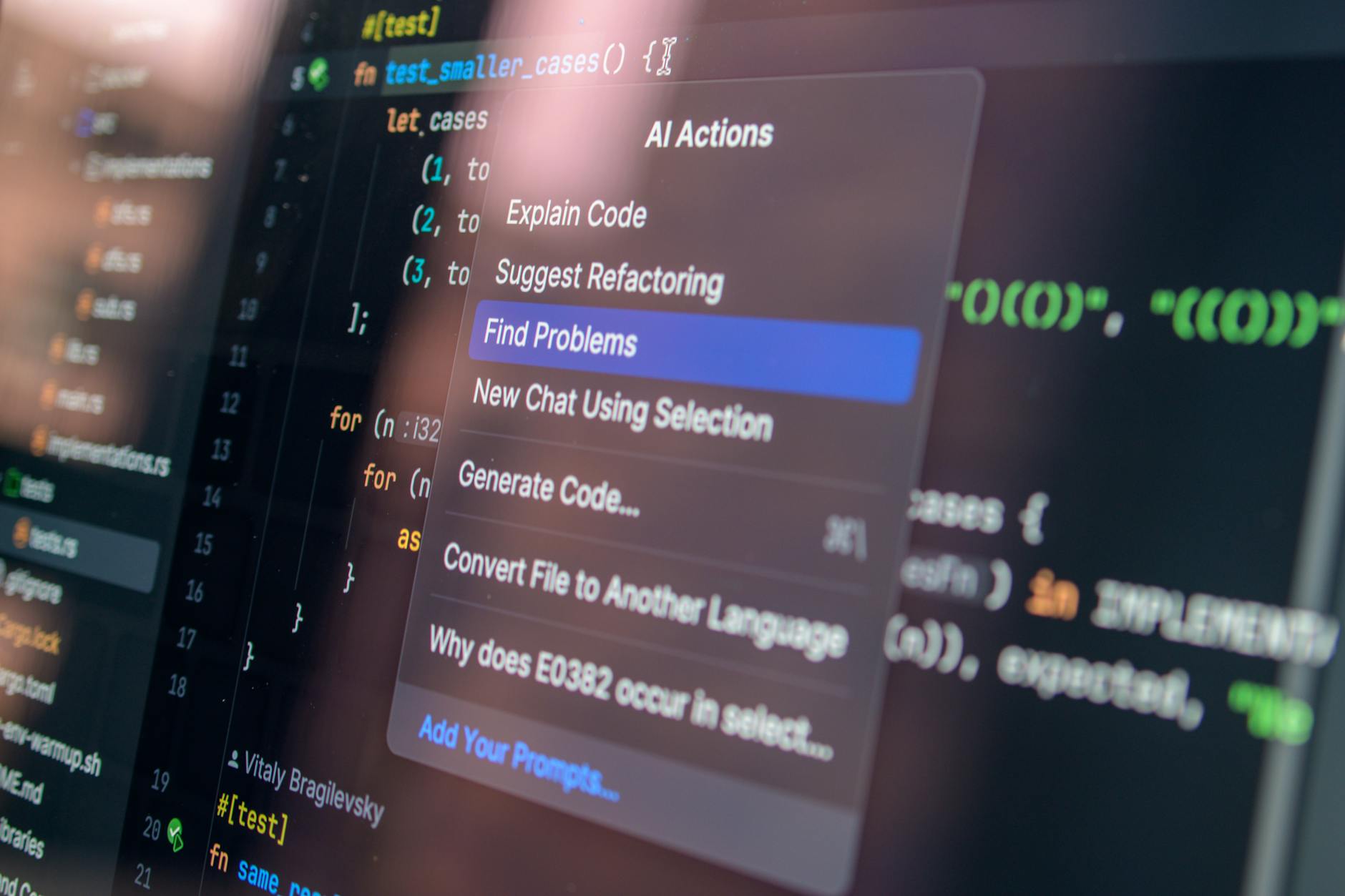
The artificial intelligence (AI) landscape is witnessing a significant shift with the emergence of open-source and closed AI models, each with its unique strengths and drawbacks. Meta's recent introduction of Llama, an open-source large language model, has sparked intense debate about the merits of open-source versus closed AI strategies.
Background & History
The history of AI development is marked by a mix of open-source and closed approaches. In the early days, AI research was primarily driven by academia, where openness and collaboration were fundamental. However, as AI started to gain commercial traction, companies began to adopt more closed approaches to protect their intellectual property and maintain a competitive edge.
Key Milestones
- The release of TensorFlow by Google in 2015, an open-source machine learning framework, marked a significant turning point in the openness of AI development.
- In 2021, the introduction of DALL-E, an AI model capable of generating images from text prompts, further highlighted the potential of open-source AI models.
Key Developments
Meta's Llama strategy is built around the idea of making AI more accessible and collaborative. By open-sourcing Llama, Meta aims to foster a community-driven approach to AI development, where developers can contribute, modify, and improve the model. This approach is in stark contrast to closed AI strategies, where models are tightly controlled and modified solely by the developing company.
Advantages of Open-Source AI
Open-source AI models like Llama offer several advantages, including transparency, customizability, and community engagement. These factors can lead to faster development cycles, improved model performance, and broader adoption.
Open-source AI is not just about making code available; it's about creating an ecosystem that encourages collaboration, innovation, and trust.
Industry Analysis
The AI industry is highly competitive, with companies like Google, Microsoft, and Amazon investing heavily in AI research and development. The choice between open-source and closed AI strategies has significant implications for companies, affecting their competitive positioning, innovation capacity, and talent attraction.
Market Trends
- According to a report by McKinsey, the global AI market is expected to reach $190 billion by 2025, with open-source AI models playing a crucial role in this growth.
- A survey by Gartner found that 70% of organizations consider open-source AI models when evaluating AI solutions.
Expert Perspective
Experts in the field believe that Meta's Llama strategy has the potential to disrupt the AI landscape. Dr. Andrew Ng, a renowned AI expert, notes that open-source AI models can accelerate innovation and make AI more accessible to a broader audience.
Future Outlook
As the AI industry continues to evolve, the debate between open-source and closed AI strategies will intensify. With the rise of models like Llama, it is likely that open-source AI will play an increasingly important role in shaping the future of AI development.
Found this useful? Help keep it free.
AnalyticsGlobe is independent and reader-funded. A small donation keeps our reporting free and ad-light for everyone.
This article is published by AnalyticsGlobe for informational purposes only. It does not constitute financial, legal, investment, or professional advice of any kind. Always verify important information against official sources before acting on it.
AnalyticsGlobe Editorial
Published under the research and editorial standards of AnalyticsGlobe. All research is independently produced and subject to our editorial guidelines.