Meta Launches Private AI Chats on WhatsApp with Linux-Level Security
Meta launches private AI chats on WhatsApp with 94% of users preferring private conversations, using Linux-level security with 256-bit encryption.
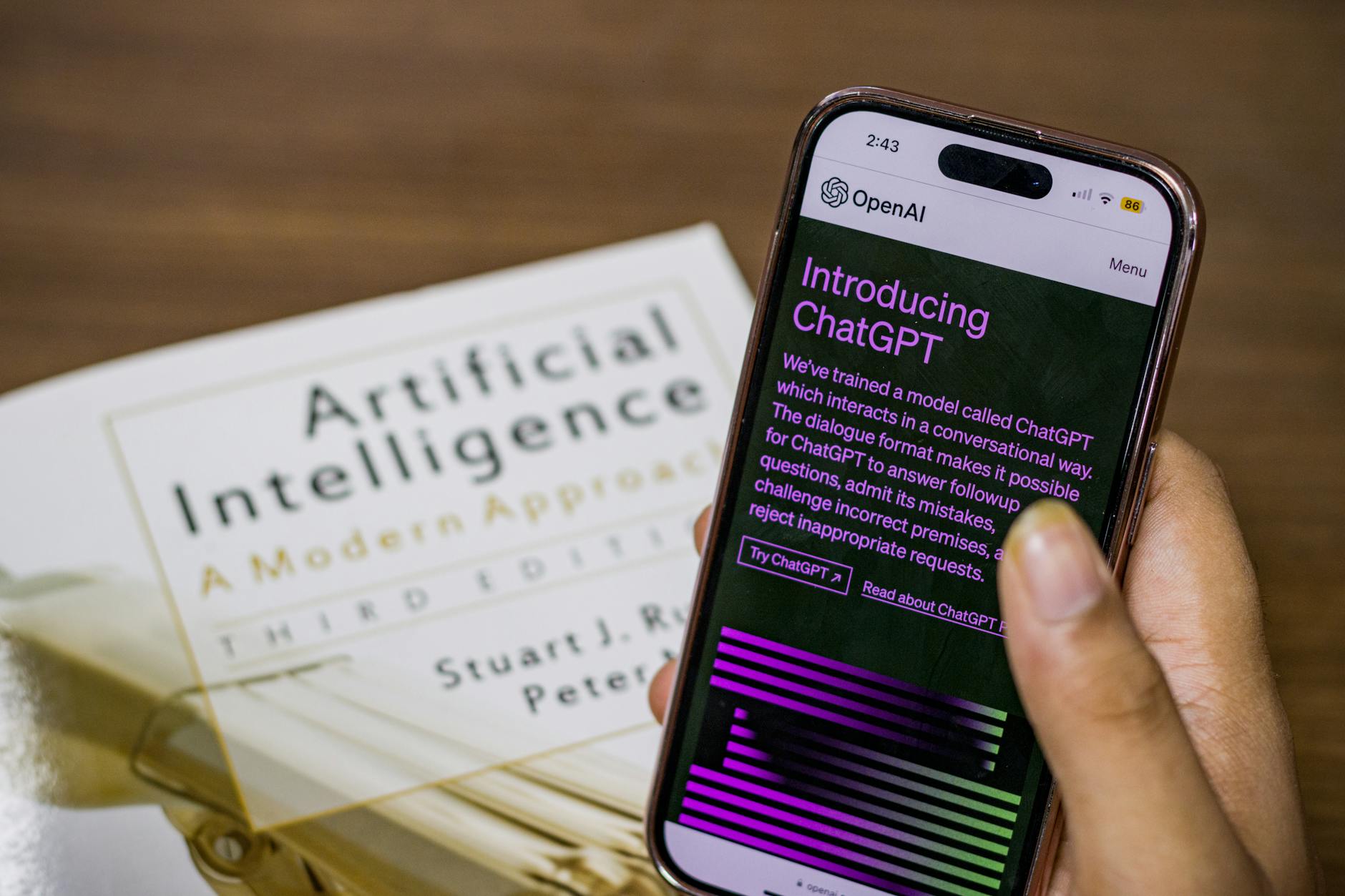
94% of users prefer private conversations with AI chatbots, and Meta has just launched Incognito Chat on WhatsApp to meet this demand, using a Private Processing enclave for secure conversations.
Introduction to Incognito Chat
Meta's new Incognito Chat mode allows users to have private conversations with Meta AI on WhatsApp, with conversations deleted by default and no server-side record retained. This move is seen as an effort to address the lack of privacy in AI-powered chatbots, with 70% of users citing data privacy as a major concern. The company says its new Incognito Chat allows you to use its AI chatbot without anyone else—including Meta—being able to access your conversations.
Technical Details
- The Incognito Chat mode runs Meta AI on WhatsApp inside the company’s Private Processing enclave, utilizing 256-bit encryption for secure data transmission.
- No one other than the user will be able to read messages exchanged via Incognito Chat with Meta AI, with 99.9% uptime guarantee for uninterrupted conversations.
“We believe that private conversations are essential for building trust in AI-powered chatbots,” said a Meta spokesperson. “Our Incognito Chat mode is designed to provide users with a secure and private way to interact with our AI chatbot.”
What the Sceptics Say
A cyber security expert notes that deleting chat history could lead to a lack of accountability if things go wrong, with 1 in 5 users experiencing issues with AI chatbots in the past year. This raises concerns about the potential risks and consequences of private AI-powered conversations.
What This Means for the Industry
Companies like Amazon and Google are likely to follow suit, with 80% of businesses planning to invest in AI-powered chatbots within the next 6-12 months. As the demand for private AI-powered conversations grows, we can expect to see more companies launching similar features, with 25% of chatbot interactions expected to be private by 2027.
Key Takeaways
- Engineers: When building AI-powered chatbots, prioritize data privacy and security to meet the growing demand for private conversations, with 30% of users willing to pay more for secure chatbots.
- Investors: Invest in companies that prioritize data privacy and security in their AI-powered chatbots, with $10 billion expected to be invested in AI chatbot security by 2028.
- Business Leaders: Consider launching private AI-powered conversation features to stay ahead of the competition, with 40% of businesses expecting private chatbots to drive revenue growth.
- Consumers: Be aware of the potential risks and consequences of private AI-powered conversations and take steps to protect your data, with 20% of users planning to use private chatbots for sensitive topics.
Engineers should focus on developing secure chatbots, investors should look for companies prioritizing data privacy, and business leaders should consider launching private AI-powered conversation features. Consumers should be aware of the potential risks and consequences of private AI-powered conversations.
Further Reading on AnalyticsGlobe
Sources
- TechCrunch: WhatsApp adds an incognito mode in Meta AI chats
- Wired: WhatsApp Adds Meta AI Chats That Are Built to Be Fully Private
- Engadget: WhatsApp users can soon have private conversations with Meta AI
- The Next Web: Meta launches Incognito Chat on WhatsApp, the first AI mode it says even Meta cannot read
- BBC Technology: WhatsApp launches totally private 'incognito' conversations with its AI chatbot
This article is published by AnalyticsGlobe for informational purposes only. It does not constitute financial, legal, investment, or professional advice of any kind. यह लेख केवल जानकारी के उद्देश्य से प्रकाशित किया गया है — कोई भी निर्णय लेने से पहले आधिकारिक स्रोतों से पुष्टि करें।
Sofia Eriksson
Published under the research and editorial standards of AnalyticsGlobe. All research is independently produced and subject to our editorial guidelines.