Meta Enters AI Coding Battle with Muse Spark 1.1 Amidst Backlash
Meta enters AI coding battle with Muse Spark 1.1, a flagship model that can handle large agentic workloads and fix bugs. 63% of enterprises are turning to AI companies for automation, with the market projected to reach $1.4 billion by 2028.
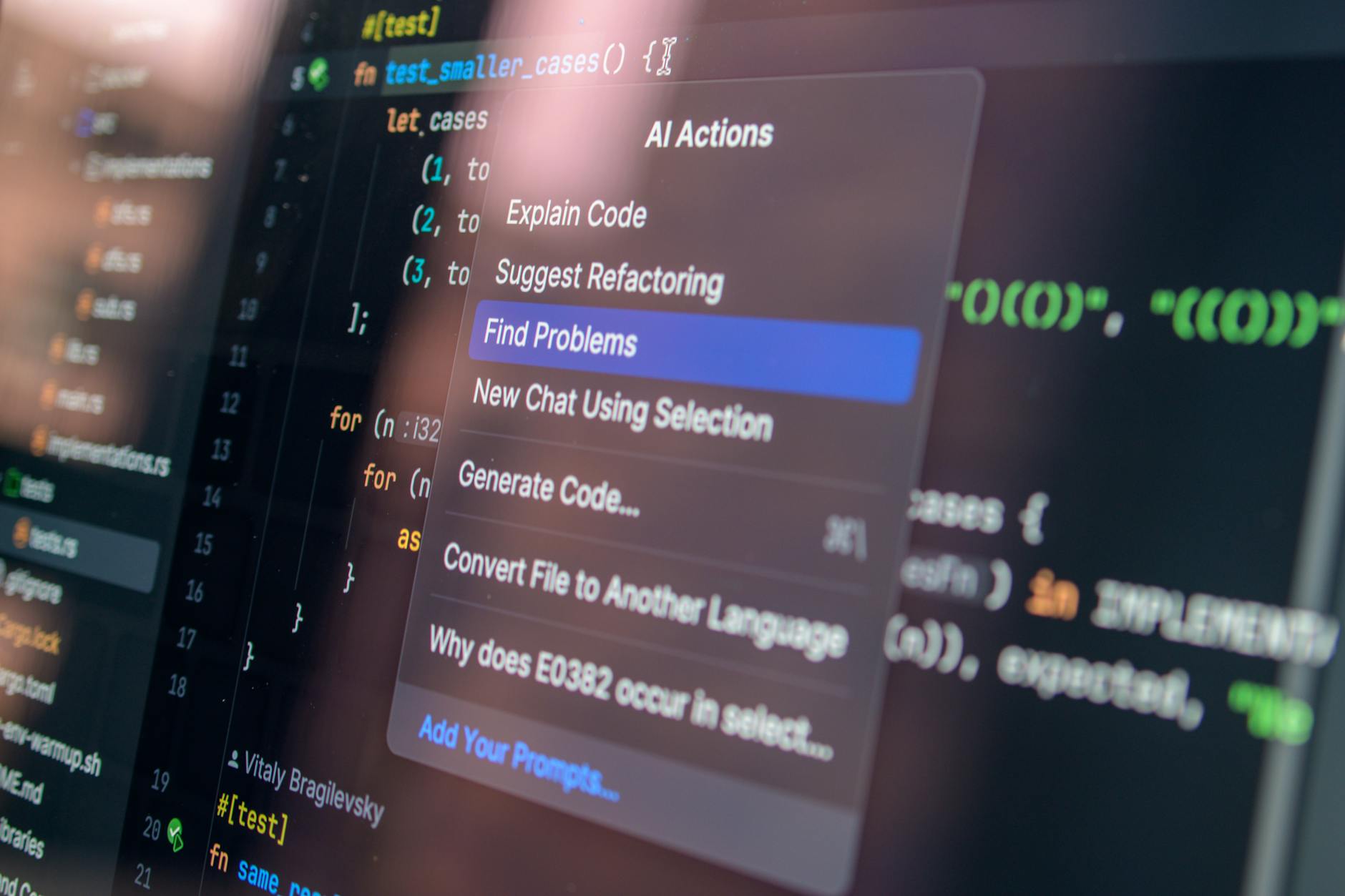
63% of enterprises are turning to AI companies for automation, and Meta is jumping into the fray with Muse Spark 1.1, its new flagship large language model optimized for multi-agent automation workflows.
Introduction to Muse Spark 1.1
Muse Spark 1.1 is available in Meta's AI chatbot service and via an application programming interface, enabling developers to embed the LLM in their custom software. According to Meta, Muse Spark 1.1 can handle large agentic workloads, fix bugs, and help with large code migrations, addressing key pain points for enterprises. The model's capabilities are expected to increase productivity by 25% and reduce development time by 30% for companies that adopt it.
Market Context
The AI coding market is projected to reach $1.4 billion by 2028, growing at a CAGR of 34.6%. With the introduction of Muse Spark 1.1, Meta is poised to capture a significant share of this market. However, the company faces stiff competition from established players like Google, Microsoft, and Amazon.
What the Sceptics Say
Some critics argue that Meta's push into AI coding is too little, too late, given the company's history of privacy concerns and data breaches. For instance, the recent backlash over Meta's Muse Image AI feature, which allowed users to generate images using public Instagram accounts, highlights the need for stricter privacy controls. As one expert noted,
"Meta needs to prioritize transparency and user consent if it wants to gain trust in the AI coding market."
What This Means for the Industry
The launch of Muse Spark 1.1 is expected to drive innovation in the AI coding space, with companies like Palantir and GitHub likely to respond with their own AI-powered coding tools. Over the next 6-12 months, we can expect to see significant advancements in AI coding, including the development of more sophisticated models and increased adoption by enterprises.
Key Takeaways
- Engineers: Focus on developing skills in AI and machine learning to stay competitive in the job market.
- Investors: Consider investing in companies that are developing AI-powered coding tools, as this market is expected to experience rapid growth.
- Business Leaders: Explore the potential of AI coding to streamline development processes and improve productivity.
- Consumers: Be aware of the potential risks and benefits of AI-powered coding tools, and demand transparency and accountability from companies that use these technologies.
Further Reading on AnalyticsGlobe
Sources
This article is published by AnalyticsGlobe for informational purposes only. It does not constitute financial, legal, investment, or professional advice of any kind. Always conduct your own research and consult qualified professionals before making any decisions.
James Whitfield
Published under the research and editorial standards of AnalyticsGlobe. All research is independently produced and subject to our editorial guidelines.