Machines speed up medicine development at lower costs
The use of Artificial Intelligence in drug discovery is revolutionizing the pharmaceutical industry by reducing the time and cost associated with finding new medicines. Companies like IBM and Google are using AI platforms to accelerate the discovery of new medicines, with the potential to reduce costs by up to 70% and discovery time by up to 50%.
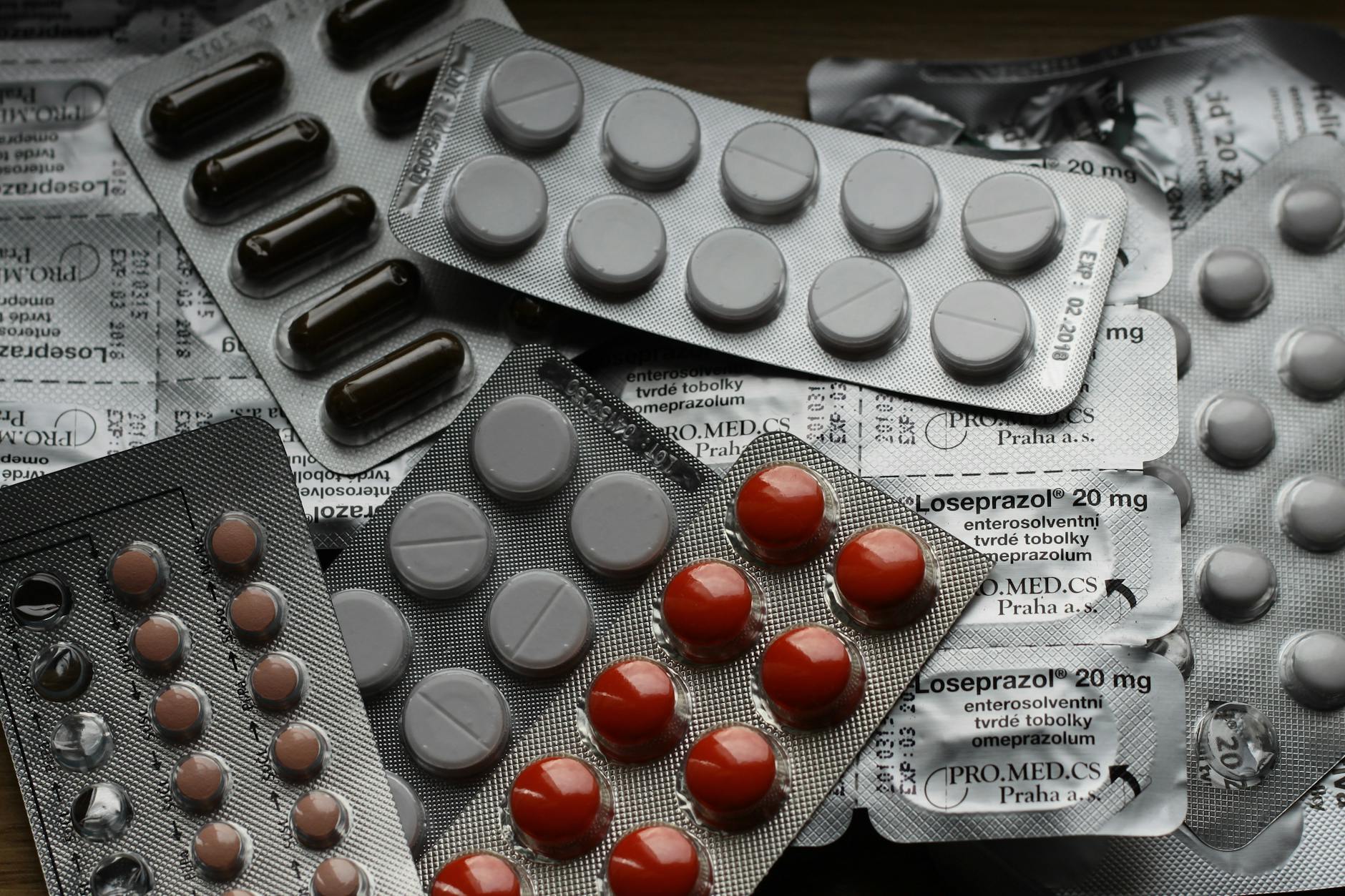
The use of Artificial Intelligence (AI) in drug discovery is revolutionizing the pharmaceutical industry by significantly reducing the time and cost associated with finding new medicines. With the ability to analyze vast amounts of data, AI algorithms can identify potential drug candidates, predict their efficacy and safety, and optimize their chemical structures for better performance.
Background & History
The concept of using AI in drug discovery dates back to the 1980s, but it wasn't until the 2010s that the technology began to gain traction. The advent of deep learning techniques and the availability of large datasets have enabled AI to play a major role in the drug discovery process. Companies like IBM and Google have been at the forefront of this movement, with their AI platforms being used by pharmaceutical companies to accelerate the discovery of new medicines.
Key Developments
- In 2019, Atomwise, a company that uses AI for drug discovery, announced that it had discovered a potential treatment for Ebola using its AI platform. The discovery was made in a matter of days, compared to the months or years it would have taken using traditional methods.
- In 2020, Exscientia, a UK-based company, announced that it had used AI to discover a potential treatment for COVID-19. The company's AI platform was able to analyze vast amounts of data and identify a potential drug candidate in a matter of weeks.
Industry Analysis
The use of AI in drug discovery is having a significant impact on the pharmaceutical industry. According to a report by Deloitte, the use of AI in drug discovery can reduce the cost of bringing a new medicine to market by up to 70%. The report also found that AI can reduce the time it takes to discover a new medicine by up to 50%.
The use of AI in drug discovery is a game-changer for the pharmaceutical industry. It has the potential to significantly reduce the cost and time associated with finding new medicines, and to improve the efficacy and safety of those medicines.
Companies like Pfizer and GlaxoSmithKline are already using AI in their drug discovery processes. These companies are working with AI startups and academia to develop new AI platforms and to improve the accuracy of their AI algorithms.
Expert Perspective
According to Dr. Andrew Hopkins, CEO of Exscientia, AI has the potential to revolutionize the drug discovery process. He believes that AI can be used to analyze vast amounts of data and to identify potential drug candidates that would not have been found using traditional methods.
Future Outlook
The future of AI in drug discovery looks bright. As the technology continues to evolve, we can expect to see even more innovative applications of AI in the pharmaceutical industry. With the ability to analyze vast amounts of data and to identify potential drug candidates, AI has the potential to significantly improve the efficacy and safety of new medicines.
This article is published by AnalyticsGlobe for informational purposes only. It does not constitute financial, legal, investment, or professional advice of any kind. Always conduct your own research and consult qualified professionals before making any decisions.
AnalyticsGlobe Editorial
Published under the research and editorial standards of AnalyticsGlobe. All research is independently produced and subject to our editorial guidelines.