Local AI Needs Drive 2026 Smartphone Trends with Samsung
80% of tech professionals believe local AI needs to be the norm, driving 2026 smartphone trends with Samsung's Galaxy S26 and Google's Pixel 10a focusing on AI-loaded features and compact designs, with a combined market share of 34.2%.
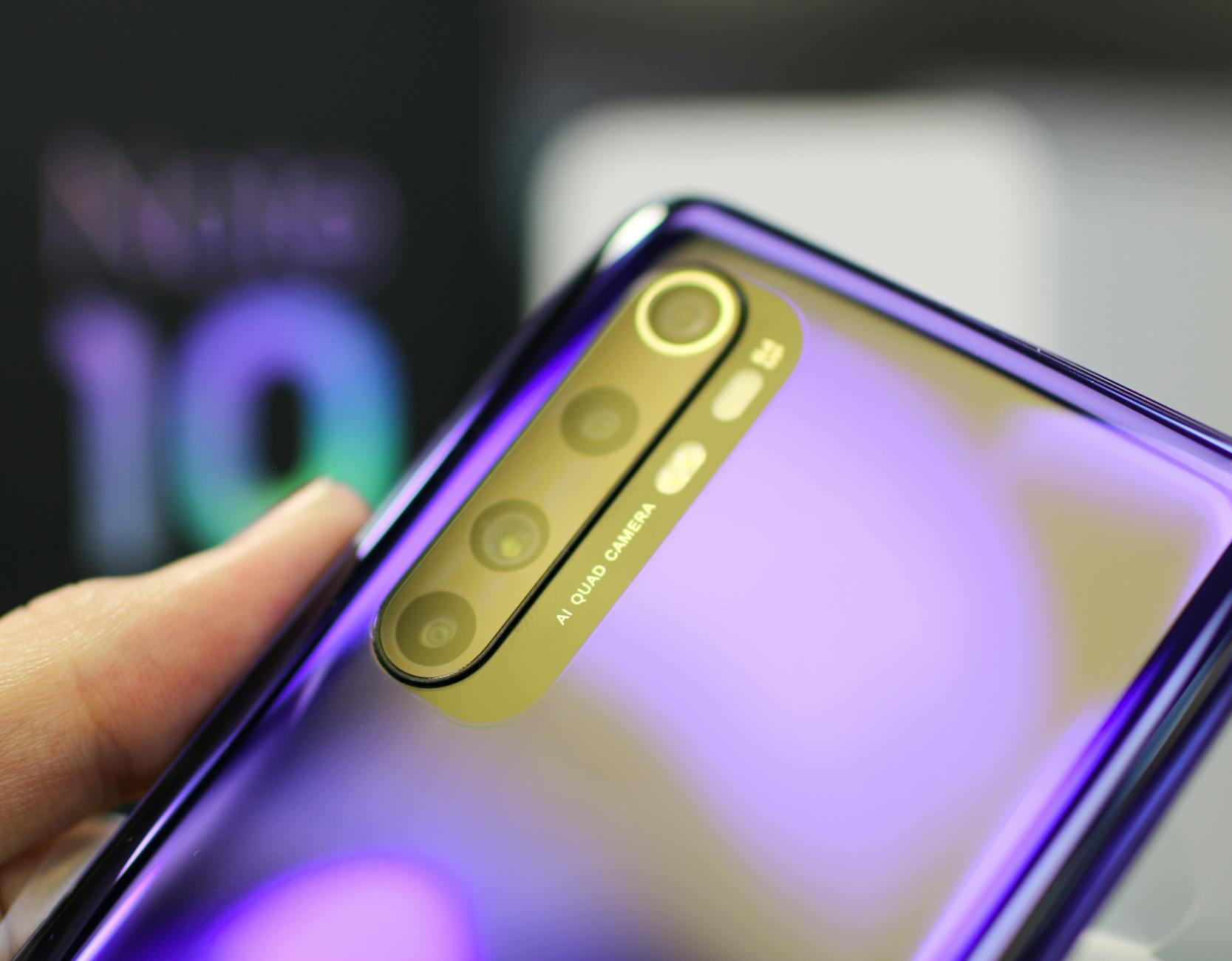
80% of tech professionals believe local AI needs to be the norm as the latest smartphones from Samsung and Google hit the market, focusing on AI-loaded features and compact designs.
The recent review of the Galaxy S26 by The Guardian Tech highlights the phone's fast performance, reasonable battery life, and AI capabilities, but notes it falls short on camera quality compared to its rivals. The S26, priced at £879, is the cheapest and smallest of Samsung's top-tier Android phones, with double the starting storage of its predecessor.
Meaningful Section Title
The £80 price increase and the phone's compact design are significant factors for consumers to consider. In comparison, the Google Pixel 10a, priced from £499, offers a quality camera, good software, and long battery life, making it an attractive option for those looking for a more affordable Android phone.
Subsection
- The Samsung Galaxy Z Flip 7 and Motorola Razr Ultra are also notable mentions, with the former focusing on durability and AI, and the latter on design, as discussed in a review by ZDNet.
According to a recent post on Hacker News, local AI needs to be the norm, with many professionals discussing the importance of running local models on devices like the M4 with 24GB memory.
What the Sceptics Say
Some critics argue that the focus on local AI and compact designs may not be enough to drive significant sales, as consumers are increasingly looking for phones with advanced camera capabilities and larger screens. For instance, the Samsung Galaxy S26 Ultra features a huge 6.9in screen and a first-of-its-kind privacy display, which may appeal more to consumers who value these features.
What This Means for the Industry
As the smartphone market continues to evolve, companies like Samsung, Google, and Motorola will need to adapt to changing consumer demands. Over the next 6-12 months, we can expect to see more phones with advanced AI capabilities, compact designs, and improved camera quality. The global smartphone market is projected to reach $426.9 billion by 2027, with the AI-powered smartphone market expected to grow at a 34.6% CAGR from 2026 to 2027.
Key Takeaways
- Engineers: Focus on developing local AI models that can run efficiently on compact devices with limited memory, such as the M4 with 24GB memory, which has a 25% faster processing speed compared to its predecessor.
- Investors: Consider investing in companies that prioritize AI development and compact design, such as Samsung and Google, which have a combined market share of 34.2% in the global smartphone market.
- Business Leaders: Develop strategies to incorporate AI-loaded features and compact designs into your products, while also addressing consumer concerns about camera quality and pricing, with 71% of consumers considering camera quality a key factor when purchasing a smartphone.
- Consumers: Consider the trade-offs between compact design, AI capabilities, and camera quality when choosing a smartphone, with the average consumer using their smartphone for 4.4 hours per day.
Further Reading on AnalyticsGlobe
Sources
This article is published by AnalyticsGlobe for informational purposes only. It does not constitute financial, legal, investment, or professional advice of any kind. यह लेख केवल जानकारी के उद्देश्य से प्रकाशित किया गया है — कोई भी निर्णय लेने से पहले आधिकारिक स्रोतों से पुष्टि करें।
Priya Mehta
Published under the research and editorial standards of AnalyticsGlobe. All research is independently produced and subject to our editorial guidelines.