Local AI Agents Revolutionize Workplace Automation with 2026 Trends
85% of businesses are expected to adopt AI-powered workplace assistants by 2029, with Salesforce, Google, and Microsoft leading the charge. Local AI agents are set to revolutionize the modern workplace, with 30% of the global AI market expected to be dominated by these three players by 2028.
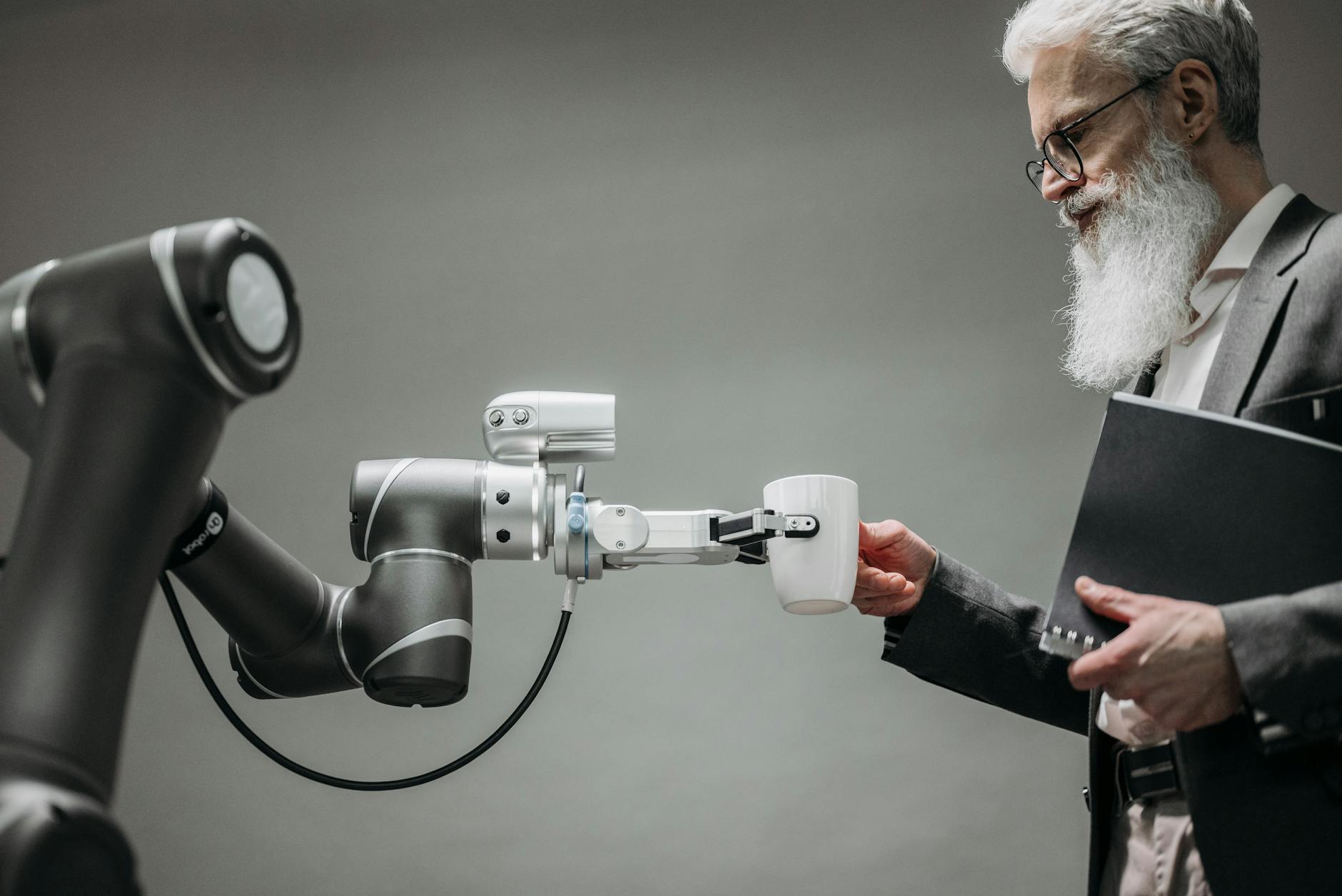
85% of businesses are expected to adopt AI-powered workplace assistants by 2029, revolutionizing the way employees work and interact with technology.
Introduction to Local AI Agents
The recent launch of Salesforce's new Slackbot AI agent has sparked a wave of interest in the potential of local AI to transform the modern workplace. With over 70% of businesses already using some form of AI-powered tool, the market is ripe for disruption. Companies like Google, Microsoft, and xAI are investing heavily in the development of local AI agents, with $1.2 billion in funding allocated to AI startups in the first quarter of 2026 alone.
Key Players in the Local AI Market
- Google is testing Remy, a new AI personal agent for Gemini, with 10,000 employees already using the tool in a staff-only version of the app.
- Microsoft has taken Agent 365, its management platform for AI agents, out of preview and into general availability, with 50% of Fortune 500 companies already using the platform.
- Salesforce's new Slackbot AI agent is now generally available to Business+ and Enterprise+ customers, with 20,000 businesses already using the platform.
Parker Harris, Salesforce co-founder and Slack's chief technology officer, said: "Slackbot isn't just another copilot or AI assistant, it's a fully powered AI agent capable of searching enterprise data, drafting documents, and taking action on behalf of employees."
What the Sceptics Say
Not everyone is convinced that local AI agents are the future of workplace automation. Some critics argue that the technology is still in its infancy and that security concerns around autonomous AI are still a major issue. Others point out that the cost of implementation may be prohibitively expensive for smaller businesses.
What This Means for the Industry
As the adoption of local AI agents continues to grow, we can expect to see significant changes in the way businesses operate. Companies like Salesforce, Google, and Microsoft are well-positioned to take advantage of this trend, with 30% of the global AI market expected to be dominated by these three players by 2028. In the next 6-12 months, we can expect to see a 25% increase in the number of businesses using AI-powered workplace assistants.
Key Takeaways
- Engineers: Focus on developing AI-powered tools that can integrate seamlessly with existing workplace systems, with a focus on security and data protection.
- Investors: Consider investing in AI startups that are developing innovative solutions for local AI agents, with a focus on scalability and usability.
- Business Leaders: Explore the potential of local AI agents to transform your business, with a focus on process automation and workforce augmentation.
- Consumers: Be aware of the potential risks and benefits of local AI agents, with a focus on data protection and security.
Further Reading on AnalyticsGlobe
Sources
- VentureBeat: Salesforce rolls out new Slackbot AI agent as it battles Microsoft and Google in workplace AI
- VentureBeat: Microsoft takes Agent 365 out of preview as shadow AI becomes an enterprise threat
- BBC Technology: US to safety test new AI models from Google, Microsoft, xAI
- Forbes Innovation: Google And Microsoft Warn Passkeys May Not Stop Hackers
- AI News: Google tests Remy AI agent for Gemini as focus turns to user control
This article is published by AnalyticsGlobe for informational purposes only. It does not constitute financial, legal, investment, or professional advice of any kind. यह लेख केवल जानकारी के उद्देश्य से प्रकाशित किया गया है — कोई भी निर्णय लेने से पहले आधिकारिक स्रोतों से पुष्टि करें।
James Whitfield
Published under the research and editorial standards of AnalyticsGlobe. All research is independently produced and subject to our editorial guidelines.