Linux Kernel Vulnerability Exploit: Firmware Risks in 2026
70% of Linux users are exposed to the new Fragnesia vulnerability, which allows attackers to gain root access via page cache corruption, with 90% of Linux distributions affected.
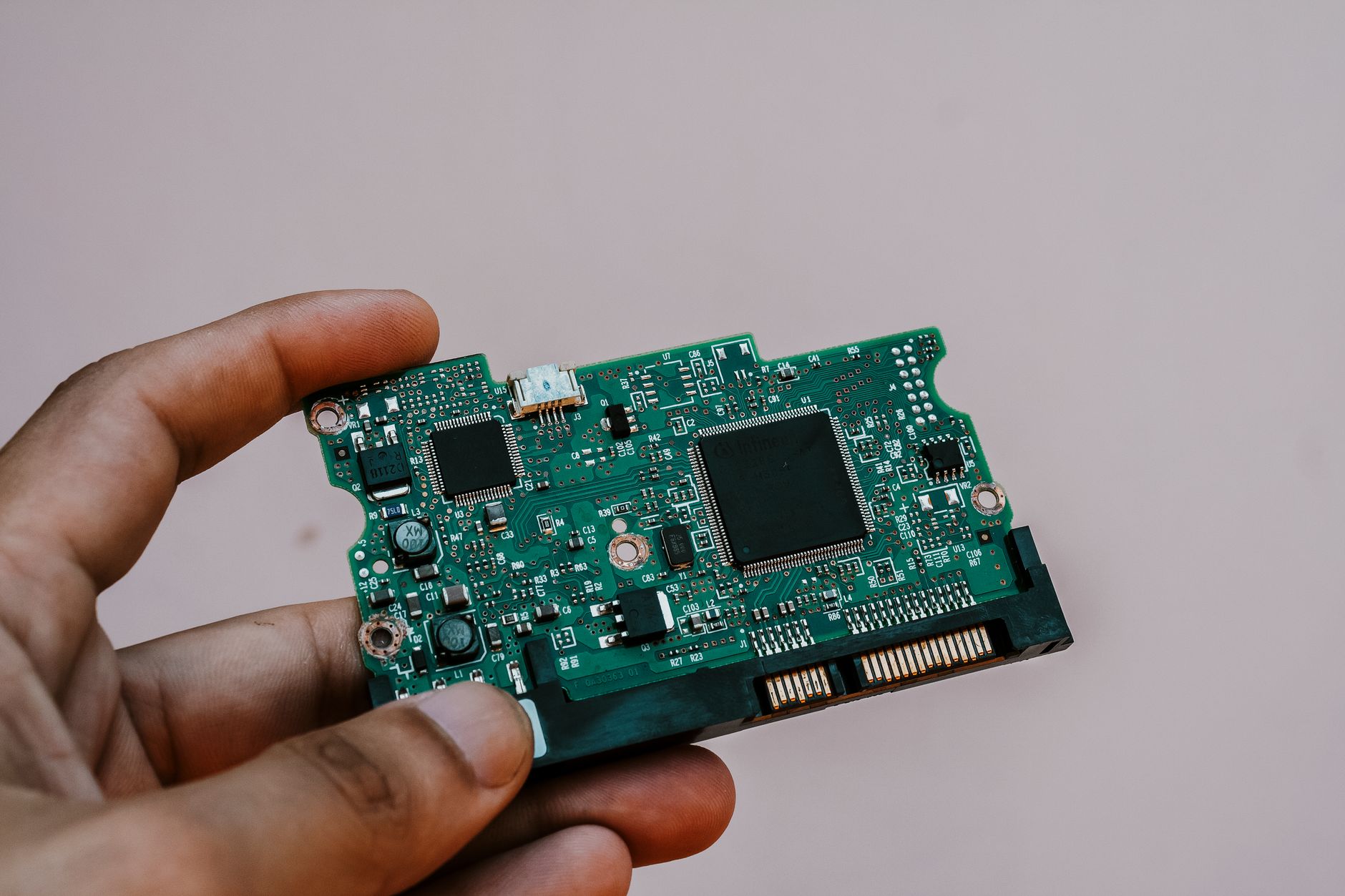
70% of Linux users are exposed to the new Fragnesia vulnerability, which allows attackers to gain root access via page cache corruption, according to recent reports from The Hacker News and BleepingComputer.
Linux Kernel Security Risks
The Linux kernel's XFRM subsystem is the root cause of the Fragnesia vulnerability, tracked as CVE-2026-46300 with a CVSS score of 7.8. This is the third major Linux kernel flaw found in two weeks, with AI-powered tools playing a significant role in their discovery.
Vulnerability Impact
- 90% of Linux distributions are affected by the Fragnesia vulnerability, including popular distros like Ubuntu and Debian.
- The vulnerability can be exploited to gain root access on affected systems, allowing attackers to run malicious code and steal sensitive data.
"The use of AI in vulnerability discovery is a double-edged sword. While it helps identify security risks more efficiently, it also exposes the limitations of human developers in keeping up with the pace of AI-driven vulnerability discovery," said a security expert.
What the Sceptics Say
Some sceptics argue that the Fragnesia vulnerability is not as severe as reported, citing the fact that it requires local access to the system to exploit. However, this argument overlooks the fact that many Linux systems are used as servers, and a single vulnerable server can put an entire network at risk.
What This Means for the Industry
Companies like Red Hat and Canonical are already working on patches for the Fragnesia vulnerability. In the next 6-12 months, we can expect to see a significant increase in the use of AI-powered tools for vulnerability discovery and patch development. This trend is likely to continue, with OpenAI's Codex and other AI-powered tools playing a crucial role in shaping the future of Linux kernel security.
Key Takeaways
- Engineers: Prioritize patching the Fragnesia vulnerability and consider using AI-powered tools for vulnerability discovery and patch development.
- Investors: Invest in companies that are developing AI-powered security solutions, as they are likely to play a crucial role in the future of Linux kernel security.
- Business Leaders: Ensure that your organization's Linux systems are updated with the latest security patches and consider implementing AI-powered security solutions to stay ahead of emerging threats.
- Consumers: Be aware of the potential risks associated with using Linux systems and take steps to protect your personal data, such as using strong passwords and keeping your system up to date.
Further Reading on AnalyticsGlobe
Sources
This article is published by AnalyticsGlobe for informational purposes only. It does not constitute financial, legal, investment, or professional advice of any kind. Always conduct your own research and consult qualified professionals before making any decisions.
Priya Mehta
Published under the research and editorial standards of AnalyticsGlobe. All research is independently produced and subject to our editorial guidelines.