India's Startup Space Ramps Up Launchpad Support in 2026
Over 400 satellites are being launched by Amazon and SpaceX in 2026, marking a significant milestone in the space industry's commercialization, with 1,000 launches expected by the end of the year.
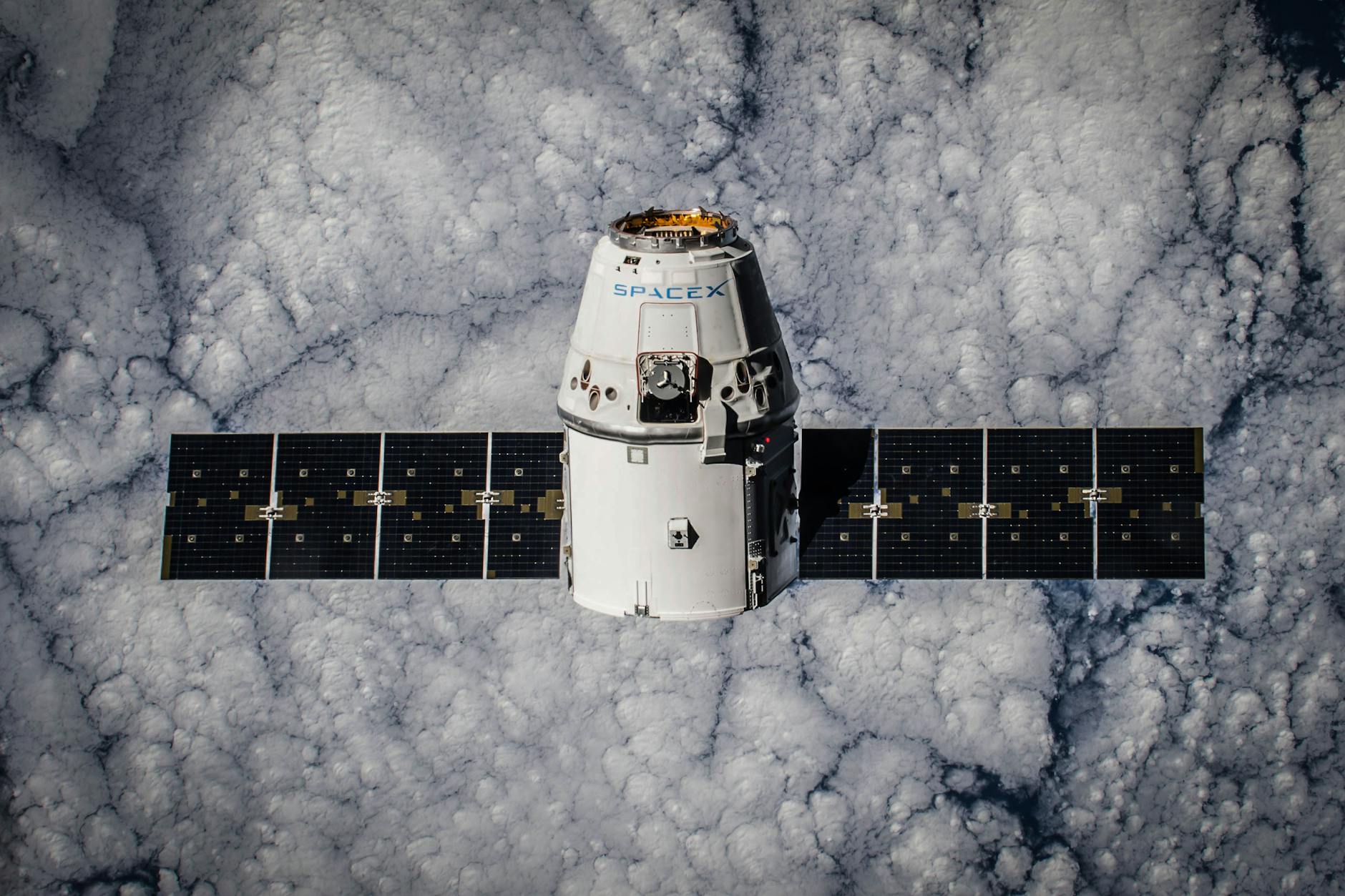
Over 400 satellites are being launched by Amazon and SpaceX in 2026, marking a significant milestone in the space industry's commercialization. This surge in satellite launches is driven by the growing demand for low-Earth orbit (LEO) constellations, which are expected to revolutionize global broadband connectivity.
SpaceX's Millenary Milestone
According to a report by Ars Technica, SpaceX is nearing its 1,000th rocket launch, with the Indian startup Skyroot Aerospace preparing for its maiden launch. This achievement highlights the rapid growth of the private space industry, with $10 billion in investments pouring in over the past year.
Amazon's Leo Constellation
Amazon's Leo constellation has reached 400 satellites, with plans to launch broadband services later this year. The company's efforts are likely to give SpaceX's Starlink a run for its money, with the latter having already launched 3,000 satellites into orbit. This competition is expected to drive innovation and reduce costs, making satellite-based internet more accessible to the masses.
"The space industry is poised for a significant transformation, with private companies driving innovation and pushing the boundaries of what's possible," said a spokesperson for Skyroot Aerospace.
What the Sceptics Say
Some critics argue that the rapid proliferation of satellites in LEO could lead to space debris and increased risk of collisions. While this is a valid concern, companies like SpaceX and Amazon are working to develop sustainable solutions, including de-orbiting and recycling of satellites.
What This Means for the Industry
The growth of the private space industry is expected to create new opportunities for companies like Blue Origin, Virgin Galactic, and OneWeb. Over the next 6-12 months, we can expect to see significant advancements in satellite technology, with a focus on 5G connectivity and IoT applications. The Indian government's support for the space industry, including the Indian Space Research Organisation (ISRO), is also expected to play a crucial role in driving growth.
Key Takeaways
- Engineers: Focus on developing sustainable solutions for space debris and collision risk, while exploring new applications for LEO constellations.
- Investors: Consider investing in companies like Skyroot Aerospace and Blue Origin, which are poised to drive innovation in the private space industry.
- Business Leaders: Develop strategies to leverage the growing demand for satellite-based internet and IoT applications, while partnering with companies like Amazon and SpaceX.
- Consumers: Expect significant improvements in global broadband connectivity, with faster and more reliable internet services becoming available in the near future.
Further Reading on AnalyticsGlobe
Sources
- Ars Technica: Rocket Report: Indian startup nears first launch; SpaceX's millenary milestone
- The Register: Amazon Leo constellation nears 400 satellites as broadband launch looms
- CNBC Technology: First known congressional SpaceX stock buys surface after record IPO
As the space industry continues to evolve, engineers should focus on developing sustainable solutions, investors should consider investing in innovative companies, and business leaders should develop strategies to leverage the growing demand for satellite-based internet and IoT applications.
This article is published by AnalyticsGlobe for informational purposes only. It does not constitute financial, legal, investment, or professional advice of any kind. Always conduct your own research and consult qualified professionals before making any decisions.
Ananya Rao
Published under the research and editorial standards of AnalyticsGlobe. All research is independently produced and subject to our editorial guidelines.