IBM's 100 Billion Transistor Chip Breakthrough: AI and Data Implications
IBM achieves a record-breaking 100 billion transistors on a single chip, doubling current capacity and promising significant boosts to AI and data processing. This milestone could impact companies like OpenAI and Micron.
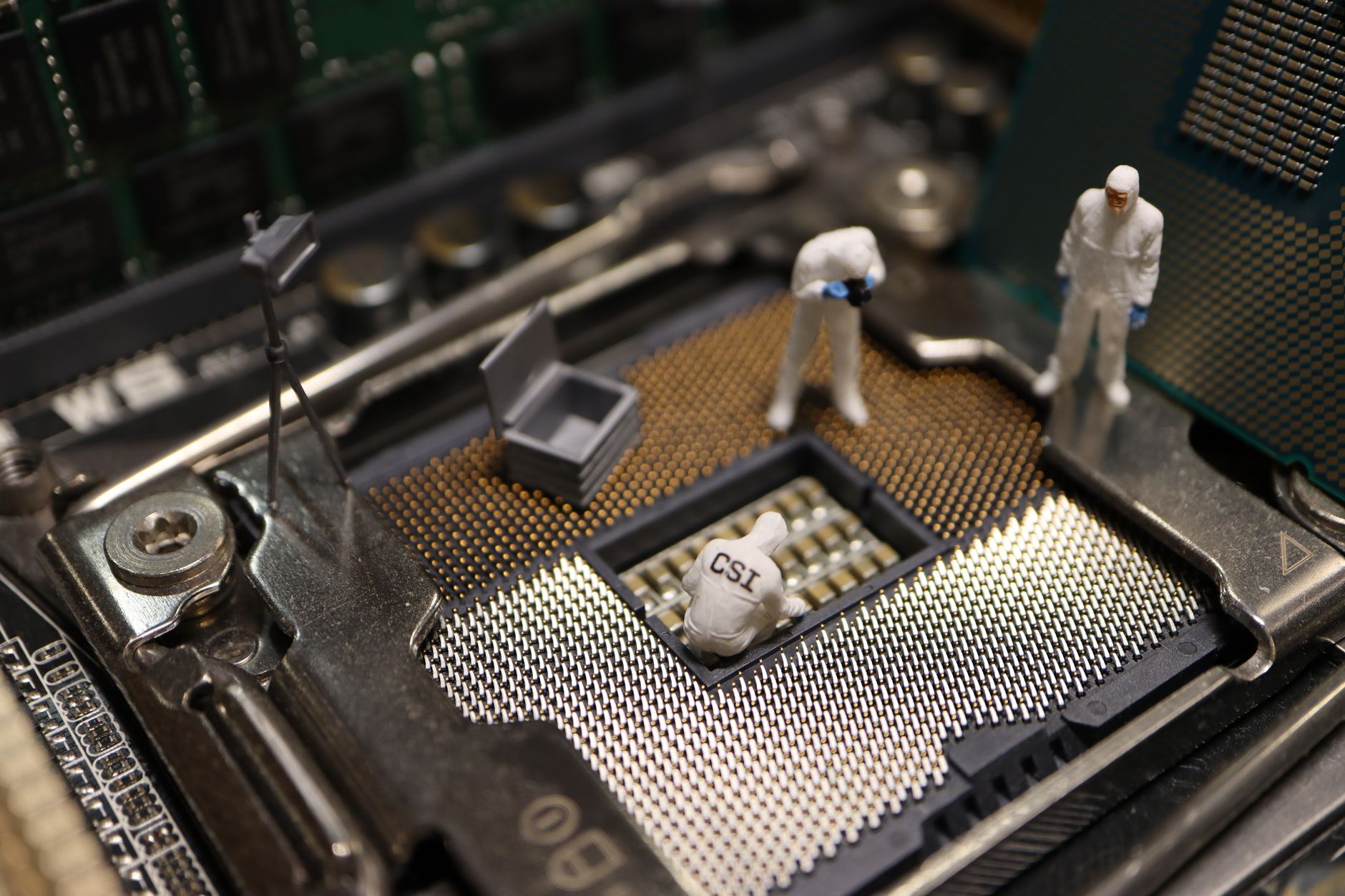
100 billion transistors on a single chip is the new benchmark set by IBM, doubling the current state-of-the-art chip's capacity. This achievement, as reported by New Scientist, is expected to significantly boost computing power and efficiency, particularly in the realm of artificial intelligence (AI) and data processing.
The Technology Behind the Breakthrough
IBM's innovative approach involves adding a second layer of silicon circuitry, effectively increasing the chip's transistor density without having to shrink the size of the transistors themselves. This 3D nanostack chip architecture allows for the integration of 100 billion transistors on a single chip, a 50% increase over the previous record.
Market Impact
- The global chip market, valued at $520 billion in 2022, is expected to grow to $710 billion by 2025, driven in part by advancements like IBM's.
- Micron Technology, an American memory chip manufacturer, recently reported record quarterly results due to high demand from AI-dedicated data centers, as covered by TechXplore.
"The race for the first sub-one-nanometer chip is over, and IBM has won," stated ZDNet, highlighting the significance of this technological milestone.
What the Sceptics Say
Some critics argue that while this breakthrough is impressive, the real challenge lies in mass-producing these chips without significant increases in cost or decreases in yield. Moreover, the software and hardware ecosystem needs to be ready to fully utilize the potential of such powerful chips, a point echoed by Krebs on Security in the context of security updates and patches.
What This Means for the Industry
Companies like OpenAI, which recently unveiled its first custom chip built by Broadcom, will likely be impacted by this development. As the tech industry moves towards more AI-centric applications, the demand for powerful, efficient chips will continue to rise. Over the next 6-12 months, we can expect to see IBM, Micron, and other chip manufacturers investing heavily in research and development to stay competitive.
Key Takeaways
- Engineers: Should focus on developing software that can fully leverage the capabilities of these new chips, including optimizing for AI workloads.
- Investors: Should consider investing in companies at the forefront of chip technology and AI development, as these sectors are expected to see significant growth.
- Business Leaders: Need to plan for the integration of these powerful chips into their data centers and AI systems, considering both the cost benefits and the security implications.
- Consumers: Can expect to see faster, more efficient devices in the near future, from smartphones to data center services, driven by advancements in chip technology.
As engineers, investors, and business leaders look to the future, they should now be investing in AI research, diversifying their tech portfolios, and planning for the strategic integration of new chip technologies to stay ahead in their respective fields.
Further Reading on AnalyticsGlobe
Sources
- New Scientist: Record-breaking IBM chip uses trick to cram in 100 billion transistors
- TechXplore: AI-fueled demand boosts US chip producer Micron to record results
- Krebs on Security: A Record-Breaking Patch Tuesday for June 2026
- ZDNet: IBM says it can fit nearly 100 billion transistors on a chip - why the milestone matters
This article is published by AnalyticsGlobe for informational purposes only. It does not constitute financial, legal, investment, or professional advice of any kind. यह लेख केवल जानकारी के उद्देश्य से प्रकाशित किया गया है — कोई भी निर्णय लेने से पहले आधिकारिक स्रोतों से पुष्टि करें।
Rahul Nair
Published under the research and editorial standards of AnalyticsGlobe. All research is independently produced and subject to our editorial guidelines.