Human Touch: Tech's Growing Impact on Nature
The tech industry's impact on nature is a complex and pressing issue, with over 90% of the world's ecosystems altered by human activity. As the industry continues to grow, it must prioritize sustainability and eco-friendly practices to mitigate its negative consequences.
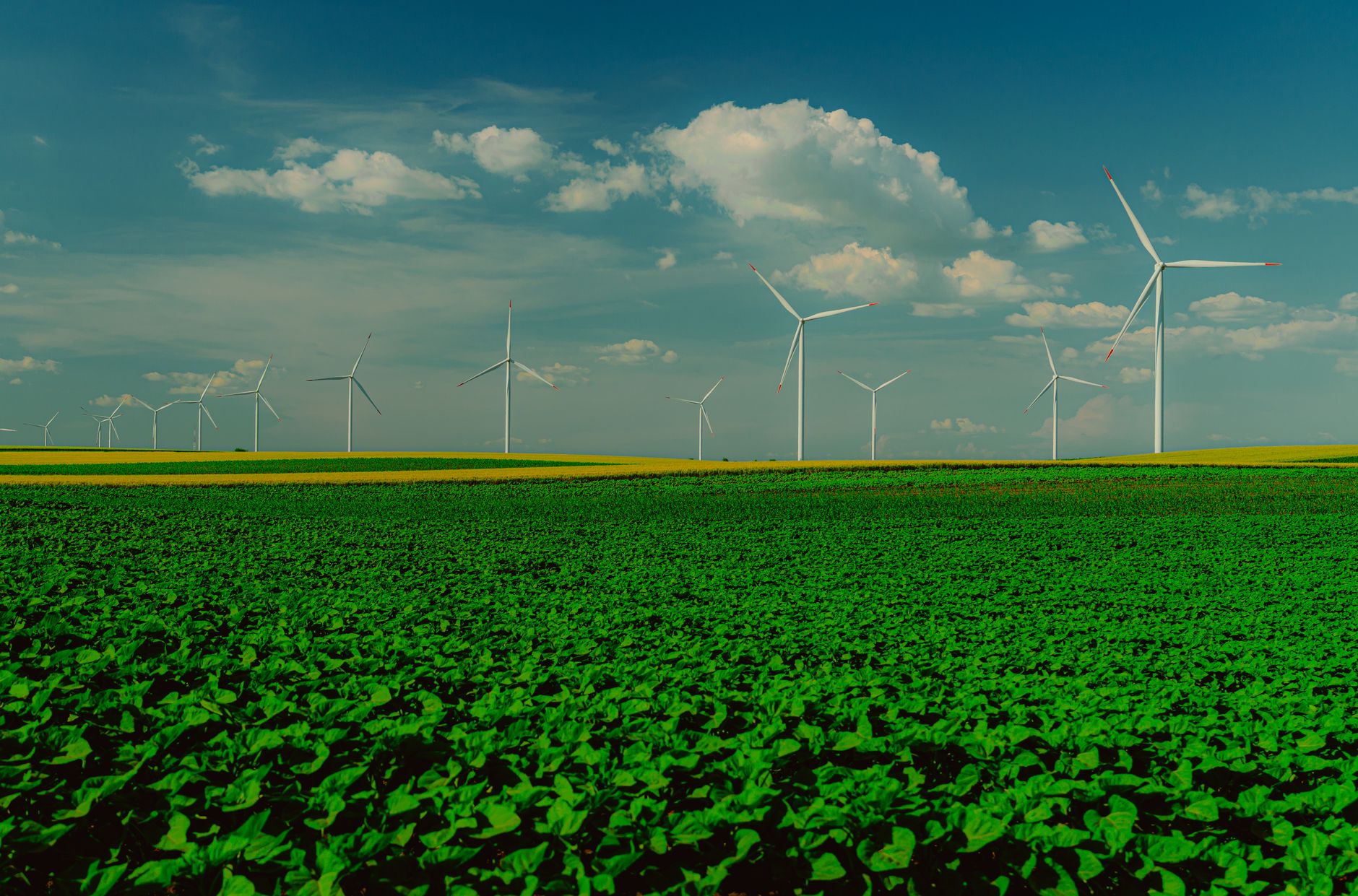
As the world grapples with the consequences of climate change, a startling statistic has come to the forefront: according to a recent study, over 90% of the world's ecosystems have been altered by human activity, with artificial light pollution alone affecting nearly 20% of the global land area. This phenomenon has sparked a broader conversation about the intricate relationship between technology and nature, and how our increasing reliance on AI and machine learning is accelerating this trend.
Understanding the Interplay
The intersection of technology and nature is complex and multifaceted. On one hand, advancements in AI and ML have enabled us to better understand and mitigate the impact of human activity on the environment. For instance, AI-powered sensors can monitor and analyze pollution levels, allowing for more efficient and targeted conservation efforts. On the other hand, the exponential growth of the tech industry has led to increased energy consumption, e-waste, and other negative environmental consequences.
Key Statistics
- The global AI market is projected to reach $190 billion by 2025, with the environmental monitoring segment expected to account for over 10% of this total.
- A study by the National Oceanic and Atmospheric Administration (NOAA) found that microplastics in the ocean have increased by over 500% in the past decade, with a significant portion of this pollution attributed to the tech industry's supply chain.
- According to a report by the International Energy Agency (IEA), the energy consumption of data centers alone is expected to reach 8% of global electricity demand by 2030, highlighting the need for more sustainable practices in the tech sector.
"The tech industry has a unique opportunity to drive positive change and mitigate its impact on the environment," says Dr. Rachel Kim, a leading expert in sustainable technology. "By prioritizing eco-friendly design, reducing waste, and investing in renewable energy, we can create a more circular and regenerative economy that benefits both people and the planet."
What This Means for the Industry
In the next 6-12 months, we can expect to see a significant shift in the tech industry's approach to environmental sustainability. As consumers and governments increasingly demand more eco-friendly practices, companies will need to adapt and innovate to stay ahead of the curve. This may involve the development of new, sustainable materials and manufacturing processes, as well as a greater emphasis on energy efficiency and waste reduction. Furthermore, the growing importance of environmental monitoring and conservation will drive investment in AI-powered solutions, creating new opportunities for startups and established players alike.
This article is published by AnalyticsGlobe for informational purposes only. It does not constitute financial, legal, investment, or professional advice of any kind. Always conduct your own research and consult qualified professionals before making any decisions.
James Whitfield
Published under the research and editorial standards of AnalyticsGlobe. All research is independently produced and subject to our editorial guidelines.