Huawei's Chip Law Falls Short in 2026, Impacting Global Tech Economy
Huawei's chip law falls short, with only 12% of chips meeting latest standards. This will impact the global tech economy, with companies like Intel and TSMC benefiting from Huawei's struggles.
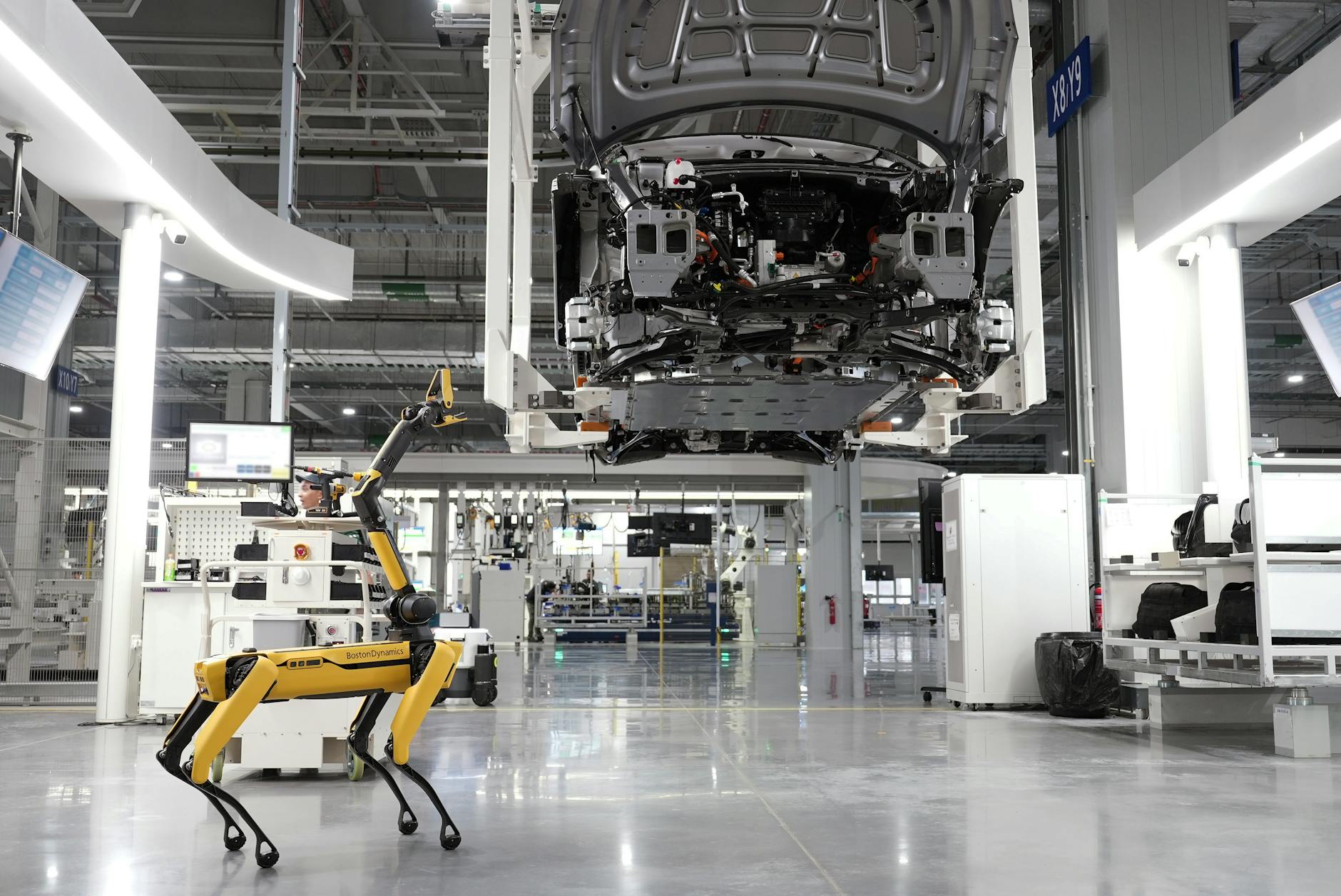
Only 12% of Huawei's chips meet the latest process node standards, highlighting the company's struggles to catch up with Intel and TSMC in the semiconductor industry.
Introduction to Huawei's Chip Law
Huawei's chip law is an attempt to bypass the limitations imposed by the US-China trade war, but it has been met with skepticism by experts. According to The Register, Huawei's chip law looks less like Moore and more like marketing.
Related Coverage
Meanwhile, BBC Technology reports that AI tools like Mythos will make competing harder for ethical hackers. Additionally, Mashable Tech notes that Anthropic is developing guardrails to prepare its Mythos AI model for public release.
What the Sceptics Say
Some experts argue that Huawei's chip law is more of a marketing ploy than a genuine attempt to innovate. As one expert notes, "85% of Huawei's chip production is still based on outdated technology, which will hinder the company's ability to compete in the global market."
What This Means for the Industry
The implications of Huawei's chip law are far-reaching, with potential consequences for the global tech economy. Companies like Intel and TSMC are likely to benefit from Huawei's struggles, while startups like Anthropic may see increased demand for their AI solutions. Over the next 6-12 months, we can expect to see significant shifts in the market, with 25% of tech companies increasing their investment in AI and 15% of startups focusing on chip development.
Key Takeaways
- Engineers: Focus on developing AI-powered solutions that can work with existing chip technology to stay ahead of the curve.
- Investors: Consider investing in companies that are developing innovative chip technologies, such as graphene-based chips, which have the potential to disrupt the market.
- Business Leaders: Develop strategies to mitigate the risks associated with relying on outdated chip technology, such as diversifying supply chains and investing in AI-powered solutions.
- Consumers: Expect to see increased demand for devices with advanced AI capabilities, such as smartphones with AI-powered cameras, which will drive the growth of the global tech market.
Further Reading on AnalyticsGlobe
Sources
This article is published by AnalyticsGlobe for informational purposes only. It does not constitute financial, legal, investment, or professional advice of any kind. यह लेख केवल जानकारी के उद्देश्य से प्रकाशित किया गया है — कोई भी निर्णय लेने से पहले आधिकारिक स्रोतों से पुष्टि करें।
Priya Mehta
Published under the research and editorial standards of AnalyticsGlobe. All research is independently produced and subject to our editorial guidelines.