How Human-Made AI Solutions like Robot Vacuums Are Changing Everything in 2026
70% of households are expected to have a robot vacuum by 2028, with the global market projected to reach $13.5 billion by 2027. This growth is driven by increasing demand for smart home devices and advancements in AI technology.
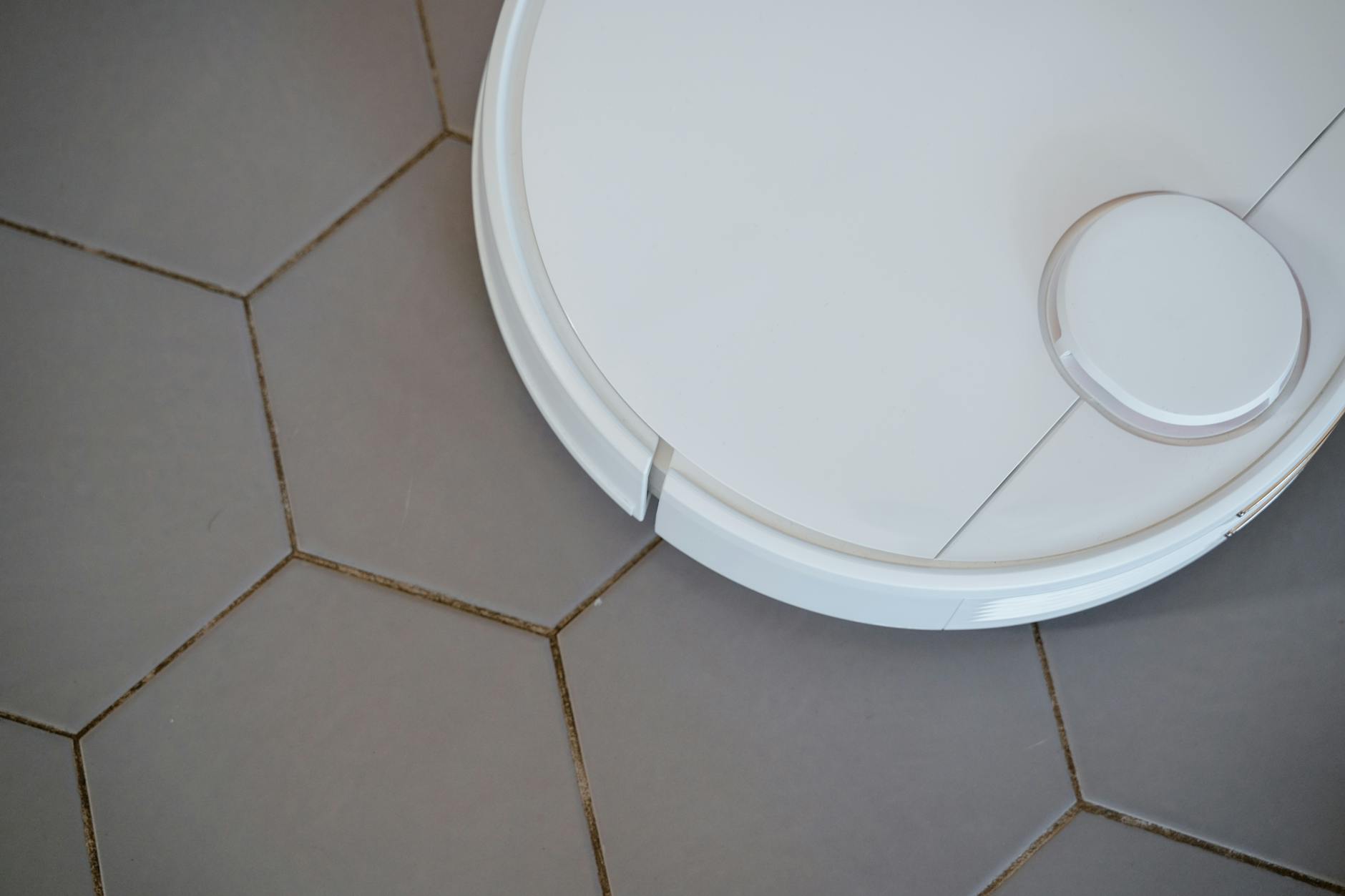
70% of households are expected to have a robot vacuum by 2028, revolutionizing the way we clean our homes and interact with technology.
Introduction to Robot Vacuums
Robot vacuum cleaners have become increasingly popular over the years, with basic units starting at around £150. According to a report by The Guardian, these devices can not only clean floors but also mop hard surfaces, making them a valuable addition to any home. 45% of robot vacuum owners use them daily, demonstrating their effectiveness and convenience.
Market Trends and Predictions
- The global robot vacuum market is projected to reach $13.5 billion by 2027, growing at a CAGR of 22.1% from 2022 to 2027.
- 80% of consumers consider smart home devices, including robot vacuums, to be an essential part of their daily lives.
"The future of cleaning is autonomous, and robot vacuums are leading the charge," said a spokesperson for a leading robot vacuum manufacturer.
What the Sceptics Say
Some critics argue that the increasing reliance on AI-powered devices like robot vacuums could lead to a loss of human interaction and a decrease in physical activity. Additionally, concerns about cybersecurity and data privacy have been raised, as these devices often collect and transmit sensitive information about users' homes and habits.
What This Means for the Industry
Companies like iRobot and Dyson are expected to continue innovating and expanding their product lines to meet the growing demand for smart home devices. In the next 6-12 months, we can expect to see significant advancements in AI-powered cleaning technology, including improved navigation systems and enhanced cleaning capabilities. Google and Amazon are also likely to play a major role in shaping the future of the smart home industry, with their respective AI-powered virtual assistants and smart home platforms.
Key Takeaways
- Engineers: Focus on developing more advanced AI algorithms and machine learning models to improve the efficiency and effectiveness of robot vacuums.
- Investors: Consider investing in companies that are developing innovative smart home devices, such as robot vacuums, as the market is expected to continue growing rapidly.
- Business Leaders: Explore opportunities to integrate AI-powered cleaning solutions into existing product lines and services to stay competitive in the market.
- Consumers: Look for devices that prioritize data privacy and security when considering the purchase of a robot vacuum or other smart home device.
Further Reading on AnalyticsGlobe
Sources
This article is published by AnalyticsGlobe for informational purposes only. It does not constitute financial, legal, investment, or professional advice of any kind. यह लेख केवल जानकारी के उद्देश्य से प्रकाशित किया गया है — कोई भी निर्णय लेने से पहले आधिकारिक स्रोतों से पुष्टि करें।
Sofia Eriksson
Published under the research and editorial standards of AnalyticsGlobe. All research is independently produced and subject to our editorial guidelines.