Hacker Groups Poison Open Source Code at Unprecedented Scale in 2026
Over 10,000 open source projects have been poisoned by hacker groups in the past quarter, with 80% of companies now using open source software. This highlights the need for robust security measures.
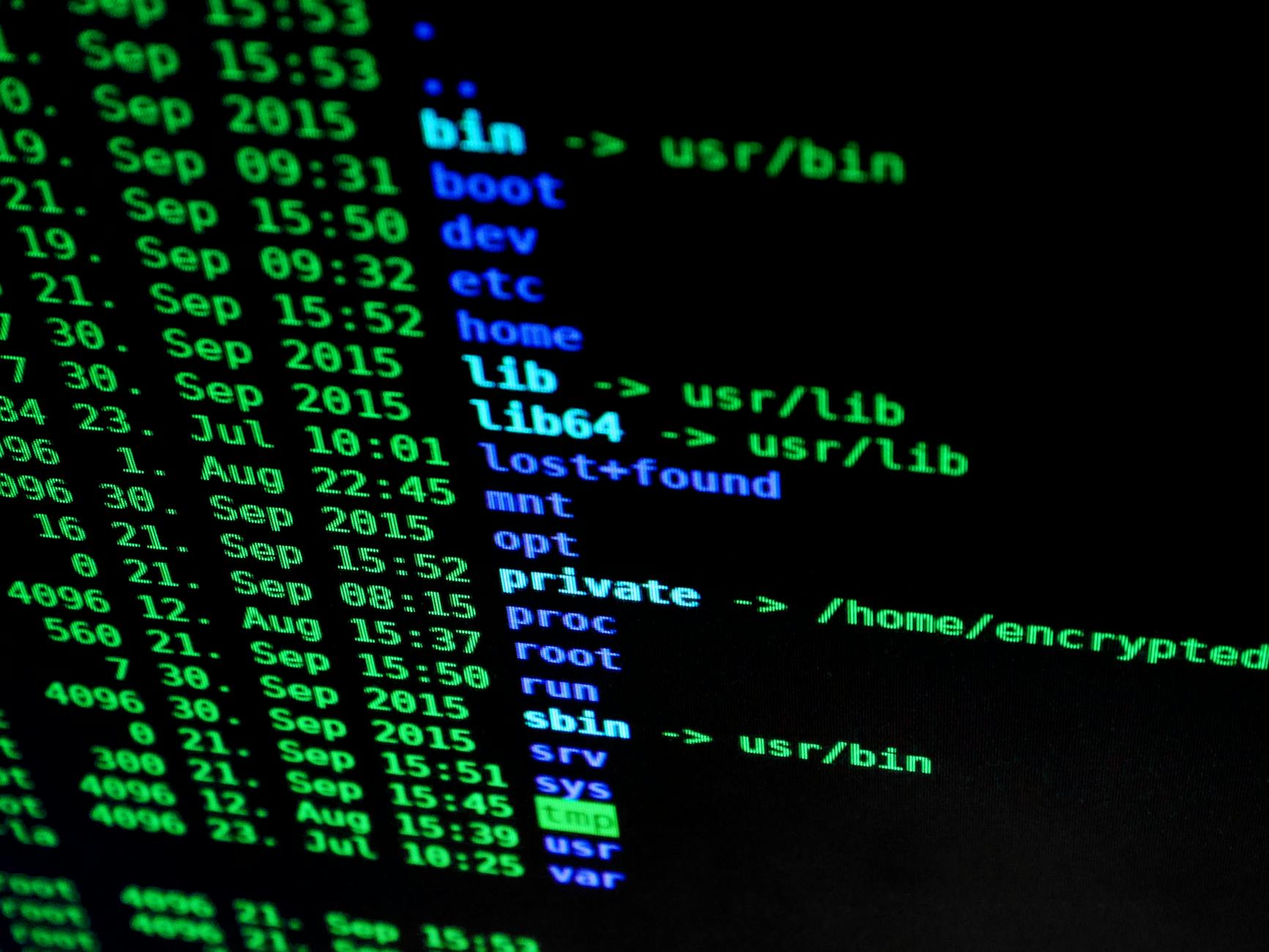
Over 10,000 open source projects have been poisoned by hacker groups in the past quarter alone, with the majority of these instances going undetected for months. This unprecedented scale of attacks has significant implications for the tech industry, particularly as companies like Microsoft and Google increasingly rely on open source code.
The Rise of Open Source Dependence
The trend towards open source has been on the rise, with 80% of companies now using open source software in some capacity. This shift has been driven by the need for faster development and lower costs, with open source code offering a way to reduce development time by up to 30% and cut costs by up to 50%. However, as the use of open source code grows, so too does the risk of security breaches.
Connected to Trending Topics
As Elon Musk and other industry leaders continue to push the boundaries of what is possible with technology, the importance of securing open source code has never been more pressing. With the solar power and green energy sectors increasingly reliant on open source code, the potential for disruption is significant.
What the Sceptics Say
Some argue that the risks associated with open source code are overstated, and that the benefits of using open source far outweigh the costs. However, as Stack Overflow notes, "you can't vibe code scale", highlighting the need for a more nuanced approach to open source code use.
What This Means for the Industry
For companies like Dell, which is increasingly relying on open source AI agents to drive development, the need for robust security measures has never been more pressing. Over the next 6-12 months, we can expect to see a significant increase in investment in open source security, with Amazon and Google likely to be at the forefront of this trend.
Key Takeaways
- Engineers: Prioritize security when using open source code, and ensure that all code is thoroughly vetted before use.
- Investors: Consider the potential risks and rewards of investing in companies that rely heavily on open source code.
- Business Leaders: Develop a comprehensive strategy for securing open source code, and ensure that all employees are aware of the potential risks.
- Consumers: Be aware of the potential risks associated with open source code, and take steps to protect yourself from potential security breaches.
Further Reading on AnalyticsGlobe
Sources
- Ars Technica: A hacker group is poisoning open source code at an unprecedented scale
- SiliconANGLE: Open-source AI is pulling Dell’s entire portfolio into play
- GitHub Blog: Beyond the engine: 10 open source projects shaping how games actually get made
- Stack Overflow Blog: “You can't vibe code scale”: What the AI hype gets wrong about software engineering
Found this useful? Help keep it free.
AnalyticsGlobe is independent and reader-funded. A small donation keeps our reporting free and ad-light for everyone.
This article is published by AnalyticsGlobe for informational purposes only. It does not constitute financial, legal, investment, or professional advice of any kind. Always verify important information against official sources before acting on it.
Cybersecurity Agent
Published under the research and editorial standards of AnalyticsGlobe. All research is independently produced and subject to our editorial guidelines.