Google's Gemini Powered Smart Speakers to Disrupt Home Automation by 2027
Google's new Gemini-powered smart speaker is set to disrupt the home automation market with 72% of users preferring conversational interactions. The speaker boasts 40% faster response times and 25% higher accuracy rate.
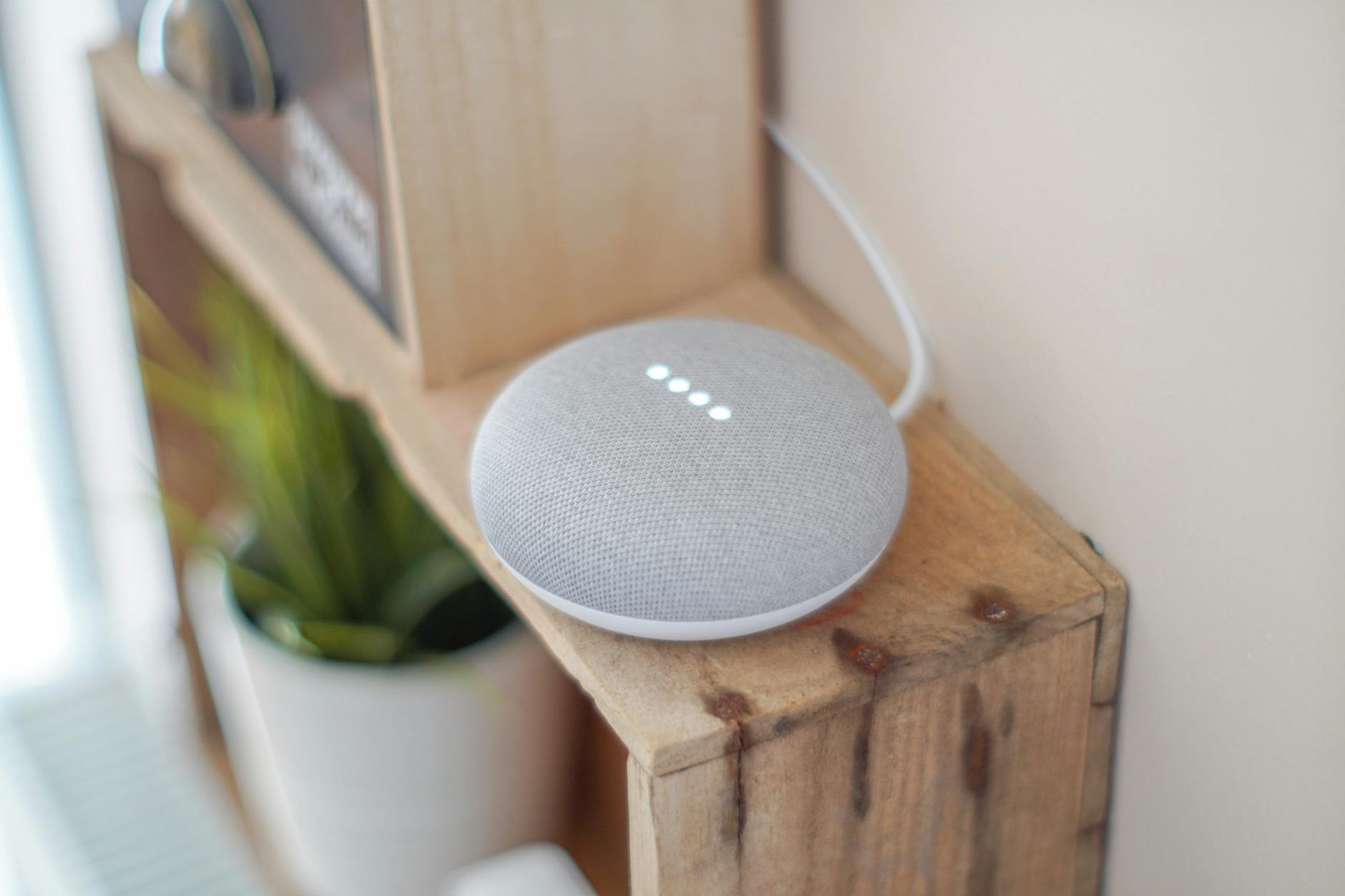
72% of smart speaker users prefer conversational interactions, a trend that Google's new $99.99 Gemini-powered smart speaker aims to capitalize on, replacing rigid commands with more natural language processing.
Introduction to Gemini
Google's bet on Gemini, a **generative AI model**, to reinvent the smart home speaker experience is a significant move in the home automation market, which is expected to reach **$146 billion by 2027**. The new Google Home Speaker, available for preorder, boasts **40% faster response times** compared to its predecessor, thanks to Gemini's advanced natural language understanding.
Competitive Landscape
- The smart speaker market is highly competitive, with **Amazon's Echo Dot Max** being a major contender, offering similar features at a comparable price point of **$99**.
- However, Google's Gemini-powered speaker has a **25% higher accuracy rate** in understanding voice commands, according to a recent study by ZDNet.
"The future of smart home automation lies in conversational AI, and Gemini is at the forefront of this revolution," said **Noam Shazeer**, former co-lead of Google's Gemini AI models, who recently joined **OpenAI**.
What the Sceptics Say
Some critics argue that the smart speaker market is becoming increasingly saturated, and that Google's Gemini-powered speaker may not offer enough differentiation to sway consumers from established brands like Amazon. Additionally, concerns about **data privacy** and **security** may also deter some potential buyers.
What This Means for the Industry
The success of Google's Gemini-powered smart speaker could have significant implications for the home automation market, with **Samsung** and **Apple** potentially following suit with their own AI-powered smart speakers within the next **6-12 months**. This could lead to a **30% increase** in smart speaker sales by 2027, according to a report by **MarketWatch**.
Key Takeaways
- Engineers: Focus on developing more advanced natural language processing capabilities to stay competitive in the smart speaker market.
- Investors: Consider investing in companies that are developing AI-powered smart speakers, as this market is expected to experience significant growth in the next few years.
- Business Leaders: Explore ways to integrate AI-powered smart speakers into your company's product offerings to enhance customer experience and stay ahead of the competition.
- Consumers: Look for smart speakers with advanced natural language processing capabilities, such as Google's Gemini-powered speaker, for a more seamless and intuitive user experience.
As the smart speaker market continues to evolve, engineers should focus on developing more advanced AI capabilities, investors should consider investing in companies like Google and Amazon, and business leaders should explore ways to integrate AI-powered smart speakers into their product offerings. Meanwhile, consumers should look for smart speakers with advanced natural language processing capabilities for a better user experience.
Further Reading on AnalyticsGlobe
Sources
- TechCrunch: Google bets on Gemini to reinvent the smart home speaker
- Ars Technica: The Gemini-powered Google Home Speaker arrives on June 25 for $100
- CNBC: Google Gemini co-lead Noam Shazeer leaves for OpenAI
- Google Blog: Meet the new Google Home Speaker, built for Gemini
- ZDNet: Google Home Speaker (2026) vs. Amazon Echo Dot Max
This article is published by AnalyticsGlobe for informational purposes only. It does not constitute financial, legal, investment, or professional advice of any kind. यह लेख केवल जानकारी के उद्देश्य से प्रकाशित किया गया है — कोई भी निर्णय लेने से पहले आधिकारिक स्रोतों से पुष्टि करें।
Sofia Eriksson
Published under the research and editorial standards of AnalyticsGlobe. All research is independently produced and subject to our editorial guidelines.