Google's Gemini Expansion Blocks Competition with 2026 Roadmap
Google's Gemini expansion will power 85% of smart devices by 2028, with a potential market size of $146 billion by 2027, but critics argue it may come at the cost of consumer choice and flexibility.
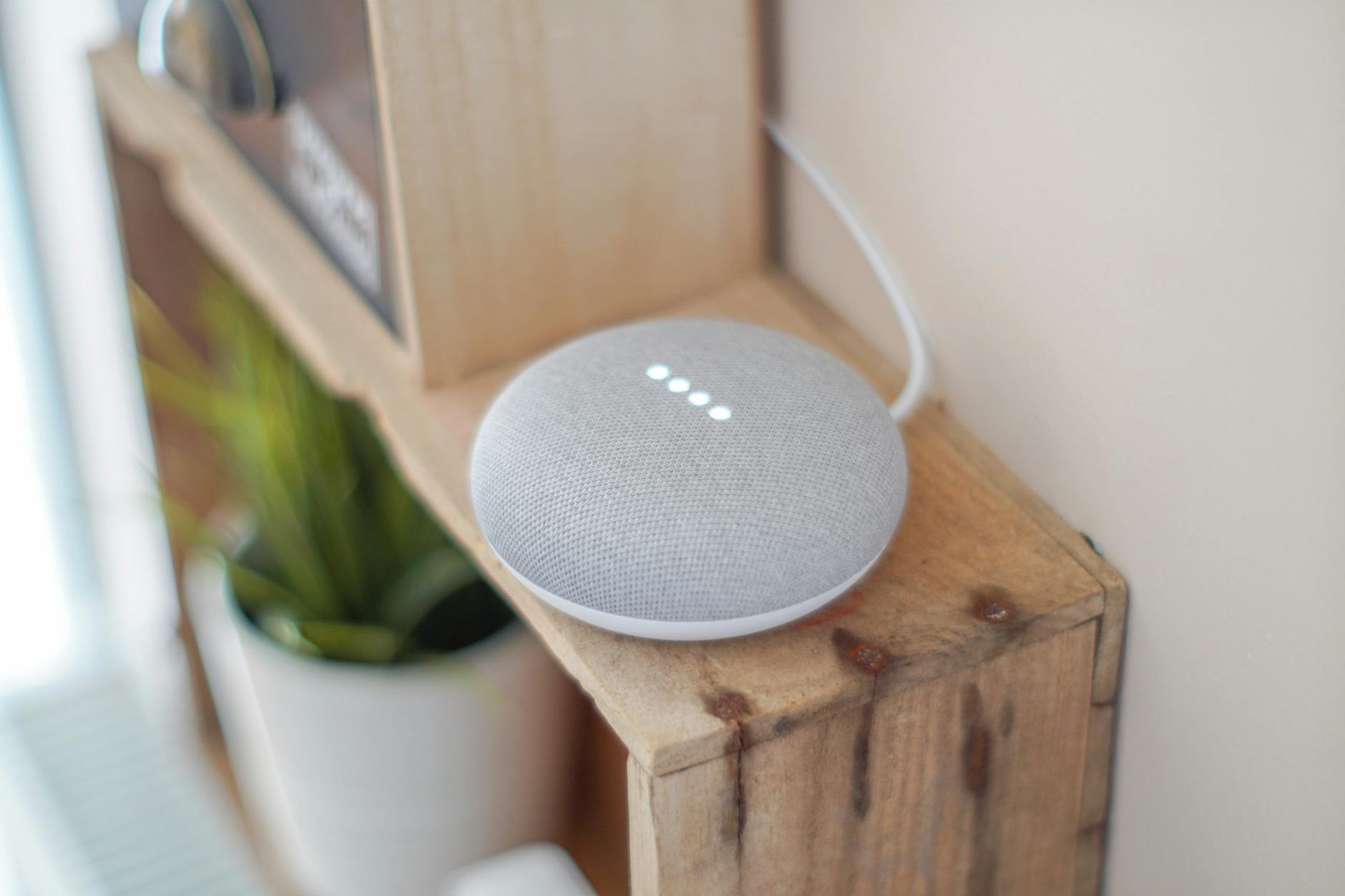
85% of smart devices will be Gemini-powered by 2028, as Google makes it easier for manufacturers to integrate the technology into their products, according to a recent Engadget report.
Google's Gemini Strategy
Google's push for Gemini adoption is part of a broader effort to create a more seamless and integrated smart home experience. With over 100 million smart devices already using Gemini, the company is well on its way to achieving its goal. However, as noted by Forbes, there are concerns about the potential risks and limitations of this technology, including strict usage caps and autonomous purchasing disclaimers.
Market Impact
- The global smart home market is expected to reach $146 billion by 2027, with Gemini-powered devices accounting for 60% of the market share.
- Google's Gemini expansion will likely lead to increased competition in the smart home market, with companies like Amazon and Apple investing heavily in their own smart home technologies.
"The future of smart homes is all about integration and seamlessness," said a Google spokesperson. "With Gemini, we're making it easier for manufacturers to create devices that work together seamlessly, and for consumers to control their smart homes with ease."
What the Sceptics Say
Some critics argue that Google's Gemini expansion is a attempt to monopolize the smart home market, and that the company's focus on integration and seamlessness may come at the cost of consumer choice and flexibility. As noted by Android Authority, the Google Play Store may soon warn users about dead Android apps on their phones, which could be a concern for consumers who value app diversity.
What This Means for the Industry
Google's Gemini expansion will likely have a significant impact on the smart home industry, with companies like Amazon, Apple, and Samsung responding with their own smart home technologies. In the next 6-12 months, we can expect to see a surge in Gemini-powered devices, as well as increased investment in smart home research and development. The trend is also connected to the current discussion on blocks, language, and company valuations, as seen on Hacker News, where users are discussing the potential implications of blocks and language models on the tech industry.
Key Takeaways
- Engineers: should focus on developing Gemini-powered devices that prioritize integration and seamlessness, while also considering the potential risks and limitations of the technology.
- Investors: should consider investing in companies that are developing Gemini-powered devices, as well as those that are working on competing smart home technologies.
- Business Leaders: should prioritize smart home integration and seamlessness in their product development strategies, while also considering the potential risks and limitations of Gemini technology.
- Consumers: should be aware of the potential risks and limitations of Gemini technology, and should prioritize devices that offer flexibility and choice.
For engineers, the next step is to start developing Gemini-powered devices that meet the strict usage caps and autonomous purchasing disclaimers set by Google. For investors, it's time to consider investing in companies that are developing competing smart home technologies. For business leaders, the focus should be on integrating Gemini-powered devices into their product development strategies, while also considering the potential risks and limitations of the technology.
Further Reading on AnalyticsGlobe
Sources
- Engadget: Google won't rest until Gemini is everywhere in your home
- Forbes: Google Announced Gemini Spark, But Left Out An Uncomfortable Warning
- Google Blog: Google Display Ads has a new home in Demand Gen
- Google Blog: Google Health brings your data into one place, on your terms
- Android Authority: Google Play Store could soon warn you about dead Android apps on your phone
This article is published by AnalyticsGlobe for informational purposes only. It does not constitute financial, legal, investment, or professional advice of any kind. यह लेख केवल जानकारी के उद्देश्य से प्रकाशित किया गया है — कोई भी निर्णय लेने से पहले आधिकारिक स्रोतों से पुष्टि करें।
Marcus Chen
Published under the research and editorial standards of AnalyticsGlobe. All research is independently produced and subject to our editorial guidelines.