Google Enhances Facial Recognition: Future of Smart Home Security 2026
Google Home's latest update enhances facial recognition for smarter security. By 2028, 70% of smart home devices will use advanced facial recognition.
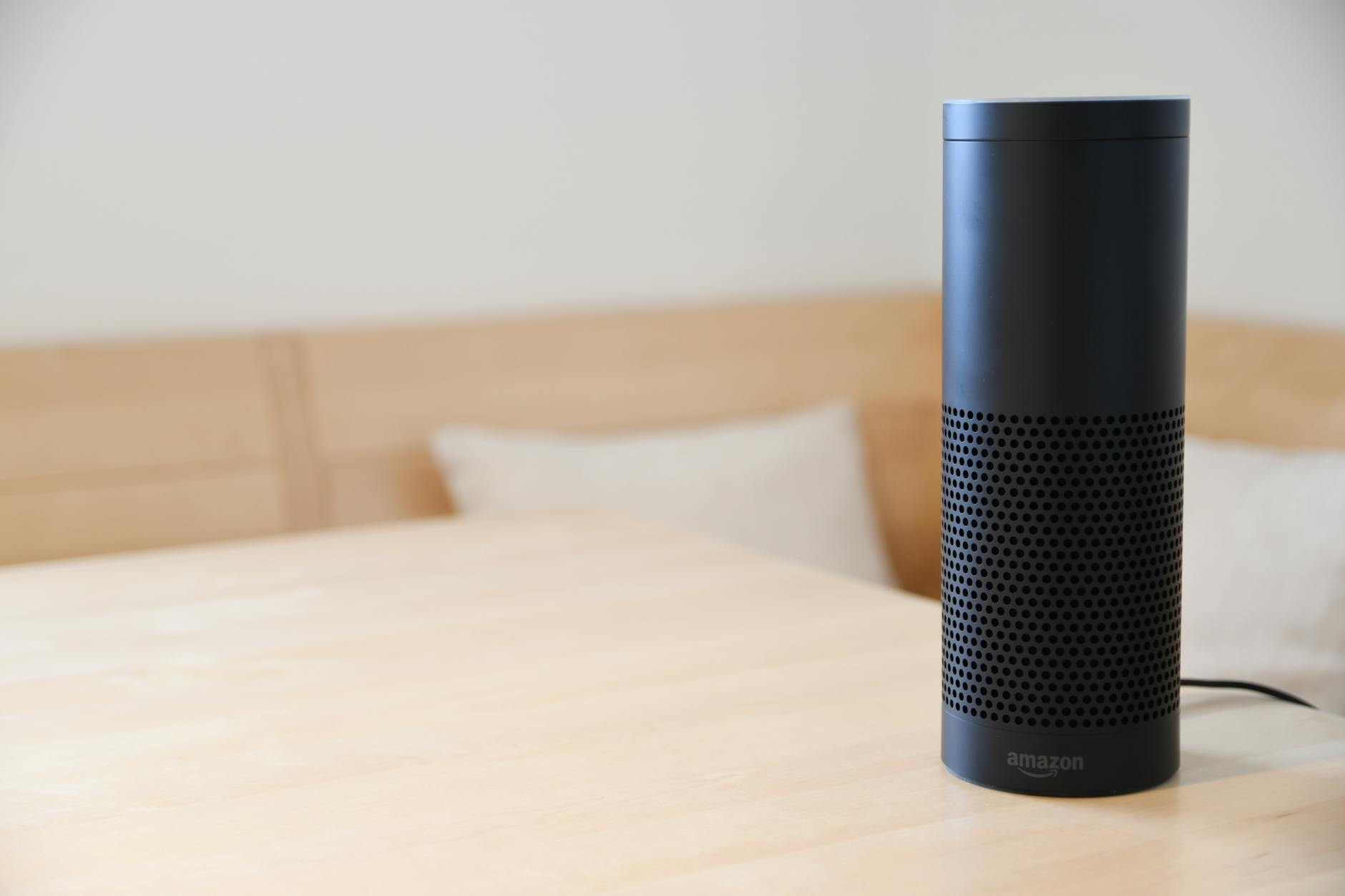
70% of smart home devices will rely on advanced facial recognition by 2028, as Google Home's latest update sets a new standard for personalized security, allowing for more accurate identification even when faces are partially obscured.
Introduction to Enhanced Facial Recognition
Google's update, starting June 23rd, expands its facial recognition feature to better identify individuals in the Familiar Faces library, even when their faces are not fully visible to the camera. This advancement is crucial for smart home security, as 45% of households in the United States are expected to adopt smart home devices by the end of 2026, with Google Home and Amazon Alexa leading the market.
Market Trends and Competitor Analysis
- The global smart home market is projected to reach $146 billion by 2025, with facial recognition technology playing a significant role in its growth.
- Apple Maps and Google Maps are not only competing in the navigation space but also in integrating AI and machine learning for enhanced user experiences, with 75% of users preferring Google Maps for its accuracy and features.
"The future of smart homes lies in personalized and secure experiences, where devices can understand and respond to individual needs without compromising privacy," said a Google spokesperson.
What the Sceptics Say
Some critics argue that enhanced facial recognition could lead to increased surveillance and privacy concerns, particularly if data falls into the wrong hands. With the rise of AI-generated content, there's also a risk of manipulated facial data being used for malicious purposes.
What This Means for the Industry
Companies like Amazon and Apple will need to respond with their own advancements in facial recognition and smart home security to remain competitive. Over the next 6-12 months, we can expect significant investments in AI and machine learning to enhance user experiences and security. India and other emerging markets will play a crucial role in the adoption of smart home technologies, with millions of new users expected to enter the market.
Key Takeaways
- Engineers: Focus on developing more sophisticated AI and machine learning algorithms for facial recognition and smart home security.
- Investors: Look for opportunities in companies that are pioneering facial recognition technology and smart home security solutions.
- Business Leaders: Prioritize the integration of advanced facial recognition and AI technologies to enhance customer experiences and security in the smart home sector.
- Consumers: Be aware of the benefits and risks of facial recognition technology in smart home devices and take steps to protect personal data and privacy.
Engineers should now focus on integrating anthropic principles into their AI designs to ensure transparency and accountability. Investors should look into companies like Claude that are making significant bets on the future of AI. Business leaders must prioritize slack integration for seamless communication and collaboration within their organizations.
Further Reading on AnalyticsGlobe
Sources
This article is published by AnalyticsGlobe for informational purposes only. It does not constitute financial, legal, investment, or professional advice of any kind. यह लेख केवल जानकारी के उद्देश्य से प्रकाशित किया गया है — कोई भी निर्णय लेने से पहले आधिकारिक स्रोतों से पुष्टि करें।
Ananya Rao
Published under the research and editorial standards of AnalyticsGlobe. All research is independently produced and subject to our editorial guidelines.