Fusion Tech Heats Up: $465M Raised for Microsoft Power Plant Ahead of 2026 Launch
Helion raises $465M to build a fusion power plant for Microsoft by 2028, marking a significant step in fusion tech development. This investment, part of a larger trend in clean energy, could lead to a cleaner, more efficient energy future.
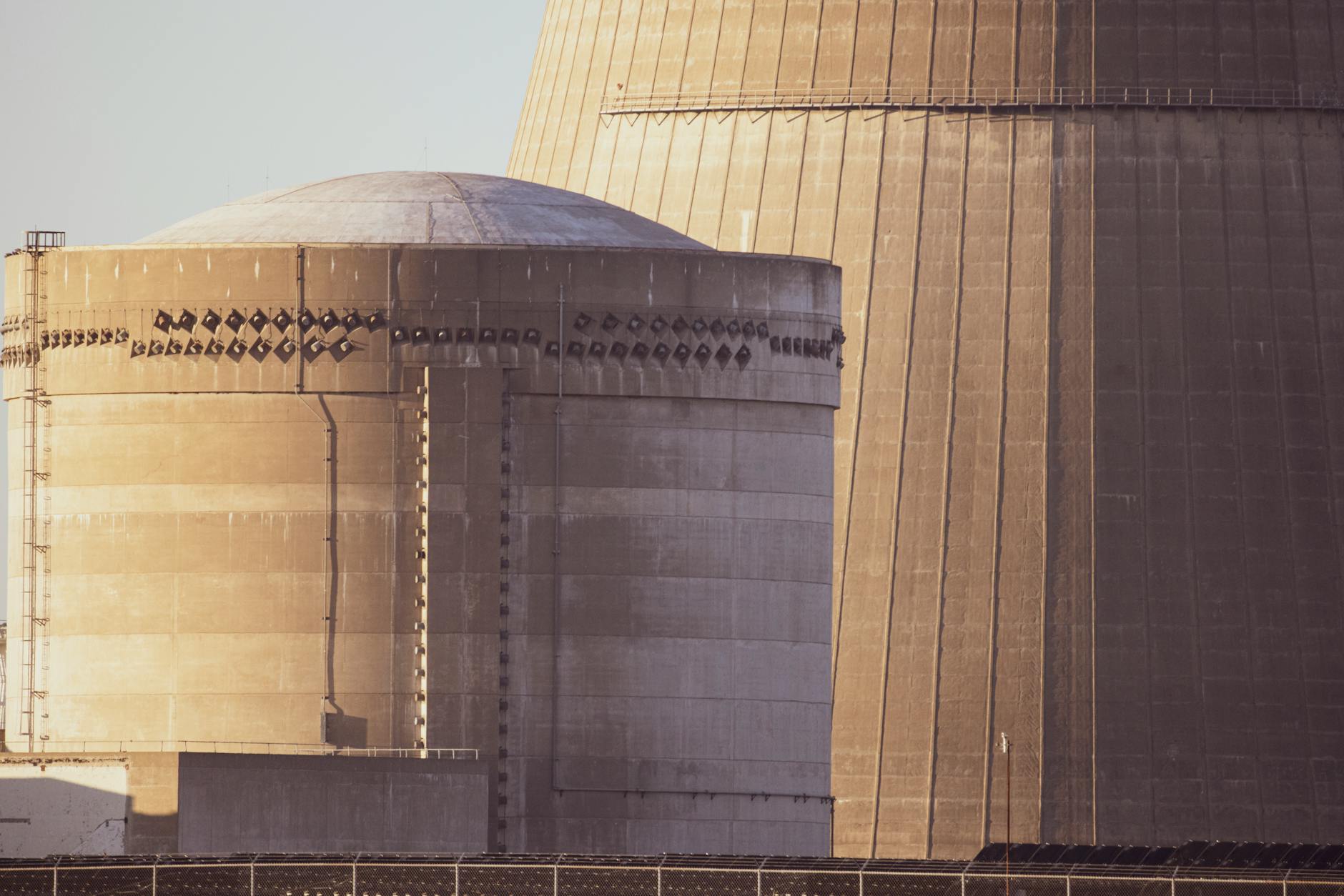
$465M has been raised by Helion to build a power plant for Microsoft by 2028, marking a significant step forward in the development of fusion technology. This funding, as reported by TechCrunch, underscores the growing interest and investment in alternative energy sources, particularly those powered by innovative technologies.
Context and Significance
The race to develop viable fusion technology has seen several players emerge, with Helion and .Focused Energy being notable examples. Focused Energy, for instance, has secured a whopping $240M Series A for its laser-powered fusion tech, as covered by TechCrunch. This surge in investment highlights the potential of fusion to revolutionize energy production, making it cleaner, more efficient, and open to widespread adoption.
Technological Advancements
- The development of fusion technology is closely tied to advancements in materials science, with companies like Layup Parts working on composite parts that can withstand the extreme conditions required for fusion reactions. Layup Parts has raised $42M to pursue this goal, as reported by TechCrunch.
"Fusion has the potential to be a game-changer in the energy sector, offering a nearly limitless supply of clean energy. However, significant technological hurdles must still be overcome," noted an expert in the field.
What the Sceptics Say
Despite the optimism surrounding fusion technology, sceptics argue that the challenges in achieving and sustaining fusion reactions are formidable. They point out that the process requires the creation of incredibly high temperatures and pressures, which is a complex and costly endeavor. Furthermore, the scalability and economic viability of fusion power plants are still unproven, making it a risky investment for some.
What This Means for the Industry
The investment in Helion and other fusion startups indicates a shift towards cleaner energy sources. Companies like Microsoft, which is partnering with Helion for a power plant, are taking proactive steps to reduce their carbon footprint. In the next 6-12 months, we can expect to see further advancements in fusion technology, with potential breakthroughs in materials science and reactor design. Other companies, such as Anthropic, are exploring the use of AI in fusion research, which could lead to significant efficiencies in the development process.
Key Takeaways
- Engineers: should focus on developing materials and technologies that can withstand the extreme conditions of fusion reactions, exploring open-source frameworks for collaborative research.
- Investors: should consider the long-term potential of fusion technology, looking beyond the current challenges to the potential for significant returns on investment in a clean energy future.
- Business Leaders: should assess how fusion technology can be integrated into their operations, reducing reliance on fossil fuels and enhancing their sustainability credentials.
- Consumers: can expect to see the benefits of fusion technology in the form of cleaner energy and potentially lower energy costs, as the technology becomes more mainstream and affordable.
Further Reading on AnalyticsGlobe
Sources
This article is published by AnalyticsGlobe for informational purposes only. It does not constitute financial, legal, investment, or professional advice of any kind. यह लेख केवल जानकारी के उद्देश्य से प्रकाशित किया गया है — कोई भी निर्णय लेने से पहले आधिकारिक स्रोतों से पुष्टि करें।
Priya Mehta
Published under the research and editorial standards of AnalyticsGlobe. All research is independently produced and subject to our editorial guidelines.