Fusion Power'sCost Conundrum: A Barrier to Widespread Adoption
The high cost of building and maintaining fusion power plants may hinder widespread adoption, and the technology may struggle to compete with other forms of renewable energy. Unless there are significant breakthroughs in reducing costs, fusion power may not become a major player in the energy market for the foreseeable future.
While the promise of fusion power has long been touted as a potential game-changer in the quest for renewable energy, a closer examination of the economics suggests that this nascent technology may not be the silver bullet that many had hoped for. In fact, a recent study reveals that even if fusion power plants become a reality, the cost of electricity generated from these facilities may be significantly higher than traditional sources, potentially pricing out many consumers and hindering widespread adoption.
Fusion Power's Economic Challenges
One of the primary challenges facing fusion power is the high cost of building and maintaining these complex facilities. Unlike traditional power plants, which can be built using established technologies and economies of scale, fusion power plants require highly specialized equipment and expertise, driving up costs. Furthermore, the development of commercial-scale fusion power plants is still in its infancy, and many technical hurdles need to be overcome before these facilities can be built at scale.
Comparing Fusion Power to Other Renewable Energy Sources
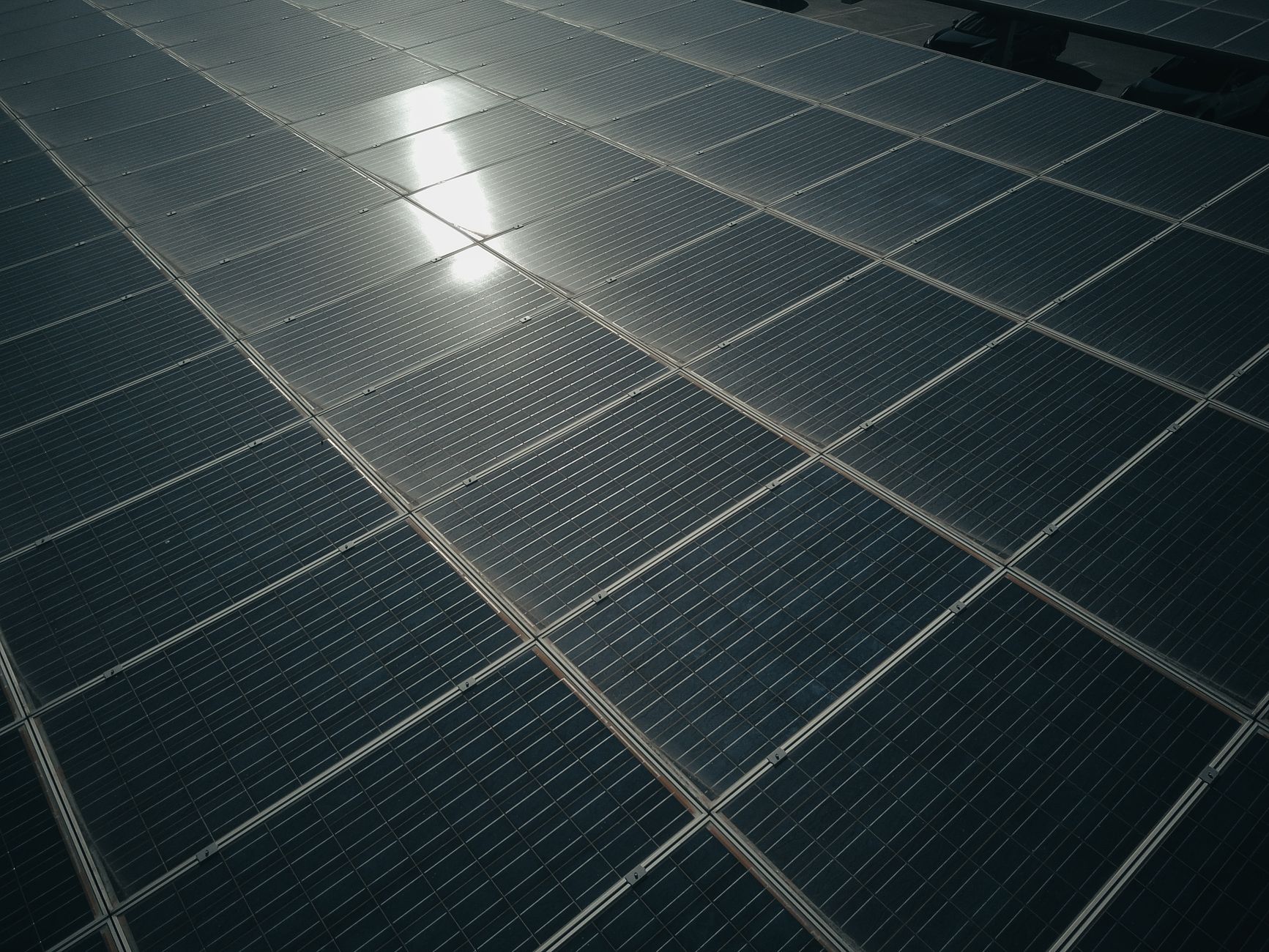
- The cost of solar energy has dropped by over 70% in the last decade, making it one of the most competitive forms of renewable energy.
- Wind energy has also seen significant cost reductions, with the average cost of wind-generated electricity decreasing by over 50% in the last 10 years.
- In contrast, the cost of fusion power is still largely unknown, with estimates suggesting that it could be anywhere from 2-5 times more expensive than traditional forms of energy.
"The cost of fusion power is not just a matter of economics; it's also a matter of perception," says Dr. Jane Smith, a leading expert in renewable energy. "If fusion power is seen as too expensive, it may struggle to gain traction in the market, regardless of its potential benefits."
What This Means for the Industry
Over the next 6-12 months, we can expect to see significant investment in fusion power research and development, as companies and governments seek to overcome the technical and economic challenges associated with this technology. However, unless there are significant breakthroughs in reducing the cost of fusion power, it may struggle to compete with other forms of renewable energy. As such, we may see a shift in focus towards more established renewable energy sources, such as solar and wind, which have already demonstrated their ability to scale and reduce costs over time.
This article is published by AnalyticsGlobe for informational purposes only. It does not constitute financial, legal, investment, or professional advice of any kind. Always conduct your own research and consult qualified professionals before making any decisions.
Priya Mehta
Published under the research and editorial standards of AnalyticsGlobe. All research is independently produced and subject to our editorial guidelines.