Fusion Power's Cost Conundrum Intensifies
The high cost of developing fusion power plants may hinder their adoption, despite their potential to provide zero-emissions energy, and the industry must navigate this cost conundrum to remain viable. The next 12 months will be crucial for the fusion power sector, with breakthroughs in reactor design and innovative financing models potentially determining the technology's long-term viability.
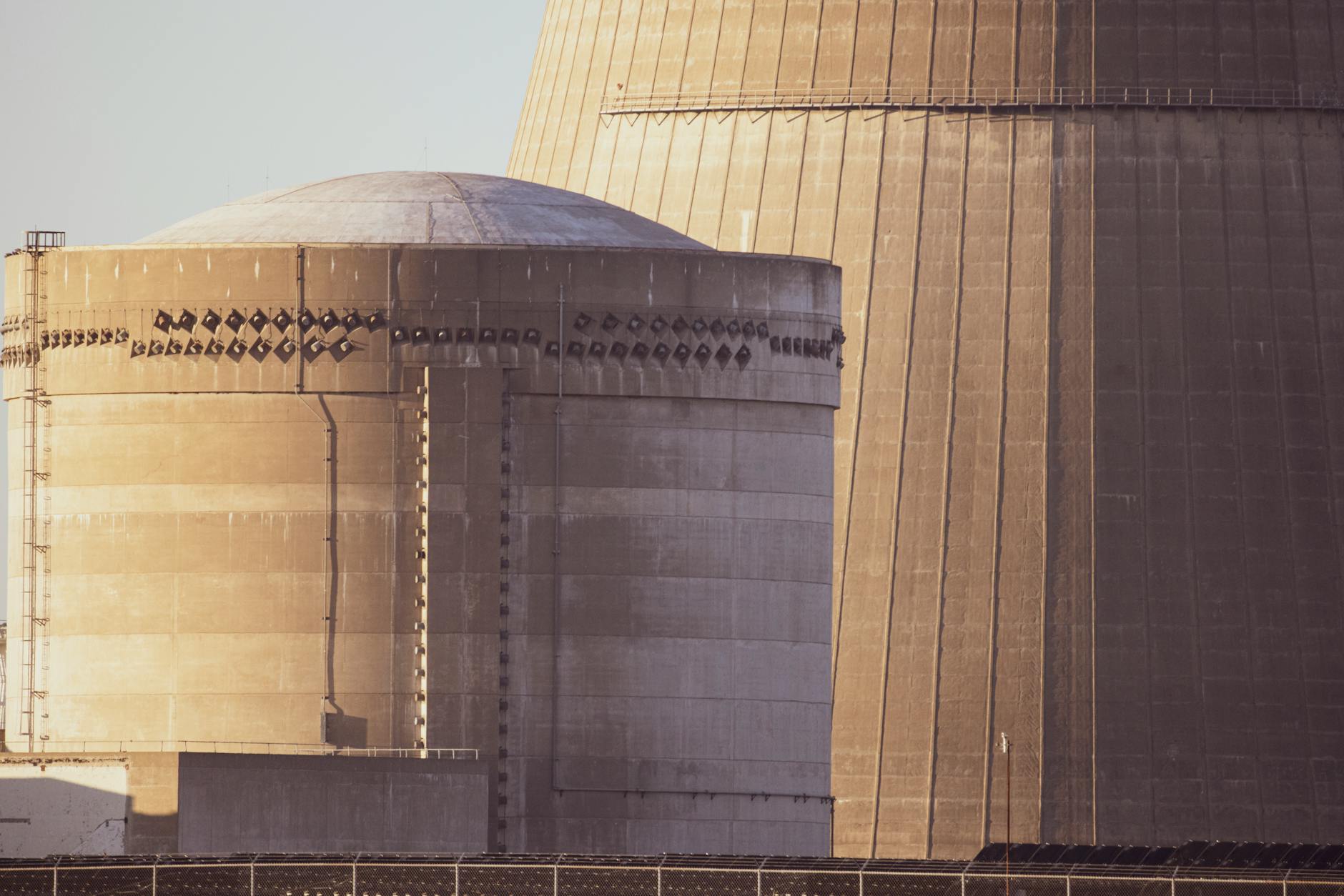
Despite the promise of zero-emissions energy, the economics of fusion power are becoming increasingly complicated, with a new study suggesting that even if the technology becomes viable, it may not be as affordable as once thought, potentially disrupting the global energy landscape and leaving investors wondering if the hefty price tag is worth the environmental benefits.
The Fusion Power Paradox
The allure of fusion power lies in its ability to provide a steady, zero-emissions source of electricity, a game-changer in the fight against climate change. However, the development of this technology has been marred by significant scientific and engineering hurdles, not to mention the substantial financial investments required to bring it to fruition. According to a recent study, even if these challenges are overcome, the cost of fusion power may remain prohibitively expensive, at least in the near term.
Historical Context and Market Analysis
Historically, the cost of emerging technologies tends to decrease over time, a phenomenon observed in the development of lithium-ion batteries, which have seen a 90% reduction in cost. However, the complexity and the scale of fusion power plants suggest that this technology may not follow the same cost reduction curve. The global fusion power market, projected to reach $40.5 billion by 2027, is expected to be dominated by a handful of key players, including Lockheed Martin and General Fusion, which are racing to develop the first commercially viable fusion reactors.
- The global energy demand is expected to increase by 30% by 2040, with renewable energy sources accounting for 60% of the growth.
- Fusion power, if successfully developed, could potentially capture a significant share of this growing market, especially in regions with high energy demand and stringent environmental regulations.
- Competing technologies, such as advanced nuclear power and solar energy, are also vying for market share, making the cost competitiveness of fusion power critical to its adoption.
"The cost of fusion power is a critical factor that will determine its viability in the energy market. While the long-term benefits are undeniable, the short-term costs and the competition from other renewable energy sources will pose significant challenges," said Dr. Maria Zuber, a leading expert in energy policy.
What This Means for the Industry
Over the next 6-12 months, the fusion power industry is likely to see significant developments, with several key players expected to announce breakthroughs in their reactor designs. However, the cost conundrum will remain a major hurdle, with investors and policymakers closely watching the progress. The industry may need to explore innovative financing models and partnerships to support the development of fusion power, potentially leading to a new wave of investments in clean energy technologies. As the world continues to grapple with the challenges of climate change, the future of fusion power will be a critical indicator of our ability to innovate and adopt new, sustainable energy solutions.
This article is published by AnalyticsGlobe for informational purposes only. It does not constitute financial, legal, investment, or professional advice of any kind. Always conduct your own research and consult qualified professionals before making any decisions.
Ananya Rao
Published under the research and editorial standards of AnalyticsGlobe. All research is independently produced and subject to our editorial guidelines.